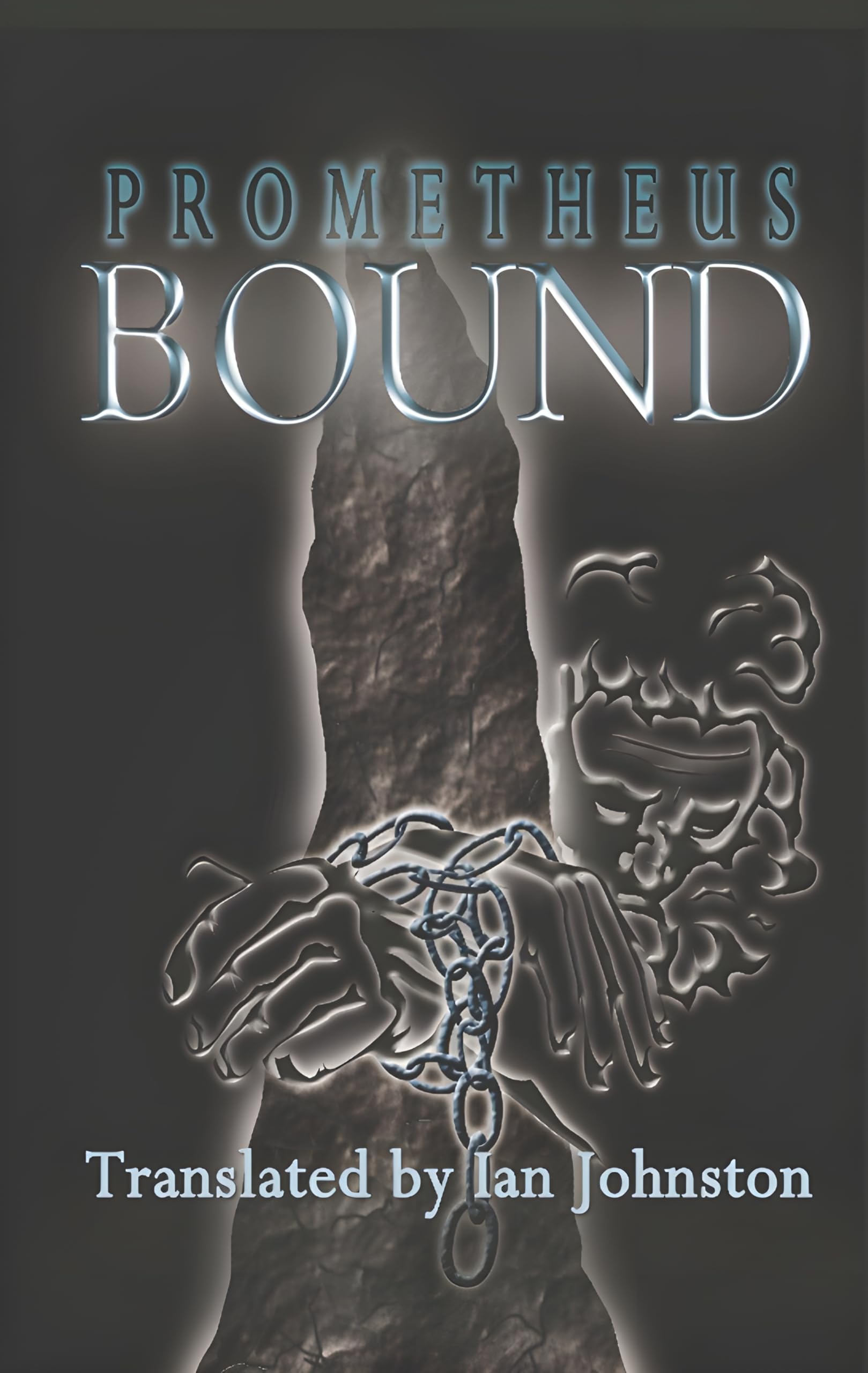



Prometheus Bound, a tragedy traditionally attributed to the famous Athenian playwright Aeschylus (c. 525 BC – c. 456 BC) is the most famous dramatic depiction of one of the most important mythic figures among the ancient Greeks. Prometheus, a Titan, one of the family of deities preceding Zeus, helped Zeus overthrow his father, Cronos, and usher in the rule of the Olympian gods. However, when Prometheus stole fire from heaven and gave it to human beings, Zeus turned against him. In addition, Prometheus had learned of a secret that would lead to Zeus’ downfall. In order to extract this secret, Zeus decides to inflict a horrific punishment of Prometheus. However, the Titan will not give way and vows to defy Zeus by not revealing his secret, no matter what the cost. Aeschylus’ play, apparently the first in a trilogy (the other two plays are lost), depicts the beginning of Prometheus’ long punishment and is famous for the way it expresses the Titan’s unflinching defiance and emphasizes the harsh tyranny of Zeus’ new rule in heaven (not merely by what happens to Prometheus). These two qualities help to define a characteristically tragic Greek heroic attitude to suffering and divine rule, something very much at odds, as Friedrich Nietzsche pointed out, with the important Biblical founding myth of Adam and Eve. Ian Johnston’s new translation is an accurate and dramatically vivid version of this famous work. The text contains explanatory footnotes for readers who need assistance with the mythic and geographical references. "These new dramatic releases provide us once again with that powerful and direct style of translation for which Professor Johnston has become known. Students reading these translations will have no doubt of the passion and issues raised by the plays." --Princeton Professor Emerita.Elaine Fantham Aeschylus (c. 525–456 BCE) is often called the Father of Tragedy. The earliest of the three great Greek tragedians, he transformed Greek drama by introducing multiple actors, complex dialogue, and profound moral and theological themes. His surviving works, including *The Oresteia* trilogy, *Prometheus Bound*, and *The Persians*, explore justice, fate, and divine law. Aeschylus’ influence shaped the structure and spirit of Western theatre and literature for centuries to come. Ian Johnston was born in Valaparaiso, Chile, and educated in Canada and England. He has a BSc from McGill in Geology and Chemistry, a BA from Bristol in English and Greek, and an MA from Toronto in English. For many years he taught as a college and university-college instructor in British Columbia teaching English, Classics and Liberal Studies. He is the author of The Ironies of War: An Introduction to Homer's Iliad. His translation of Homer's Iliad and Odyssey have recently been published in both book and audiobook form. He is now retired and living in Nanaimo, British Columbia. OWER: We have just reached the land of Scythia, at the most distant limits of the world, remote and inaccessible. Hephaestus, now it is your duty to carry out those orders you received from Father Zeus—to nail this troublemaker firmly down against these high, steep cliffs, shackling him in adamantine chains that will not break.