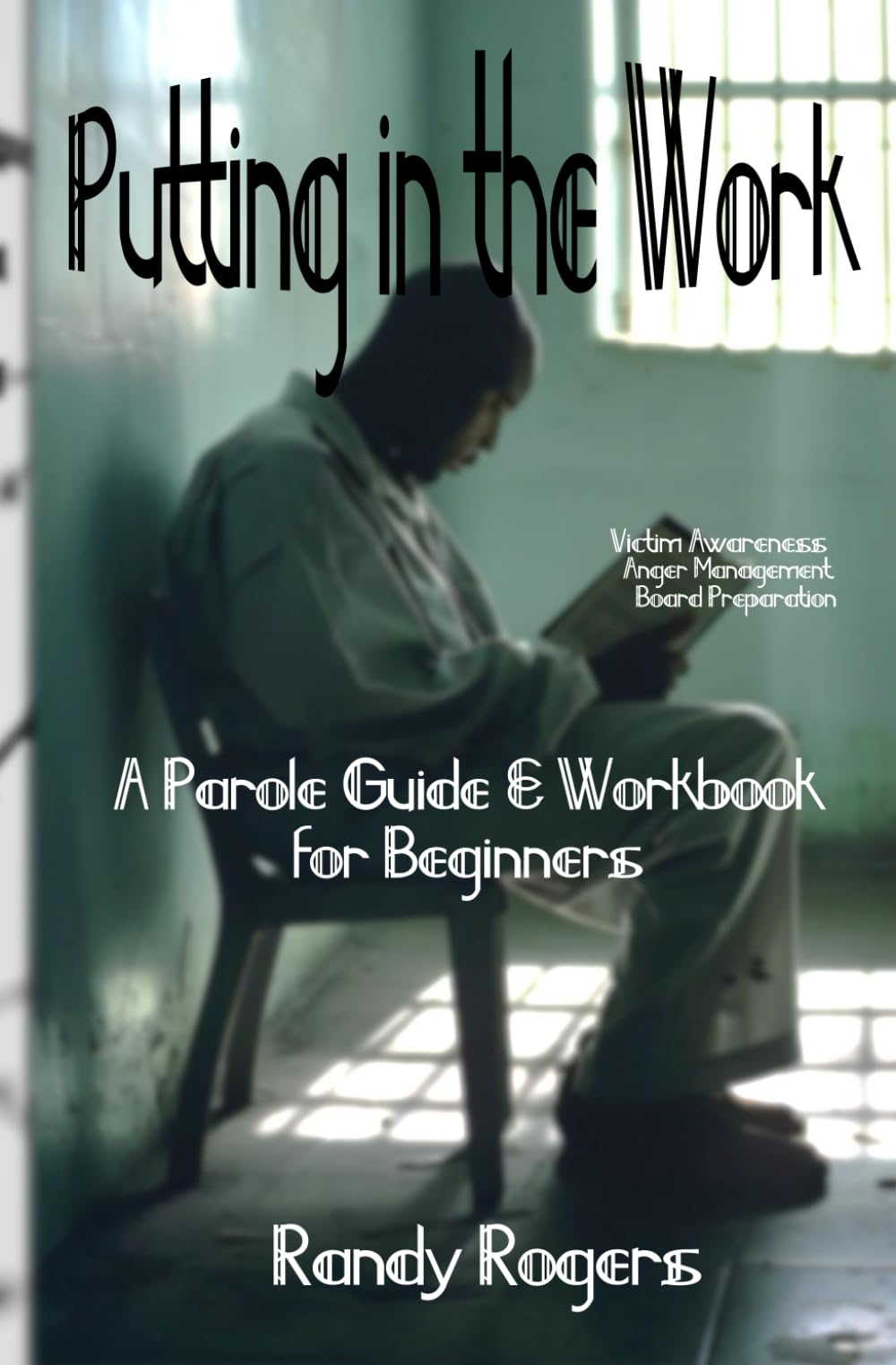



Author Randy Rogers, who is currently incarcerated at Solano State Prison, Vacaville, California, has put in the work for incarcerated people in this book. While his information isn’t a blueprint to “getting out”, it is a template to a new way of thinking. Domestic violence, and alcohol and drug addiction are the top two reasons lifers go back to prison, and by sharing his journey with others, Rogers gives hope where it is needed to change negative consequences into positive. Rogers sees a lack of empathy inside prison, and believes in order to find it, people have to start with one’s self, but it takes a lot of work; more work than it took to get convicted. The overall goal of his guide goes beyond being released, because the incarcerated reader will no longer think the same, and by living their amends, they will find empathy for others, and earn their freedom. Parole boards want to know that those seeking parole can identify, address, and have coping strategies in place, so the next time a situation makes them think or feel something negative, they are prepared to respond appropriately. In this workbook you will learn how to be free from the cycle of abuse and addiction, and for those who don’t have access to mock board hearings and parole packets, it can be used as a guide to gain a sense of direction in challenging old ways of thinking. Maya Angelou said, “When we know better, we do better.” Now with Rogers’ guidance, those seeking a new and positive way will know better. “It is not possible to commit a violent crime against someone while having empathy for them.” – Randy Rogers