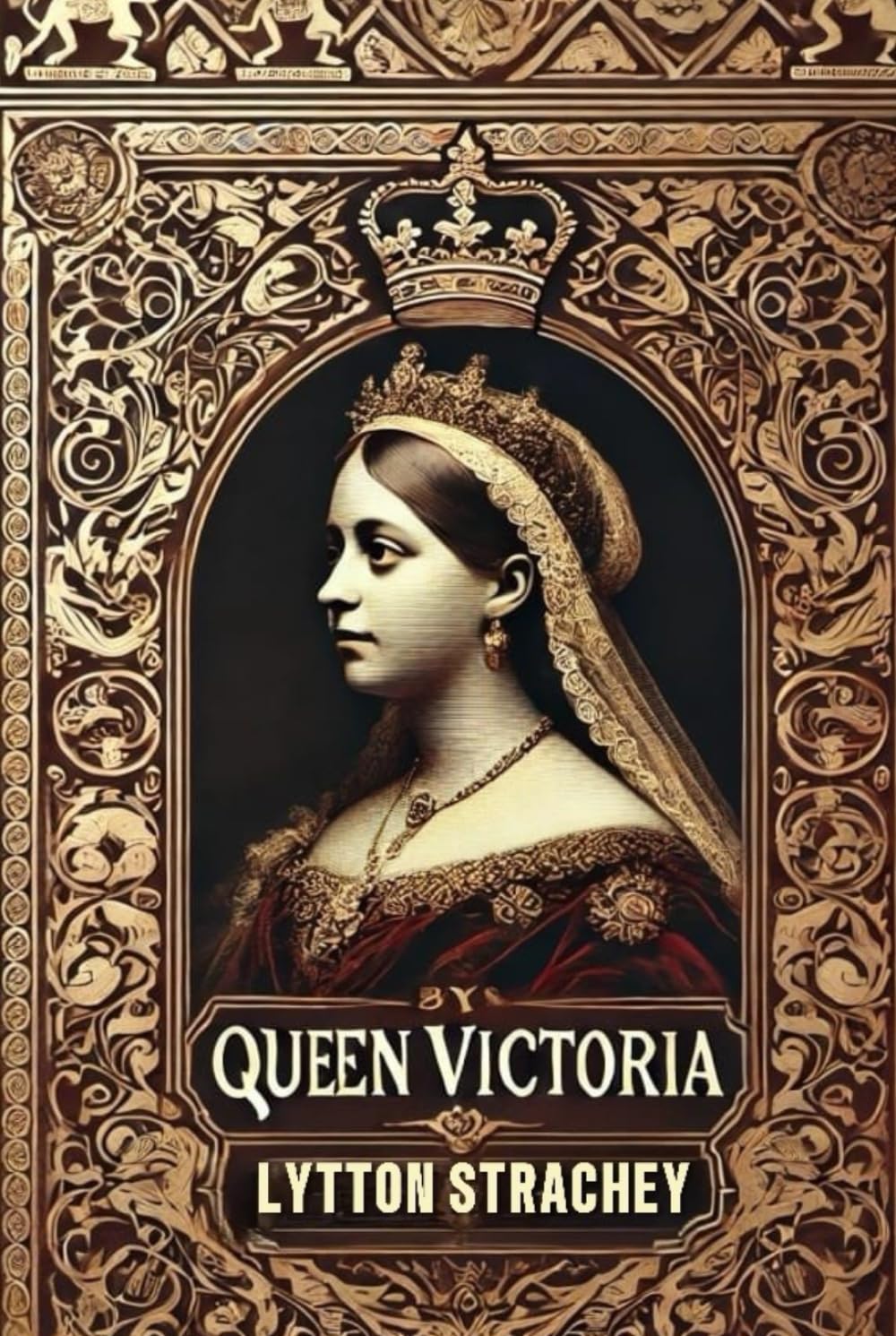



Queen Victoria by Lytton Strachey is a compelling biography that provides an in-depth exploration of one of Britain’s most influential monarchs. First published in 1921, the book offers a richly detailed portrait of Queen Victoria, tracing her life from her early years as a sheltered princess to her six-decade reign over an expanding British Empire. Strachey, a key figure of the Bloomsbury Group, revolutionized historical biography by combining scholarly research with vivid storytelling, psychological insight, and subtle wit. The biography begins with Victoria’s childhood under the strict influence of her mother, the Duchess of Kent, and her ambitious advisor, Sir John Conroy. Raised in relative isolation under the "Kensington System," Victoria was carefully prepared for the throne. Her accession at the age of 18 marked the beginning of a new era, ending years of Hanoverian excess and reestablishing public confidence in the monarchy. Strachey examines Victoria’s transformation from a young, inexperienced queen into a formidable ruler. A central focus of the book is her marriage to Prince Albert, whom she deeply loved and relied upon as a trusted advisor. Their partnership not only shaped Victoria’s personal life but also influenced British politics and social reforms. Albert’s early death in 1861 plunged Victoria into prolonged mourning, during which she withdrew from public life, fueling criticism and political unrest. The biography also explores Victoria’s relationships with her prime ministers, including Lord Melbourne, whom she admired in her youth; Benjamin Disraeli, who flattered and charmed her; and William Gladstone, whose moralizing approach often frustrated her. These interactions highlight Victoria’s evolving role in government as she balanced personal preferences with the constitutional limits of her power. Strachey does not shy away from addressing the complexities of Victoria’s character—her stubbornness, emotional intensity, and strong sense of duty. He also examines her role in the expansion of the British Empire, including her title as Empress of India, and how she navigated an era of industrialization, political reform, and global influence. Blending historical analysis with vivid characterization, Queen Victoria presents a nuanced and humanizing portrait of a monarch who defined an era. Strachey’s engaging narrative style and sharp psychological insight make the book an enduring classic, offering readers both a detailed historical account and an intimate look at the personal life of Britain’s longest-reigning queen until the 20th century.