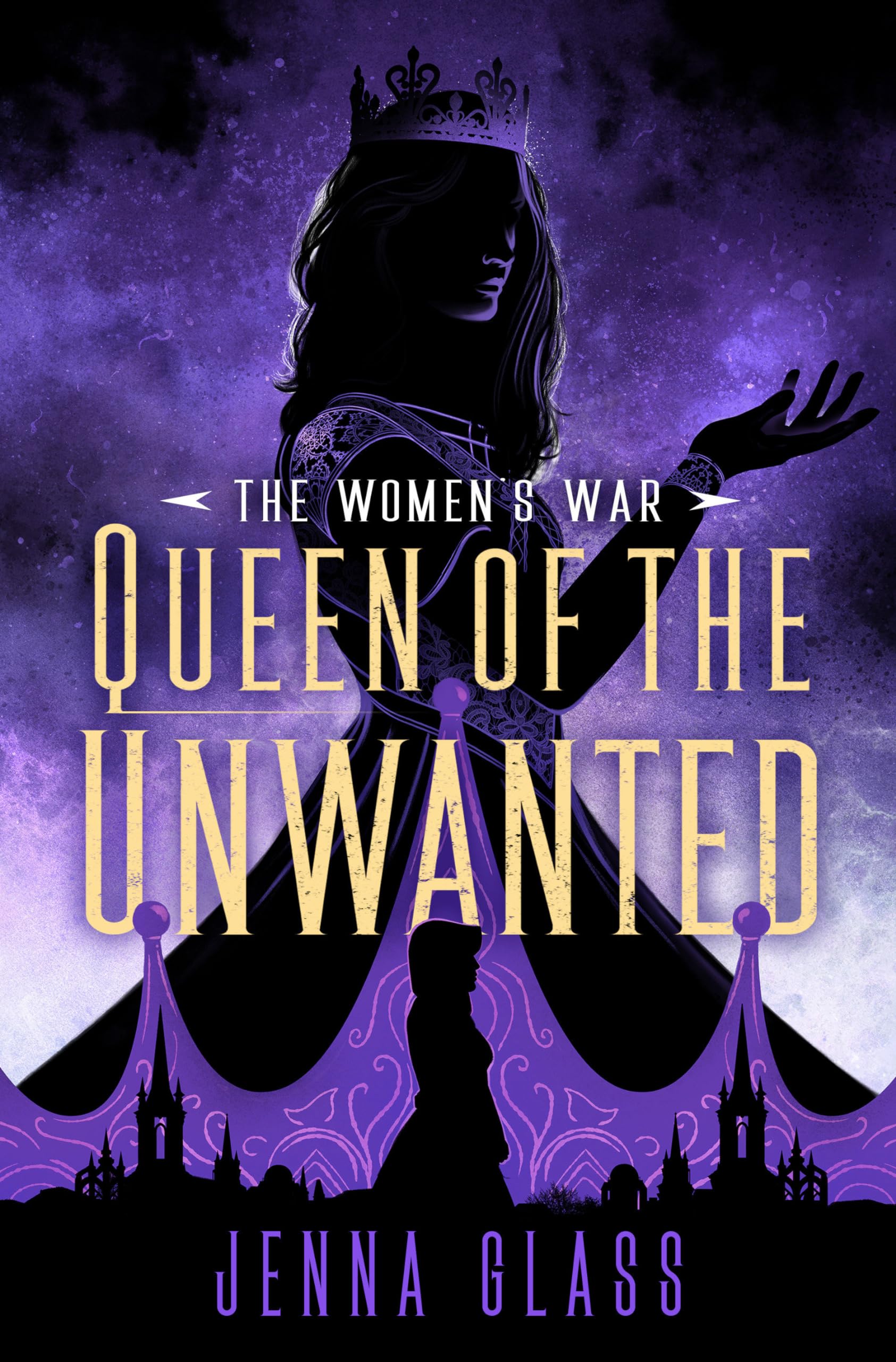



In the riveting sequel to the feminist fantasy epic The Women's War, the ability to do magic has given women control over their own bodies. But as the patriarchy starts to fall, they must now learn to rule as women, not men. Alys may be the acknowledged queen of Women’s Well—the fledgling colony where women hold equal status with men—but she cares little for politics in the wake of an appalling personal tragedy. It is grief that drives her now. But the world continues to turn. In a distant realm unused to female rulers, Ellin struggles to maintain control. Meanwhile, the king of the island nation of Khalpar recruits an abbess who he thinks holds the key to reversing the spell that Alys’s mother gave her life to create. And back in Women’s Well, Alys’s own half brother is determined to bring her to heel. Unless these women can come together and embrace the true nature of female power, everything they have struggled to achieve may be at risk. Praise for The Women’s War “An epic fantasy for the #MeToo era . . . It is refreshing to see women becoming heroes in a world that wishes to keep them muzzled. . . . While feminist science fiction and fantasy books have been around for decades—see Octavia Butler, Ursula K. Le Guin and Anne McCaffrey—tales that reflect recent feminist movements like #MeToo are an essential next step.” — The New York Times Book Review “The interconnected story lines, excellent pacing, and heart-wrenching ending will have readers clamoring for the next book.” — Booklist (starred review) “Stands out as both social commentary on contemporary issues of bodily autonomy, gender, and social power and as feminist retribution fantasy, made manifest through an appealing epic fantasy setting and grounded in a carefully designed magic system.” — Publishers Weekly (starred review) “I am very here for this book . . . the first in what’s sure to be an incredible series.” — SyFyWire “A blend of the traditional Western European epic fantasy and the birth control revolution of the 1960s, The Women’s War takes the reader on a journey toward revolution. . . . A fascinating and entertaining read, and a welcome addition to the world of epic fantasy.” — New York Journal of Books “A compulsive read, riveting characters, life-or-death stakes . . . a smashing book!” —Tamora Pierce “Gloriously paced, plotted, and constructed with such elegance that it ceases to feel like a story and begins to feel like the truth.” —Seanan McGuire “ The Women’s War is #MeToo and #Resistance and #ProChoice through the lens of epic fantasy. Read it.” —Nicola Griffith Jenna Glass made her foray into epic fantasy with The Women’s War , but she wrote her first book—an “autobiography”—in the fifth grade. She began writing in earnest in college and proceeded to collect a dizzying array of rejections for her first seventeen novels. Nevertheless, she persisted, and her eighteenth novel became her first commercial sale. Within a few years, Glass became a full-time writer, and she has never looked back. She has published more than twenty novels under various names. Chapter One From the moment he’d seen the results of his aptitude testing at the age of thirteen, Jalzarnin Rah-Griffolm had set his sights on one day being named the Lord High Priest of Khalpar, and he had never for a moment doubted his destiny. He had been appointed to the office and joined the royal council at the respectable age of forty-five, and the king had favored him with several land grants and titles that he had not even thought to hope for. No life was without its setbacks and disappointments, but Jalzarnin knew he’d suffered far fewer than most. He could almost hear his late father railing at him, urging him to be satisfied with what he had. Lord Griffolm had even gone so far as to accuse his son of impiety for his outsized ambition. But though he suspected there had been at least a kernel of truth in his father’s accusation—Jalzarnin was admittedly not the most pious man to have held the office of lord high priest—he was not especially inclined to curb that ambition. Which was what brought him here to the anteroom of the king’s private study, when a more prudent man—some might even say a wiser man—would keep a safe distance from a monarch who had a distressing habit of replacing members of his royal council with little to no provocation. He paced anxiously, awaiting permission to enter as his father’s voice continued to whisper discouragement into his ear. Given that the king was so apt to dismiss members of his royal council, Jalzarnin could never rest secure, unlike the lord high priests who had come before him. If he sat back and enjoyed the privileges of being on the council, he might all too easily find that seat pulled out from under him. There were plenty of other ambitious priests eager for his position. The study door opened, and the king’s personal secretary stepped out. “His Majesty will see you now,” he said wit