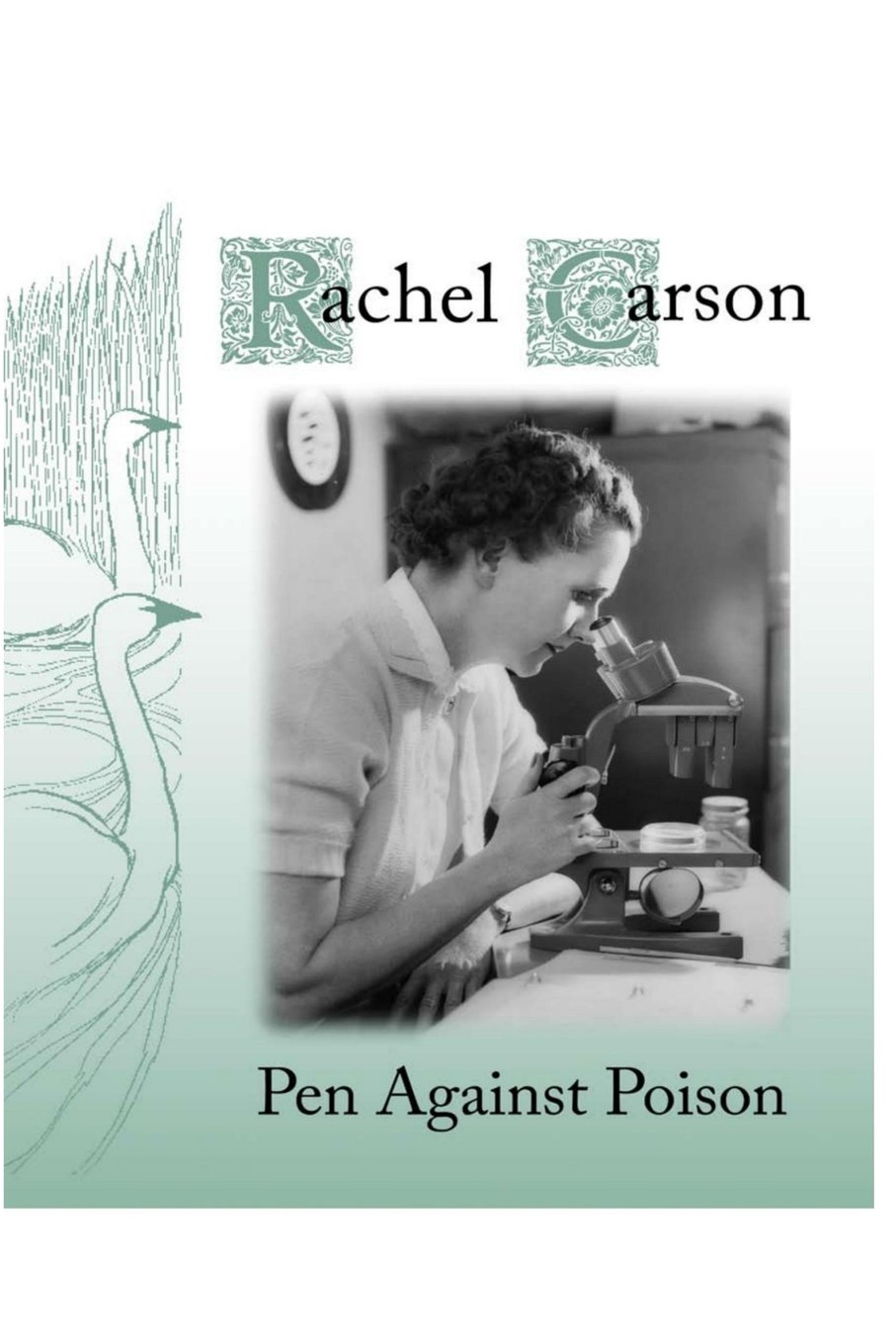



The Life and Legacy of Rachel Carson May 27, 2007 marked the 100th anniversary of the birth of Rachel Carson, one of the world’s foremost leaders in conservation. Her work as an educator, scientist and writer revolutionized America’s interest in environmental issues. Whether it was her passion for the oceans and coasts, her inspiration as one of the first female scientists and government leaders, or her overall footprint on the history of conservation, her legacy is certainly one to be honored and celebrated. The Beginning of a Legacy Carson's distinction in writing and biology led to a job with the U.S. Bureau of Fisheries (now the U.S. Fish and Wildlife Service) in 1936. She created a series of seven-minute radio spots on marine life called “Romance Under the Waters.” During her 15-year career with the Service, she also wrote numerous pamphlets and bulletins on conservation, one of the most well-known a series called Conservation in Action – devoted to exploring wildlife and ecology on national wildlife refuges. Meanwhile, she continued to submit writings on conservation and nature to newspapers and magazines, urging people to regulate the “forces of destruction” and consider always the welfare of the “fish as well as that of the fisherman.”During her free time, Carson wrote books about her government research. The Books Her first book, Under the Sea-Wind was published in 1941, and highlighted her unique ability to present deeply intricate scientific material in clear poetic language that captivated readers and sparked their interest in the natural world. The Sea Around Us was published in 1951 and remained on the New York Times ’ best-seller list for 81 weeks. The success of her second book prompted Carson to resign her position with the Service in 1952 to devote all her time to writing. The Sea Around Us along with The Edge of the Sea , a third book published in 1956, provided a new perspective on conservation to concerned environmentalists. An Environmental Revolution Her final book, Silent Spring , published in 1962, awakened society to its responsibility to other forms of life. Carson had long been aware of the dangers of chemical pesticides and also the controversy within the agricultural community. She had long hoped someone else would publish an expose' on DDT but eventually realized that only she had the background as well as the economic freedom to do it. Silent Spring provoked a firestorm of controversy as well as attacks on Carson’s professional integrity. The pesticide industry mounted a massive campaign to discredit Carson even though she did not urge the complete banning of pesticides but called for research to ensure pesticides were used safely and to find alternatives to dangerous chemicals such as DDT. The federal government, however, ordered a complete review of pesticide policy and Carson was asked to testify before a Congressional committee. As a direct result of that review, DDT was banned. With the publication of Silent Spring , Carson is credited with launching the contemporary environmental movement and awakening concern by Americans about the environment. Carson once said that "man's endeavors to control nature by his powers to alter and to destroy would inevitably evolve into a war against himself, a war he would lose unless he came to terms with nature." She died from cancer in 1964 at the age of 57. The U.S. Fish and Wildlife Service named one of its refuges near Carson's summer home on the coast of Maine as the Rachel Carson National Wildlife Refuge in 1969 to honor the memory of this extraordinary woman. Pen Against Poison is a collection of the tributes selected from U.S. Government publications in honor of her 100th birthday.