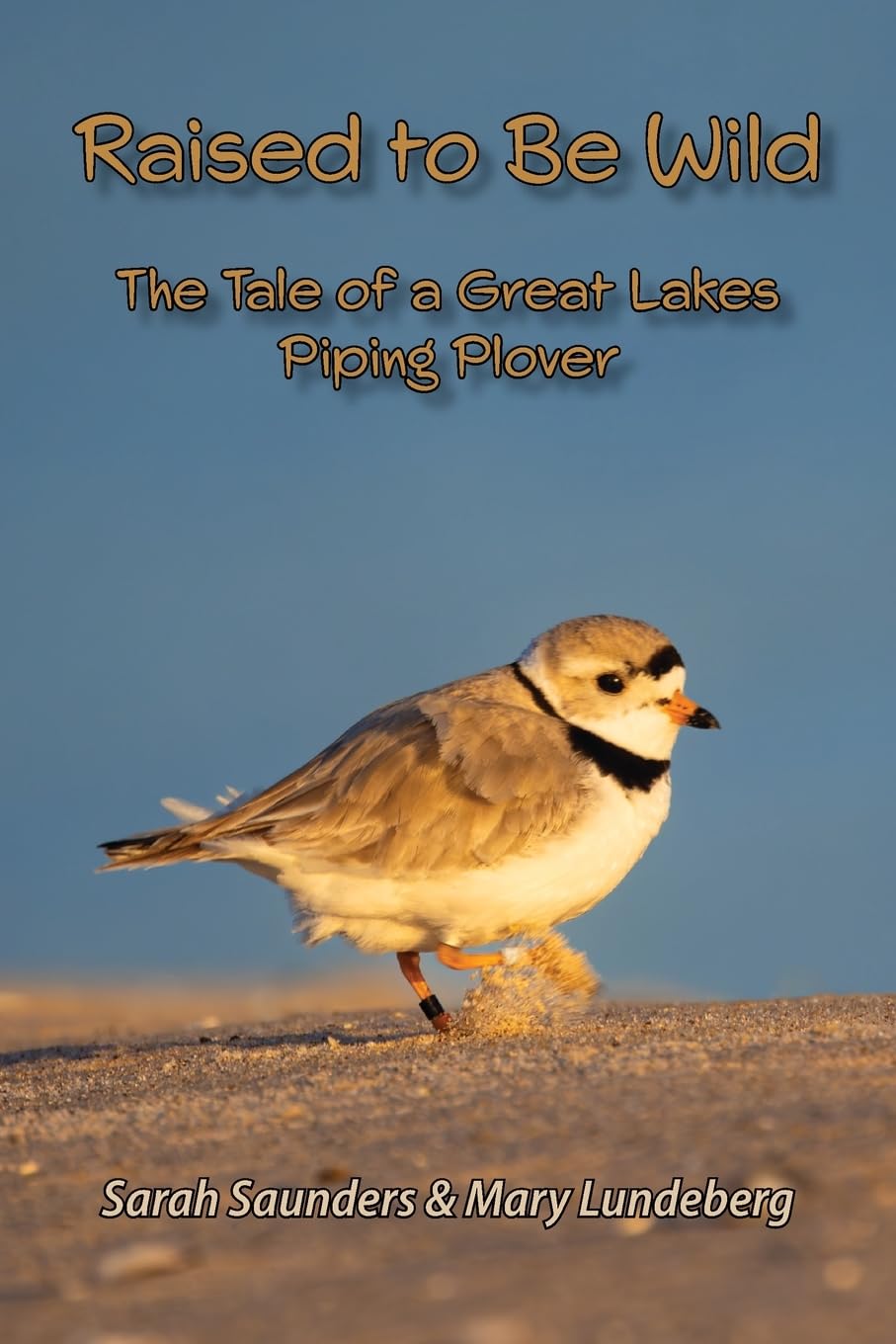



Along the shores of the Great Lakes, hidden in the pebble-covered sand, a tiny, big-eyed bird makes its nest on the beach. Meet the piping plover, a robin-sized shorebird named for its sweet, musical call. The Great Lakes piping plover population is endangered. In the 1980s, the population had dwindled to just 12 pairs. But the population has grown thanks to the hard work of researchers and biologists on the Great Lakes Piping Plover Conservation Team. One key strategy to helping the population recover has been raising chicks in captivity and releasing them near wild plovers before their first migration south for the winter. This story is inspired by "Little Cooper," a captive-reared piping plover who lived for eight years, migrating from Michigan to Florida and back, fathering many chicks. The book takes you on a journey with another plover, "BroBob," from his egg rescue to his adventures as a parent. The unique contributions of several Conservation Team members are also highlighted, showing how their actions make a difference in BroBob's life. Today, because of the efforts of the Great Lakes Piping Plover Conservation Team, the population has increased to over 81 pairs, which breed along all five Great Lakes. This amazing comeback story shows that with dedication, we can save endangered birds and continue sharing our shores with them. "In their gripping and highly-informative book, Drs. Sarah Saunders and Mary Lunderberg tell of the painstaking efforts to bring the Great Lakes Piping Plovers back from the brink of extinction. We are introduced to a small army of dedicated scientists and field biologists who worked tirelessly, focusing on salvaging every Piping Plover egg, raising chicks in captivity, and releasing them back into the wild. As we follow the journey of salvaged eggs turned into captive-reared chicks, we learn of the many challenges Piping Plovers continue to face.Striking photographs provide a fascinating window into the world of Piping Plover conservation. This book affords readers, including children, adults and Piping Plover monitors an in-depth, easy-to-read and emotionally-intelligent perspective into the journey of captive-reared chicks and their success in the wild. Perhaps the greatest benefit of this book will be in sparking interest and passion in young readers following the peripeties of Piping Plovers from egg to adult, attracting them to the shores of the Great Lakes and inspiring a new generation of girls and boys to pursue careers in ornithology and field biology. " Tamima Itani, Lead Volunteer Coordinator, Chicago Piping Plovers, author of Monty and Rose Nest at Montrose and Monty and Rose Return to Montrose. Sarah received her doctorate from the University of Minnesota, where she studied Great Lakes piping plovers with her advisor, Francie Cuthbert. Since high school, Sarah knew she wanted to be a conservation biologist, and in graduate school she was especially interested in working with endangered species. After studying Francie's work with plovers, she knew she found her scientific calling. Sarah spent six summers leading the field banding crew and fell in love with the work - despite the very early mornings, lots of time in the car traveling to far-flung nesting locations, and months away from her cat "Piper" (named, of course, after the piping plovers). Now, as a scientist at Audubon, she investigates a range of important questions to help conserve many bird species, but she'll always have a special place in her heart for Great Lakes piping plovers. Sarah resides in Michigan, so she continues to contribute to piping plover recovery efforts by helping to band and monitor as needed during the summer. "Once you spend time with piping plovers, you stay involved in any way you can and never look back," she says. After nearly 15 years immersed in the plover world, Sarah is excited to spend the next 15 immersing her son in the wonder of piping plover conservation work as well. Mary is a former Professor and Chair of the Education Department at Michigan State University, who holds degrees in K-12 teaching and educational psychology. She has authored several books and is also an award-winning nature photographer having traveled the globe to study and photograph wildlife, particularly the nurturing behavior of animals with their young. Mary has dedicated her life to conservation through nature writing, photography, and teaching. Mary grew up in Chicago, but lived most of her life in Minnesota, Wisconsin, and Michigan, exploring the outdoors and kayaking whenever possible. The North American Nature Photography Association awarded Mary a prestigious Philip Hyde Conservation Grant for her work in protecting nesting shorebirds, work also recognized by The Florida Shorebird Alliance, the FWC: Florida Fish and Wildlife Conservation Commission, Conservation Foundation of the Gulf Coast and South County Healthy Living. Now Mary spends her summers in Michigan, involved as a Plover A