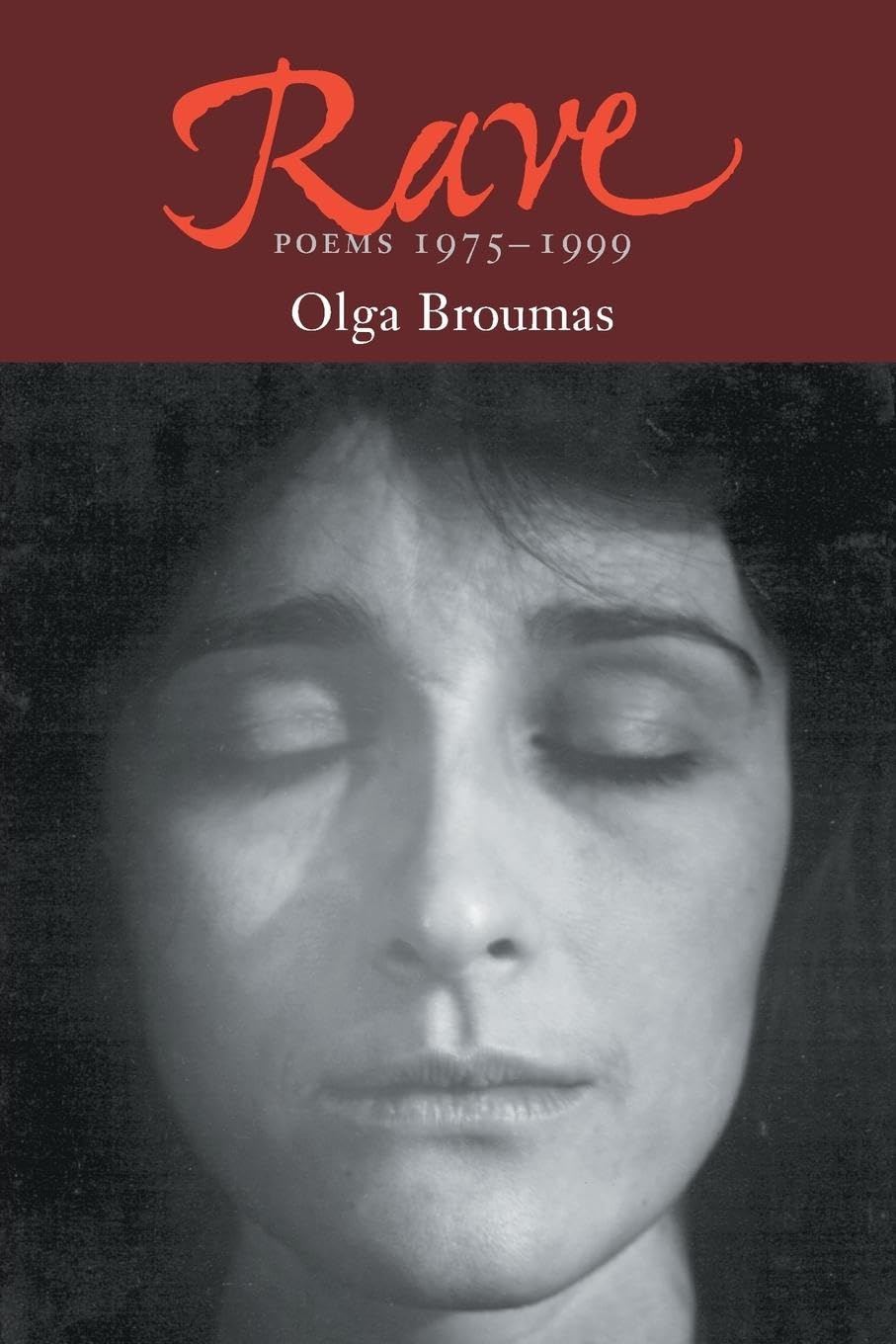



The Choir I walk and I rest while the eyes of my dead look through my own, inaudible hosannas greet the panorama charged serene and almost ultraviolet with so much witness. Holy the sea, the palpitating membrane divided into dazzling fields and whaledark by the sun. Holy the dark, pierced by late revelers and dawnbirds, the garbage truck suspended in shy light, the oystershell and crushed clam of the driveway, the dahlia pressed like lotus on its open palm. Holy the handmade and created side by side, the sapphire of their marriage, green flies and shit in condums in the crabshell rinsed by the buzzing tide. Holy the light-- the poison ivy livid in its glare, the gypsy moths festooning the pine barrens, the mating monarch butterflies between the chic boutiques. The mermaids handprint on the artificial reef. Holy the we, cast in the mermaid's image, smooth crotch of mystery and scale, inscrutable until divulged by god and sex into its gender, every touch a secret intercourse with angels as we walk proffered and taken. Their great wings batter the air, our retinas bloom silver spots like beacons. Better than silicone or graphite flesh absorbs the shock of the divine crash-landing. I roll my eyes back, skylights brushed by plumage of detail, the unrehearsed and minuscule, the anecdotal midnight themes of the carbon sea where we are joined: zinnia, tomato, garlic wreaths crowning the compost heap. Elegy Somebody left the world last night, I felt it so, last minute, last half-breath before the storm that hit all night last night drew back. Midmorning windows streaked with mud like sides of ears. How long the journey? Sails, the windowpanes the black thick tarp that kept the woodpile. Dry Southern wind, in minutes clothes bone-hard, clamped to the line. Clouds heaving in. The sky, the sky, who did arrive to kiss the eye behind the windswept sheet? Who was it, solo no longer, shy and desirous to be clean? What song arose, what crust between the lids spat and forgot? I woke, my fingers in my eyes "I live within the ancient tradition," writes Judevine Mountain, the hermitic Vermont sage in whose guise the poet narrates his spare, lyrical meditations. The tradition is that of Han Shan and Lao Tzu, whereby one exiles oneself from society in order "to live in solitude and stillness, to see the world with clear and simple eyes." Problem is, society is ever-present in the mind, and the poet must continually confront the contradictions between his pure ideals and his crass desires ("Struggle/ is what it means/ to be alive and free"). The poetry of rural isolation can be hard to separate from naturalist note-taking, but Budbill's uncertainty and self-consciousness within this mountain paradise lend the poems a recognizable immediacy and honesty, accompanied by an endearing wit: "The true hermit/ answers the phone/ on the first ring." While Budbill's economical, brush-stroke approach may sometimes enshrine the obvious or slip into slightness, his work by and large evinces a hard-won clarity, a pure, human tone among the many portentous self-advertisements and stridencies so often heard in poetry these days. He "gives [his] soul to [his] senses," and the gift is ours as well.AFred Muratori, Cornell Univ. Lib., Ithaca, N.-- soul to [his] senses," and the gift is ours as well.AFred Muratori, Cornell Univ. Lib., Ithaca, NY Copyright 1999 Reed Business Information, Inc. "Broumas has always been a poet of light, sea, and air." -- American Book Review Used Book in Good Condition