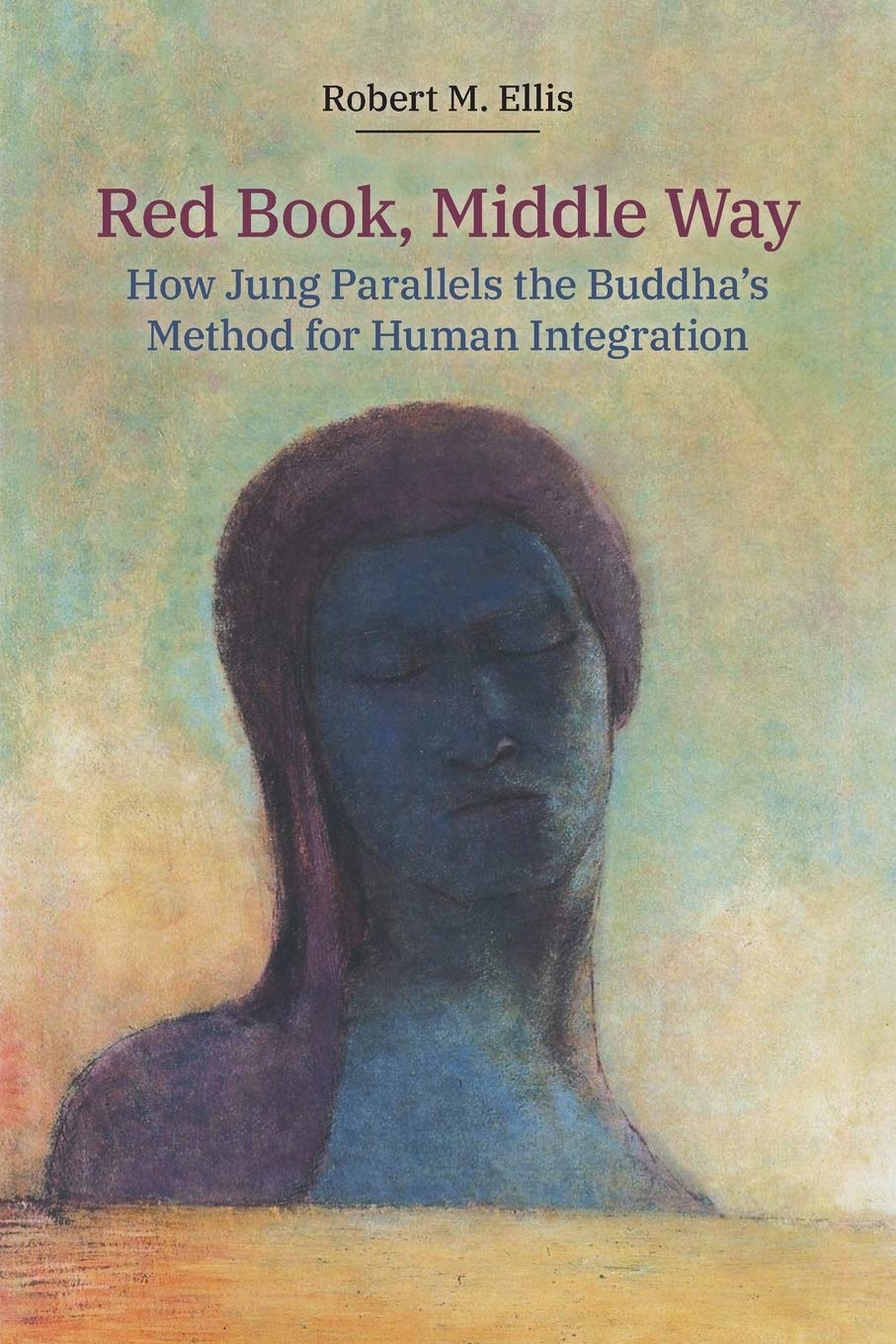



Jung's Red Book, finally published only in 2009, is a highly ambiguous text describing a succession of extraordinary visions, together with Jung's interpretation of them. Red Book, Middle Way offers a new interpretation of Jung's Red Book, in terms of the Middle Way, as a universal principle and embodied ethic, paralleled both in the Buddha's teachings and elsewhere. Jung explicitly discusses the Middle Way in the Red Book (although this has been largely ignored by scholars so far) as well as offering lots of material that can be understood in its terms. This book interprets the Red Book in relation to the archetypes met in its visions - the hero, the feminine, the Shadow, God and Christ, and follows Jung's process of integrating these different internal figures. To do this Jung needs to find the Middle Way between absolutes at every point, in a way similar to the Buddha. Pre-publication Reviews An interesting and unusual take on Jung's Red Book , that helps us to see how the Red Book may be pertinent to both the detailed issues of our own life and the existential territory that we must all pass through. It has caused me to think deeply and at times furiously. Ian Rees, Psychotherapist, Annwn Foundation Drawing on parallels with more recent psychological and neurological research, this is bound to be of huge interest to scholars, psychologists and those interested in what it has to say about spirituality. This lucidly written book will also be of interest to those wanting an introduction to or wanting to navigate their own way through Jung's multi-layered text. Graham Mummery, poet and transpersonal psychotherapist, and author of Meeting My Inners Robert M. Ellis is the founder of the Middle Way Society and author of a range of books on Middle Way Philosophy, both within and beyond Buddhism. These include The Christian Middle Way (Christian Alternative, 2018) and The Buddha's Middle Way: Experiential Judgement in his Life and Teaching (Equinox Publishing, 2019). He has a PhD in Philosophy and a Cambridge BA in Oriental Studies and Theology. He has taught in many different contexts, and was formerly a member of the Triratna Buddhist Order.