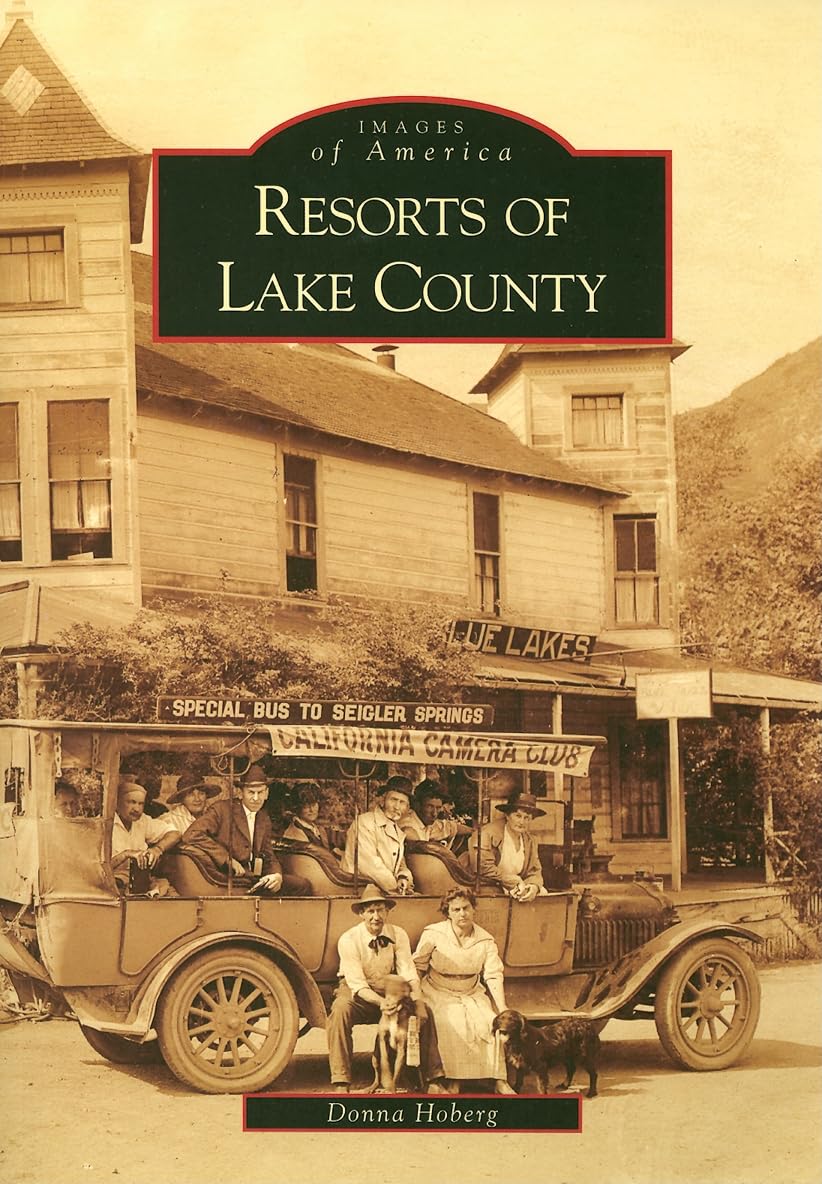



Beginning in the 1860s, the first vestiges of the resorts of Lake County appeared around the sparkling pools of the region's many hot springs and upon the shores of Clear Lake. Lured by the supposed medicinal qualities of the water, people flocked to rustic campgrounds and cabins to "take the cure" for their ailments, drink, and bathe, staying for long periods each summer. Within a few years, ambitious entrepreneurs bottled the springs' mineral waters and built more luxurious accommodations and amenities. Although the claims of curative waters lost sway over time, resorts equipped with extensive recreational facilities, dance floors, live music, bountiful food, hunting, fishing, and children's entertainment continued to draw visitors in droves. Families filled the resorts in summers, and by the 1940s, large group and society meetings as well as conventions began to utilize the resorts on spring and fall weekends. Though few original resorts remain, today, in 2007, the region's business directory lists 51 Lake County resorts. Title: Burbank Snoozed Under Lake Stars Author: Lee Torliatt Publisher: Sanoma Historian Date: June 2008 Resorts of Lake County, by Donna Hoberg, Arcadia Publishing, 128 pages, $19.99. George Washington may never have slept there, but Luther Burbank definitely took a snooze or two in Lake County. The mineral springs of Lake County became an attraction for vacationers from Sonoma County and elsewhere as early as the 1860s and the fun continued well into the 1950s. One of the most popular places was Hoberg's, founded by Gustav and Mathilde Hoberg late in the 19th century. Donna Hoberg, wife of Don Hoberg, does a good job of mixing pictures and text to show how the Man, resorts of the area developed. She notes that Burbank, Santa Rosa's famed plant wizard, got away from the hustle and bustle of Sonoma County several times in the 1920s, staying in what was known as the Spring cabin with his wife and niece. Mrs. Hoberg has been a resident of Santa Rosa the past 20 years. Things did not always go well for resorts at the Lake. The spacious Witter Hotel, built for $250,000 in 1906, suffered financial tremors after the San Francisco earthquake and was sold for $15,000 ten years later. Shades of our foreclosure headaches of the 21st century. Hoberg's, a destination for many residents of Sonoma County and the Bay Area, fared better. Governor Earl Warren, movie star Lee Carrillo and World War II hero Hap Arnold of Sonoma joined in the fun. Name bandleaders included Freddy Martin, Xavier Cugat (with vivacious Abbe Lane) and Tommy Dorsey; singer Tennessee Ernie Ford dropped by to sing "Sixteen Tons" and playa round of golf or two. Sal Carson and his orches-18 tra regularly provided dancing under the stars after World War II. Ozzie Couithart, with frequent blasts from his trumpet, is remembered as being the "resort character," acting as a combination emcee and recreation director--Lee Torliatt Author Diane Smith Joins SCHS Board The Sonoma County Historical Society is happy to report that Diane Moll Smith recently joined the SCHS board. Diane, curator of the Depot Park Museum in Sonoma, has taken on many tasks, keeping the history of early Sonoma County's most famous city very much alive. A few years ago, she collaborated with Valerie Sherer Mathes, history professor emeritus from City College of San Francisco, to do the Arcadia Press Images ofAmerica photo book Sonoma Valley. The book covers the area thoroughly, giving substantial attention to the development of agriculture. Dairies dotted the early valley landscape and the vineyards were doing well until the phylloxera infestation of 1874. The threat to the wine crop triggered a major planting of fruit trees, including cherries, pears, apples, figs, prunes and citrus. Innovative animal breeders took their act to the swimming pool in 1946. For the Western States Turkey Show, the Boyes Springs swimming pool was emptied and used to exhibit the birds. Sonoma wasn't near a major lake or ocean but resort life developed early in the 20th century. Located on the NWP rail line, the Agua Caliente Hotel stressed the medicinal properties of its mineral hot springs in the 1920s. Boyes Hot Springs drew vacationers from near and far. Some 70,000 bathers arrived in 1918, testing the hot mineral baths. Noted director Alfred Hitchcock operated farther west but Sonoma Valley got its touch of movie glamour. Leo Carrillo, "The Cisco Kid," whipped up the crowd riding his horse in the 1946 celebration of the Bear Rag Centennial. A few years earlier, the cast of the movie Sea Wolf, based on Jack London's novel, showed up for the premiere of the film at Sebastiani Theatre. The cast included Edward G. Robinson, Jane Wyman, John Garfield, Priscilla Lane and future president Ronald Reagan. The book, 128 pages, is available at the Depot Museum and in bookstores at $19.99. Author Donna Hoberg, a longtime Lake County residen