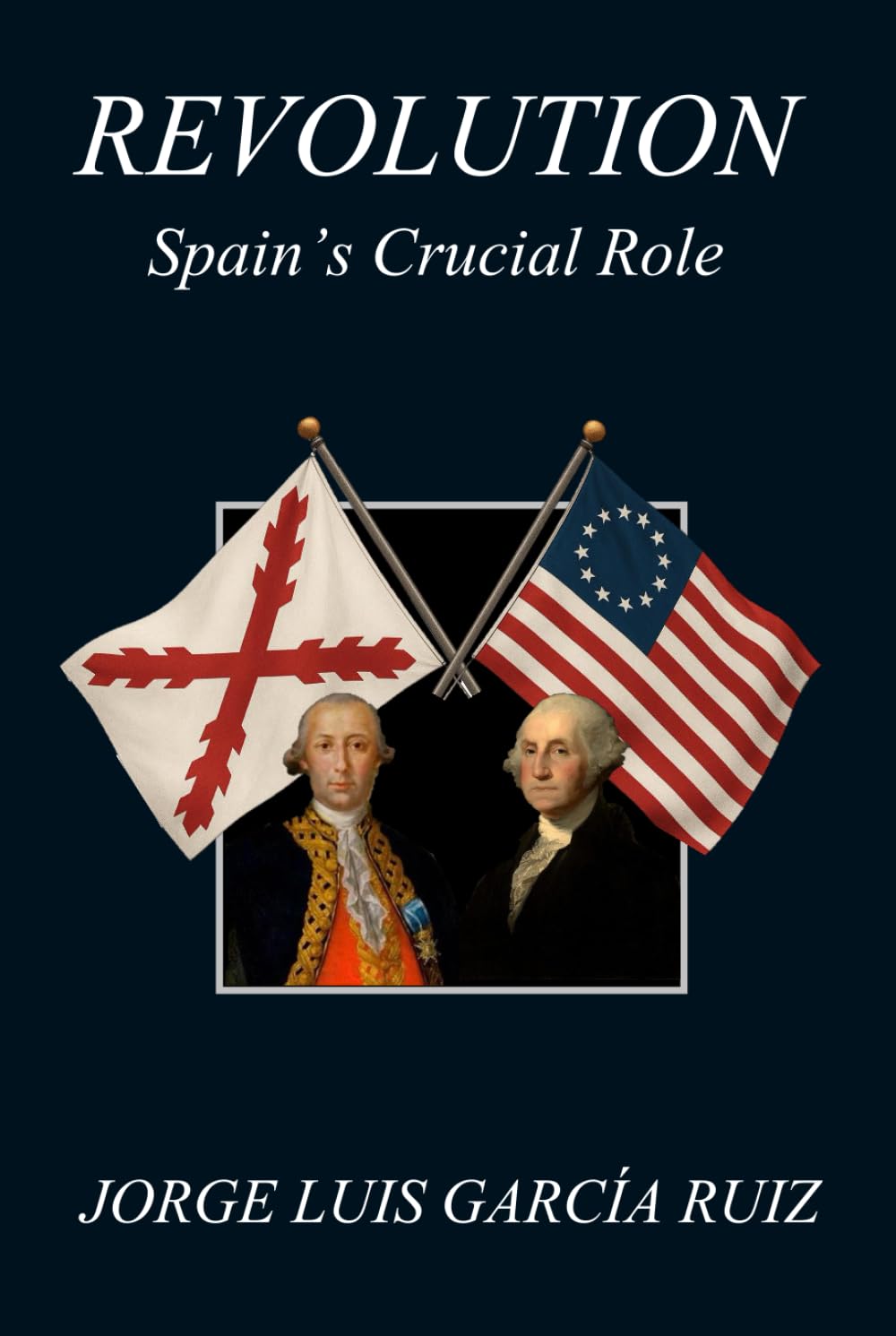



In 2026 , we commemorate the 250th anniversary of the Declaration of Independence of the United States . On July 4, 1776 , the declaration was signed, and from that moment a slow and painful struggle began that would last for seven years. Copies of the declaration were sent to Spain and France , not so much to obtain recognition of the new country as to secure indispensable assistance , without which the most powerful army and navy of the time would have crushed the rebellion without mercy. France plunged in headfirst, believing it could take revenge on England after its defeat in the Seven Years’ War . However, the French needed a reliable military force, since neither their navy nor their army was a match for the Royal Navy or the British army. For that reason, France dragged Spain into a new war against England. What was initially conceived as limited assistance—a purely financial contribution to keep the Revolution alive—turned into long-term involvement that left Spain exhausted. Its consequences would manifest years later in the disintegration of the Spanish Empire, the loss of the viceroyalties, the Napoleonic invasion, and, ultimately, the country’s economic collapse. Spanish assistance to the Independence was of such importance and magnitude that what is truly difficult is to understand how it could have been concealed for 250 years . The American historiography, has managed, systematically and with notable success, to obscure Spain’s role in its War of Independence, despite it having been the most significant aid it received. Much of what has been written to date, by both Spanish and American authors, ventures into the realm of the mystical, making the separation of legend from reality an added difficulty. The result of that necessarily meticulous work is this book, which sheds light on certain aspects that remain unknown. The book addresses issues of enormous relevance. It examines the prior negotiation among all parties and its main protagonists. It also explores the always complex relationship with France and the ambiguity of its politicians and military leaders, leading us to question whether they were truly allies of Spain or its worst enemies. We will also analyze the attitudes and behavior of the American envoys to the Spanish court. Of course, we will review the most important events. As readers who reach the final pages will discover, this book avoids both triumphalism and victimhood , since both are enemies of truth. We will know all the protagonists, not only the leading figures. This has been one of the great shortcomings of Spanish historiography: concentrating all success or failure on one or two individuals, making our history appear as a sequence of exceptional events produced by inspired geniuses, rather than what it truly was—a culture, a system, a set of values that produced a constellation of highly significant figures, the vast majority of them completely unknown. It is essential to know what was paid or sent, who paid for it, to whom it was delivered, and, crucially, on whose behalf the weapons and money were handed over and, above all, who had to sacrifice so that today the United States can celebrate 250 years of independence . If recovering the financial debt is impossible, it is at least necessary to continue demanding recognition of the moral debt . Every lie told on this subject is doubly unjust. We will expose both external and internal enemies, their relationships, and their interests. We will examine how peace was negotiated and who its actors were. What happened to the debt, what was ultimately paid. We will learn who gave thanks and who did not. What Spain obtained in return for such generosity. And finally, the conclusions will explore alternative and new ideas. The reading of this work will leave no one indifferent.