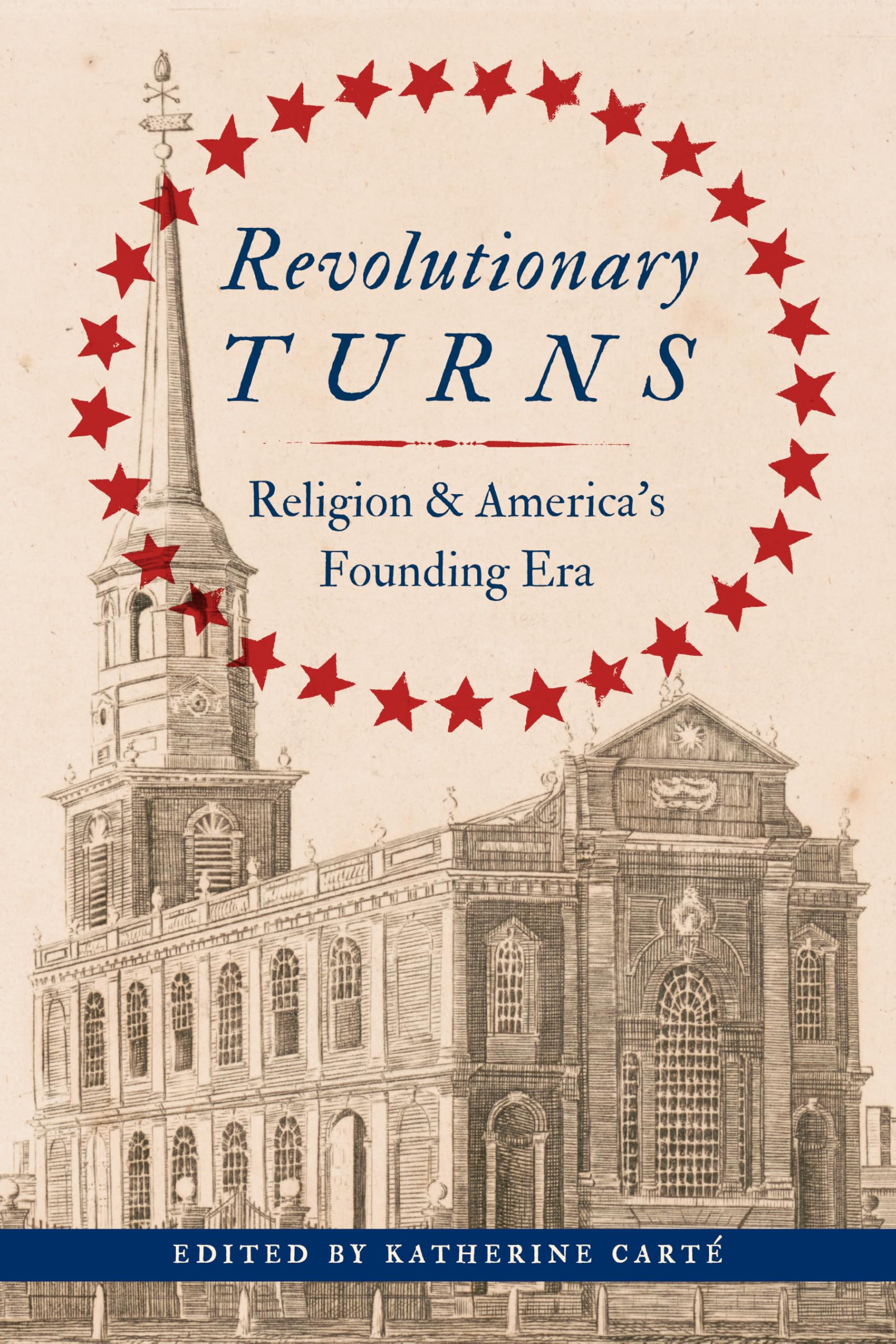



Exploring the dynamic interplay between religion and revolution in the founding era Religion lies at the heart of how many Americans understand the birth of their nation, giving rise to passionate calls for national unity and principled struggles for religious freedom. For the first time in thirty years, scholars of the founding era have joined together to reassess this central topic for our present moment. From fast-day proclamations to wartime crises of conscience, from Americans caught between multiple political interests to citizens of the new republic trying to reconcile revivalistic faith with the voices of the Enlightenment, the historians gathered here address timeless topics and open new terrain. Together, they present a world in which Americans of many faiths responded to new challenges and unprecedented situations. This fascinating portrait of religion in the Revolutionary era takes readers through topics as varied as the circulation of radical theological manuscripts in New England to the ways that the Revolutionary generation demanded more religious protections in their new governing documents. It examines the complex relationship between freedom, emancipation, and religion within and across new borders, elucidating the complex relationship between religion, revolution, and the new United States. The American Revolution was an event with powerful effects on the religious lives of Americans. As we celebrate the 250th, what better gift than this diverse, accomplished, and deeply researched set of essays by a set of gifted scholars who collectively come to no simple conclusion about such a social upheaval that was at once democratizing and conservative, liberating and restraining, potentially revolutionary and practically reactionary, all at the same time. No one, experts in the field included, will come from this collection without having learned much and reflected further and more deeply on religion and the revolution. ? Paul Harvey, University of Colorado, Colorado Springs, author of Bounds of Their Habitation: Religion and Race in American History Revolutionary Turns invites us to reconsider the significance of religion for the American Revolution and its aftermath. It does so by drawing us into the everyday practices of insiders and outsiders, people of different faiths and different politics. This is an engaging, robust, and humane book that will shape our ongoing conversations about the founding era. ? Mark Valeri, Washington University in St. Louis, author of The Opening of the Protestant Mind: How Anglo-American Protestants Embraced Religious Liberty Revolutionary Turns invites us to reconsider the significance of religion for the American Revolution and its aftermath. It does so by drawing us into the everyday practices of insiders and outsiders, people of different faiths and different politics. This is an engaging, robust, and humane book that will shape our ongoing conversations about the founding era. ― Mark Valeri, Washington University in St. Louis, author of The Opening of the Protestant Mind: How Anglo-American Protestants Embraced Religious Liberty Katherine Carté is Professor of History at Southern Methodist University and the author of Religion and the American Revolution: An Imperial History .