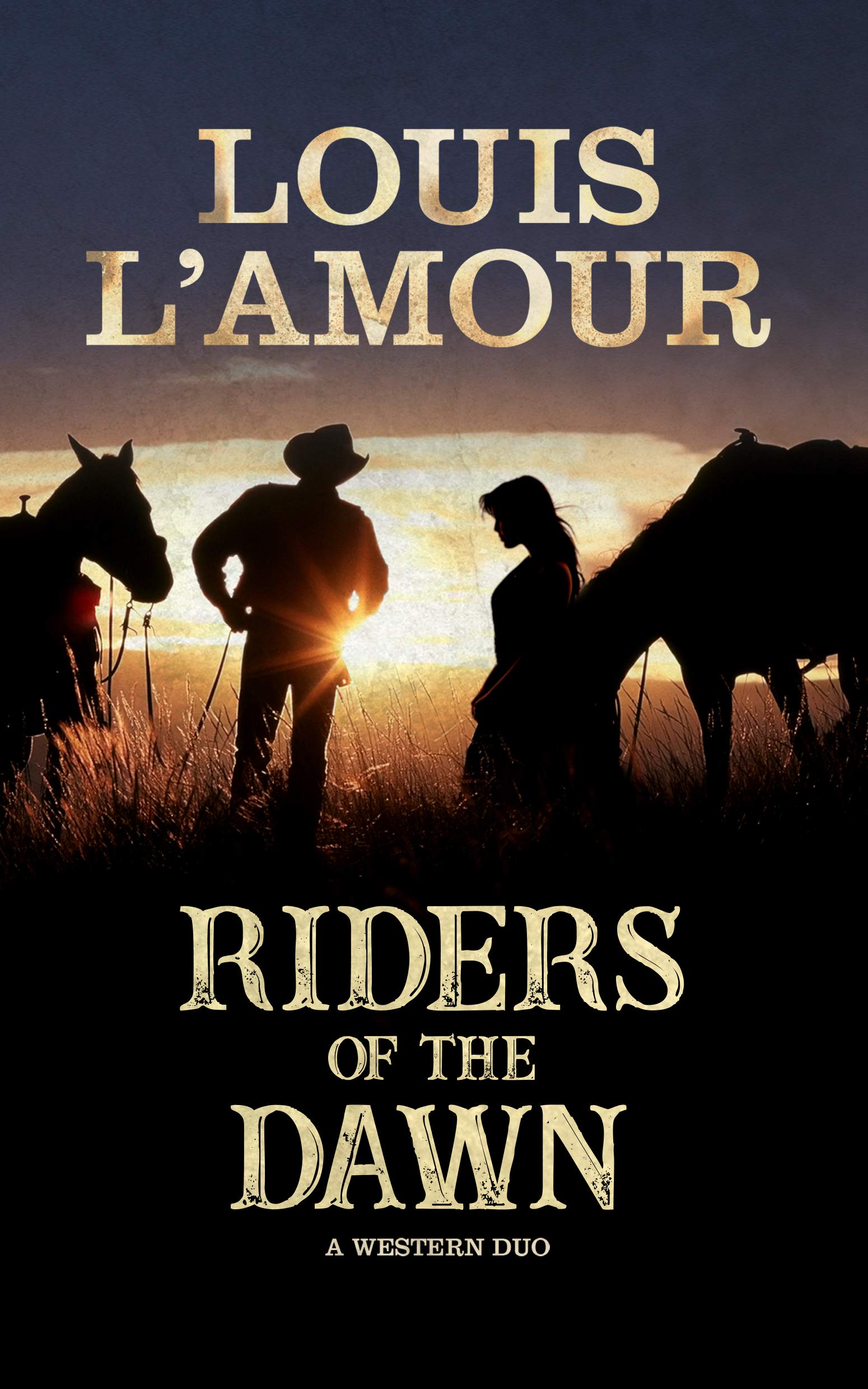



Ride, You Tonto Raiders Matt Sabre is a young and experienced gunfighter but not a trouble seeker. But when Billy Curtin calls him a liar and goes for his gun, Matt has no choice but to draw and fire. To his surprise, the dying man gives him $5,000 and begs him to take the money to his wife, who is alone in defending the family ranch in the Mogollons. A combination of guilt, regret, and wanting to do the right thing leads Sabre to make that ride. Riders of the Dawn A young gunslinger is changed for the better by meeting a beautiful woman. A classic range-war Western, this novel features that powerful, romantic, strangely compelling vision of the American West for which L Amour s fiction is known. In the author s words, It was a land where nothing was small, nothing was simple. Everything, the lives of men and the stories they told, ran to extremes. This story is one of Louis L Amour s early creations that have long been a source of speculation and curiosity among his fans. Early in his career, L Amour wrote a number of novel-length stories for the pulps. Long after they were out of print, the characters of these early stories still haunted him. It was by revising and expanding these stories that L Amour would create his first novels. ''A strong case can be made that L'Amour was the most popular American writer of the twentieth century.'' -- Wall Street Journal , praise for the author ''L'Amour never writes with less than a saddle creak in his sentences and more often with a desert heat wave boiling up from a sunbaked paragraph. A master storyteller.'' -- Kirkus Reviews , praise for the author ''Rudnicki's deep, commanding voice perfectly captures the tough edge of men who consider a three-to-one fight even.'' -- AudioFile on Stefan Rudnicki's reading of ''Ride, You Tonto Raiders'' Louis L'Amour (1908-1988) was an American author whose Western stories are loved the world over. Born in Jamestown, North Dakota, he was the first American novelist ever to be awarded a National Gold Medal by the United States Congress for lifetime literary achievement, and in 1984 he was awarded the Presidential Medal of Freedom.