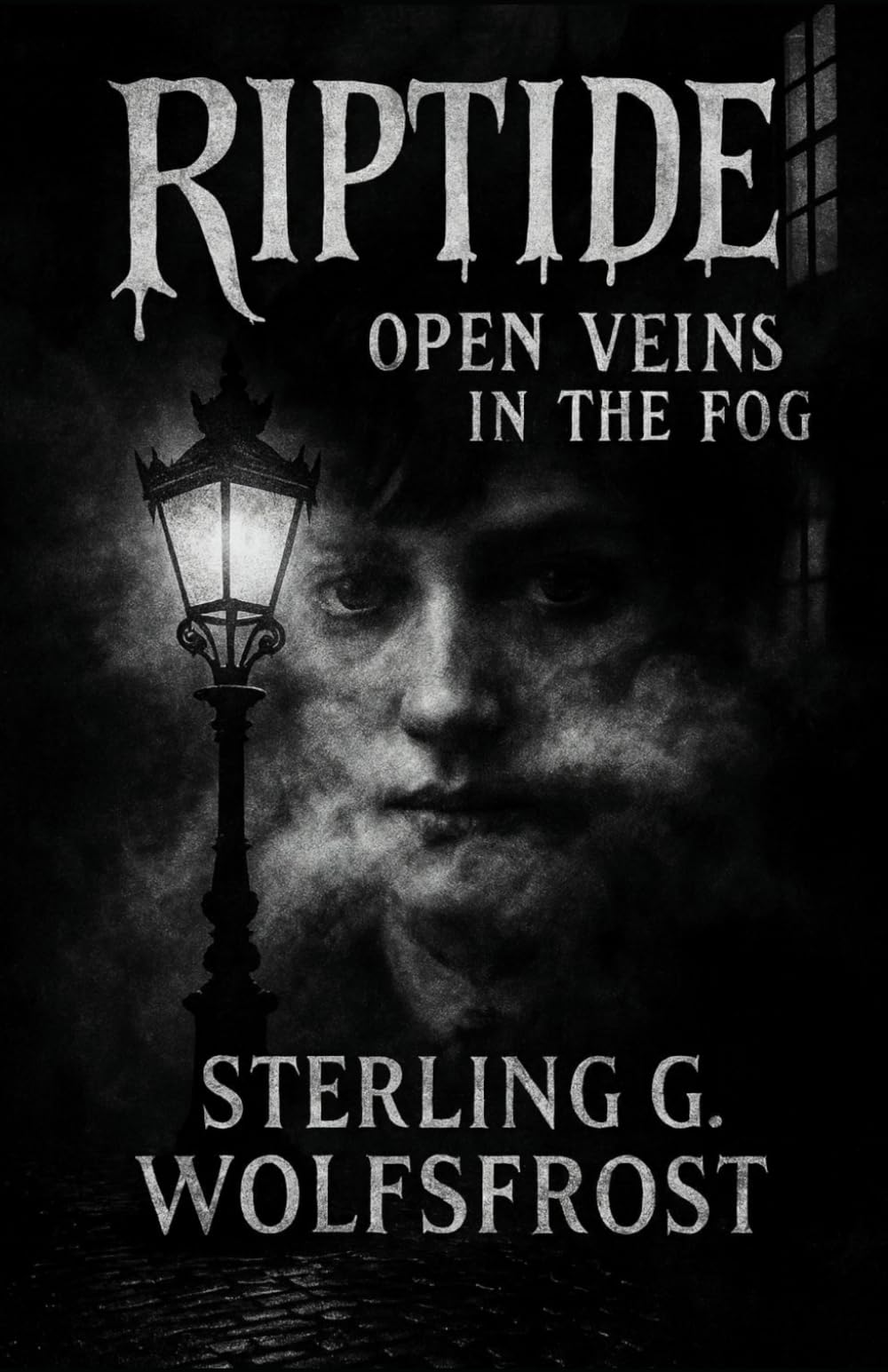



London performs. Gaslight polishes sin into ceremony; chapels breathe incense over ledgers; the Thames carries prayers the way it carries ash. Fog does not merely fall—it listens, remembers, and keeps score. Jack and Jackelin Blackwood glide through drawing rooms as if grace is native to their bones: twins adopted into the city’s elite, beloved in public, immaculate in posture. The Church that “saved” them stands close enough to pass for family, close enough to pass for God. Its praise feels like a hand at the nape—gentle, possessive, precise. Night changes the grammar. Glamour wraps their faces. Knives warm in their palms like small, consecrated suns. In the alleys where London forgets to look, the twins become the Rippers—holy instruments dispatched to “cleanse” on command, proof of devotion written in silence and vanishing bodies. Penance becomes performance. Sainthood becomes costume. Holiness tastes—always—of iron. But the dead do not stay obedient. Bound phantoms gather behind them like smoke that has learned hunger, and every act of obedience leaves a longer shadow. Queer longing threads itself through confession—tenderness arriving not as rescue, but as revelation, reverent and ruin-edged. And beneath the priestly cadence of command, a more intimate voice begins to surface. As whispers swell into liturgy and the fog tightens like a noose of velvet, the truth of the twins’ origins claws up through the streets the Church claimed to sanctify. Jack and Jackelin face the institution that remade them, the phantoms they’ve shackled, and a reckoning no disguise can outrun—because London’s mercy has a blade, and its judgment arrives on wings.