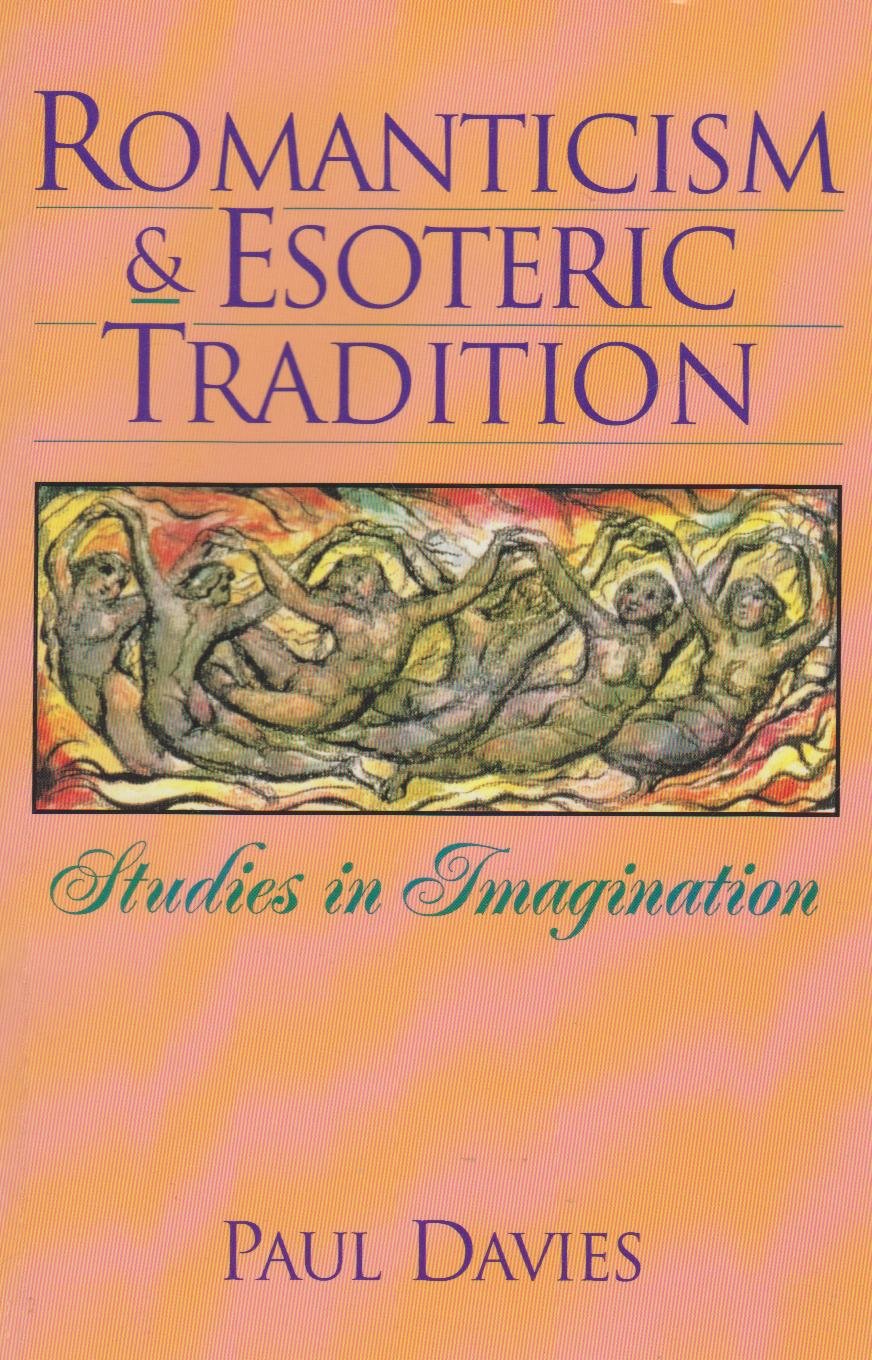



Spiritual quest is at the very heart of poetry, but in our materialistic climate of the twentieth and twenty-first centuries, this fact has been largely forgotten, even by those who claim to be experts in interpreting literature. How does the common worldview of the main esoteric traditions of East and West correspond to the aims of Romantic poets such as Shelley, Keats, and Wordsworth? In "Romanticism and Esoteric Tradition," Paul Davies maintains that only in the light of these traditions and secret teachings can Romantic poetry and thinking be understood as intended. This is one of the first books to connect poetry to the core teachings of the esoteric tradition and to reveal the esoteric meaning of works by several Romantic writers - those whose works have bewildered a culture that has chosen to marginalize the spiritual and instead limit itself to material, historical, and social issues. The Romantics were the first substantial group of poets to imagine - as personal encounter - the relationship between self and environment. In this sense, the Romantics recalled a long-held secret of the esoteric "human sciences"; they did not invent a new one. This book brings the deepest interests of the Romantics directly into contact with issues closest to today's students of the spiritual traditions and holistic perspectives. Davies (humanities, Univ. of Ulster) has written a volume of eight essays that is part of a series including Thomas Moore's The Planets Within and Noel Cobb's Archetypal Imagination. Examining esoteric themes, such as intimate dialog, the soul's journey, and active imagination, he shows how esoteric traditions of the East and the West correspond to the important themes and ideas of the major Romantic poets, such as Byron, Keats, and Shelley. His book builds on Gaston Bachelard's The Poetics of Reverie and works by Owen Barfield but goes beyond these earlier discussions and into the more modern topic of ecological criticism. He ends by relating the themes of the Romantic poets to the study of present-day spiritual quests. As this work is a bit weighty, especially because it encompasses such a variety of ideas, it is recommended for large academic libraries with extensive religion and literary studies collections.AKim Woodbridge, Athenaeum of Philadelphia Lib. Copyright 1998 Reed Business Information, Inc. Paul Davies is a professor of English at the University of Ulster in Northern Ireland and is the author of "The Real Beckett's Fiction and Imagination." Used Book in Good Condition