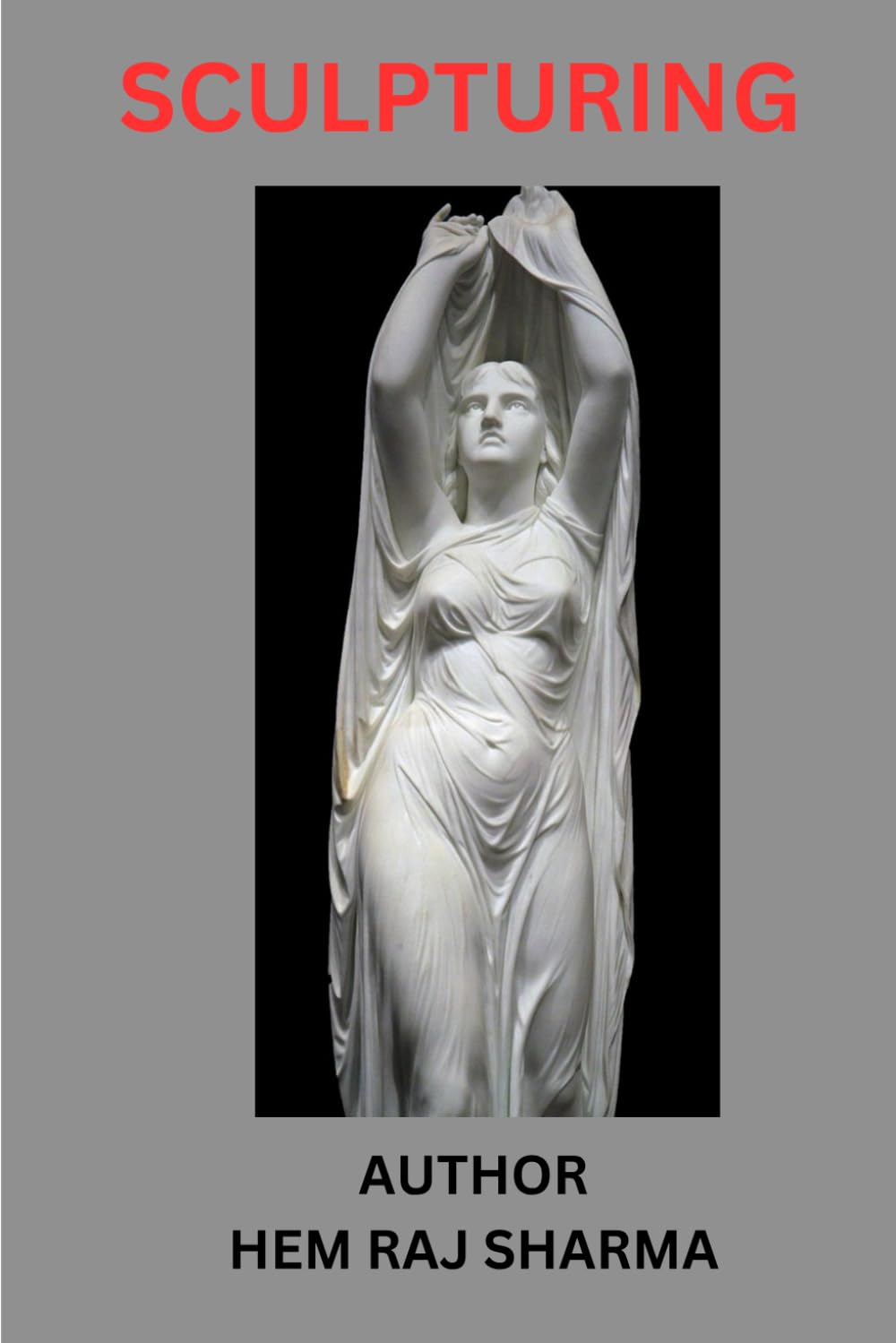



Introduction to sculpture Definition and history of sculpture Evolution of sculptural techniques The significance of sculpture Understanding sculpture material Introduction to sculpting material Choosing right material Tools and equipments for sculpting Basic sculpting techniques Hand building and modeling Carving and substantive methods Assembling and constructing Armature construction Anatomy for sculptures Study of human and animal anatomy Importance of anatomy in sculpture Tips for accurate representation Developing your creative process Finding Inspiration for sculpture Sketching and planning for sculpture Translating ideas in sculptural form Experimentation and iteration Step-by-step sculpture projects Creating a clay bust Carving a wooden figure Casting a metal sculpture Mastering facial features and expressions Creating realistic faces Capturing emotions and expression Techniques for detailing facial features Sculpting the human form Proportions and scaling Gesture and movement Portraying strength and grace Exploring abstract sculpture Understanding abstract art Technique for abstract sculpting Balancing form and composition Specialized sculpture techniques Relief sculpture Kinetic sculpture Environment and installation of sculptures Finishing and refining your sculpture Sanding and polishing Patinas and surface treatments Preservation and maintenance Exhibiting and marketing your sculptures Preparing for exhibitions Building a sculpture portfolio Marketing and selling your sculptures Sculpture in digital age 3D printing and digital sculpturing Blending traditional and digital techniques Sculpture as therapeutic practice Expressive and transformative power of sculpture Sculpture as a lifestyle Sculpture communities and networks Balancing passion with professionalism Renowned sculptures Appendix, resource, and references Museums and galleries for sculpture enthusiasts Sculpture, in its most fundamental sense, is the art of creating three-dimensional forms and figures through the manipulation of materials. It goes beyond the two-dimensional confines of paintings or drawings, engaging with space, volume, and physicality. Sculptors mold, carve, assemble, or construct materials to give life to their artistic visions, creating tangible expressions that exist in the round. As civilizations flourished and intermingled, diverse sculptural traditions emerged worldwide. African tribes crafted intricate wooden sculptures, Asian cultures produced serene Buddha figures, and Indigenous peoples created totem poles and ceremonial sculptures. Each culture contributed to the global tapestry of sculptural expression. The 20th century witnessed a radical departure from classical aesthetics with the advent of modernism. Artists like Pablo Picasso and Henry Moore embraced abstraction, challenging traditional forms and exploring new materials. Sculpture evolved into a dynamic, experimental field, incorporating found objects, kinetic elements, and conceptual frameworks. Highlighting key figures in contemporary sculpture, this section explores the work of influential artists who have made significant contributions to the field. Their innovative approaches, use of materials, and conceptual frameworks contribute to the ongoing evolution of sculptural practice. Our exploration will unravel the layers of creativity that have shaped this timeless and multidimensional form of artistic expression.