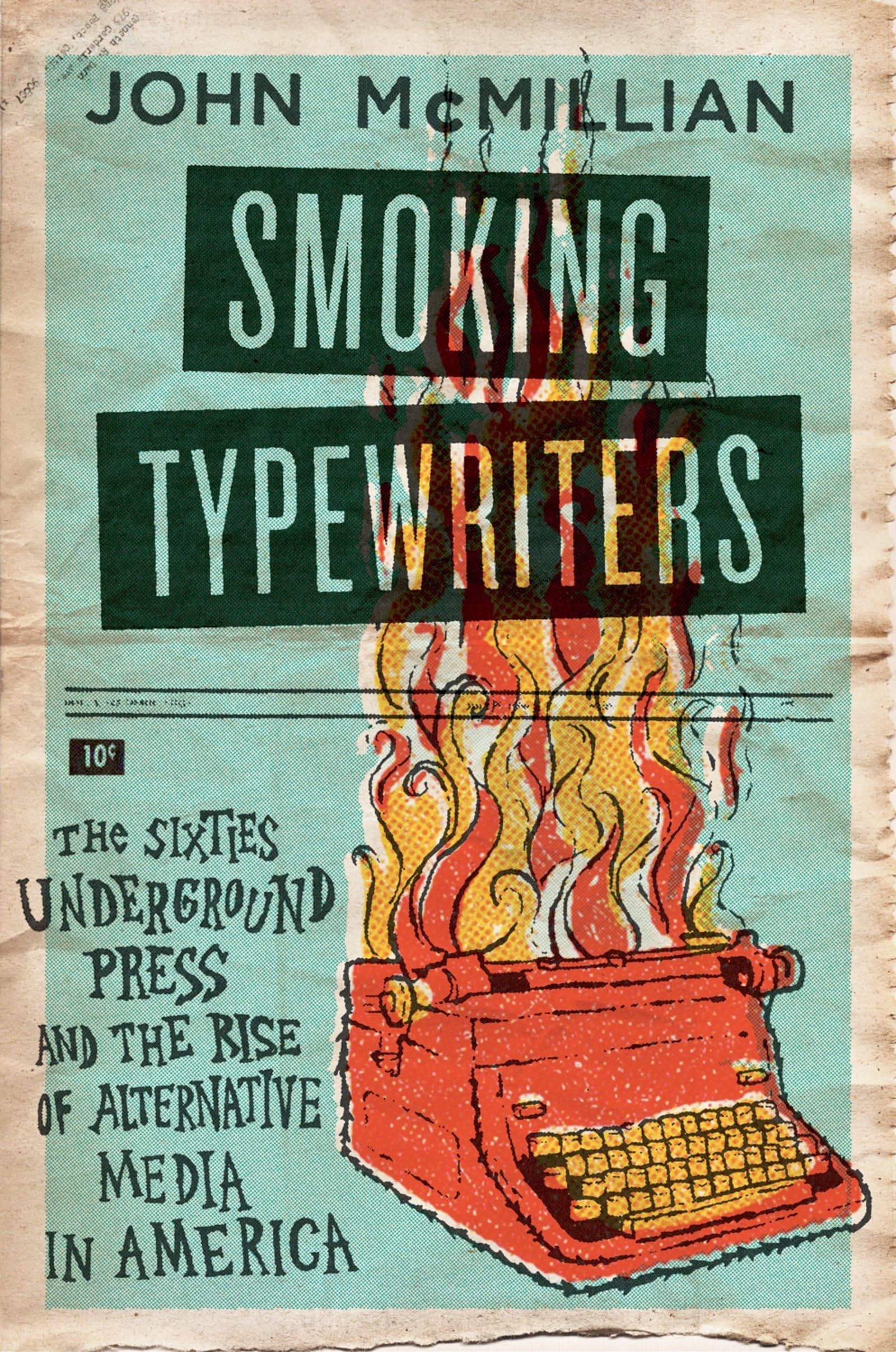
SMOKING TYPEWRITERS: The Sixties Underground Press And The Rise Of Alternative Media In America
$15.19
by John MCMILLIAN



How did the New Left uprising of the 1960s happen? What caused millions of young people-many of them affluent and college educated-to suddenly decide that American society needed to be completely overhauled? In Smoking Typewriters , historian John McMillian shows that one answer to these questions can be found in the emergence of a dynamic underground press in the 1960s. Following the lead of papers like the Los Angeles Free Press, the East Village Other , and the Berkeley Barb , young people across the country launched hundreds of mimeographed pamphlets and flyers, small press magazines, and underground newspapers. New, cheaper printing technologies democratized the publishing process and by the decade's end the combined circulation of underground papers stretched into the millions. Though not technically illegal, these papers were often genuinely subversive, and many of those who produced and sold them-on street-corners, at poetry readings, gallery openings, and coffeehouses-became targets of harassment from local and federal authorities. With writers who actively participated in the events they described, underground newspapers captured the zeitgeist of the '60s, speaking directly to their readers, and reflecting and magnifying the spirit of cultural and political protest. McMillian pays special attention to the ways underground newspapers fostered a sense of community and played a vital role in shaping the New Left's highly democratic "movement culture." Deeply researched and eloquently written, Smoking Typewriters captures all the youthful idealism and vibrant tumult of the 1960s as it delivers a brilliant reappraisal of the origins and development of the New Left rebellion. "Writing with energy and humor, McMillian introduces a large cast of characters, with plenty of heroes, villains, tragic figures, and con men. On a larger scale, he portrays the hundreds of papers blooming in cities and on campuses across the country as laboratories in which activists sought to work out the precise meaning of the New Left ideal of participatory democracy."-- American Studies "A lucid new work by a promising young media historian, Georgia State University's John McMillan....Suitable for scholars, graduate students, and aging hippies everywhere."-- Journalism History "The story that John McMillian tells in Smoking Typewriters and the lessons he implies are at once admonitory and inspirational; this is a work of serious scholarship that suggests both a call to resurgent action and a demand that people do better next time."--Roz Kaveney, Times Literary Supplement "Exploring the variety of cultures that produced the papers as well as documenting how the papers reshaped their communities as they connected young people across the country, McMillian offers fascinating portraits of many colorful characters while also developing a temporal narrative tracing the rise and fall of the newspapers and the youth movement they chronicled....Those who teach the sixties, protest history, or journalism history are indebted to McMillian for providing a readable chronicle of this critical moment when words fired minds and were, themselves, a form of action."-- H-Net Reviews "Readable, richly detailed study of the hundreds of anti-establishment 1960s newspapers....A welcome book on the '60s--a nostalgia trip for those who were there and a vivid work of history for anyone curious about the journalism that jolted a decade."-- Kirkus Reviews , starred review "This tour d'horizon of the 60s underground press is a tour de force....[A] compact, sharply-etched, and well-informed recollection of the rebellious young journalists whose voices and views breached the high walls of Mainstream Media long before the current Internet-savvy generation rushed in to finish off to what remains of Conventional-Wisdom-based reporting. Seen with fresh eyes by a talented young scholar, Smoking Typewriters tells an important-and entertaining-story about modern American culture and its endless upheavals."--Richard Parker, Harvard University "Thoroughly researched and well-written, this book will serve as the definitive treatment of the radical and alternative media of the 1960s. While telling his story, much of it both exciting and tragic, John McMillian confronts crucial issues-questions about objectivity and democratic activism-with verve and insight."--Kevin Mattson, author of "What the Heck are You Up To, Mr. President?" "John McMillian's meticulous scholarship delves into the rambunctious, chaotic world of the counterculture weeklies that sprang up around the country, and mostly imploded, in the era of Vietnam, rock, psychedelics and pot. Smoking Typewriters (the witty title was a gift from Allen Ginsberg) explores the ambitions and private demons of several leading figures in the alternative press, notably Ray Mungo, Marshall Bloom, and Tom Forcade. The author parses - no easy task--the dizzily fractured political and sexual rebelli