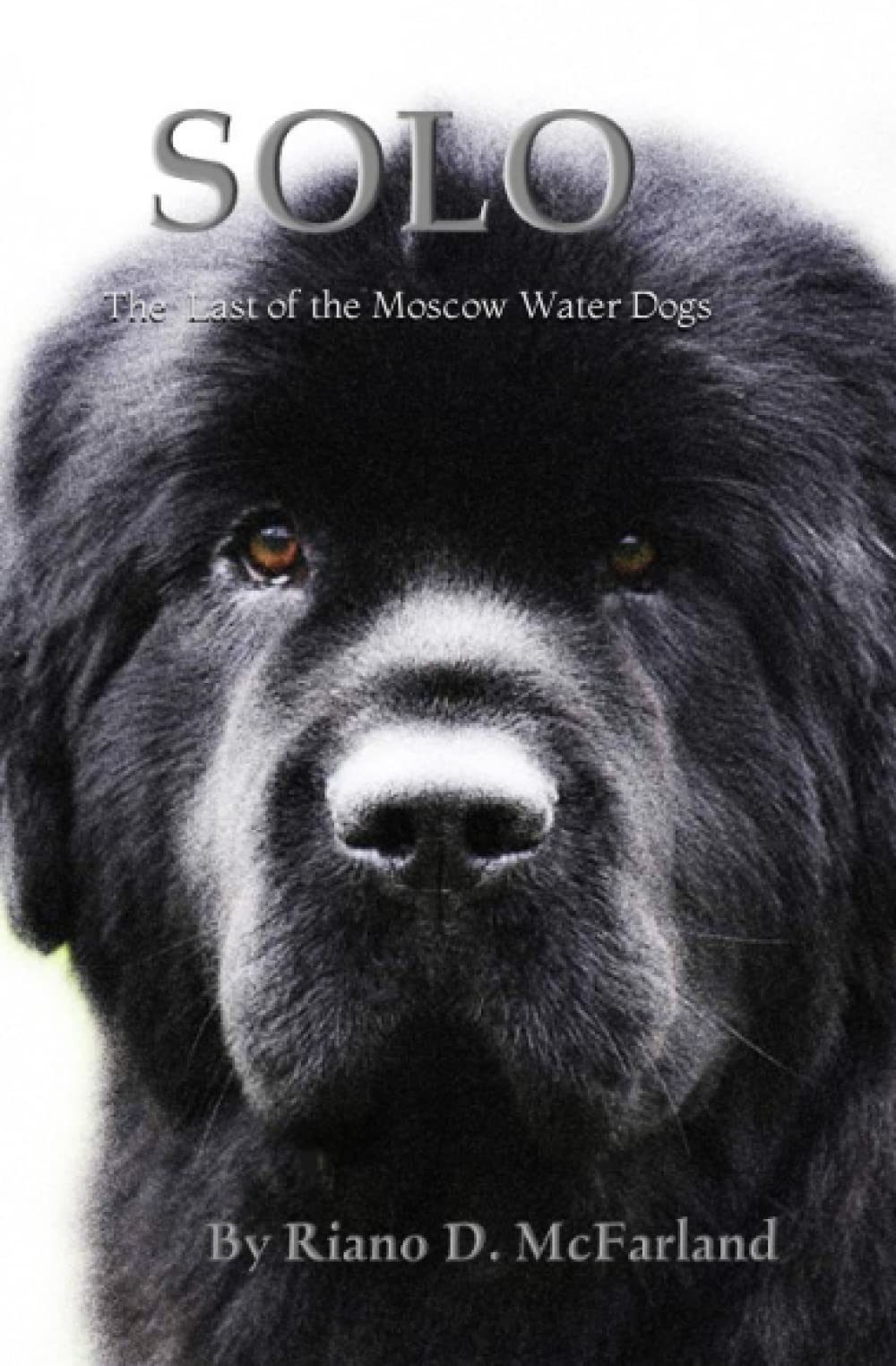



In 1955, the Soviet Union introduced the Moscow Water Dog in a canine show to great acclaim; however, in real world situations, they fell far short of the expectations Russian cynologists had set for them, and in 1979, the Moscow Water Dog project was shut down. Supposedly the last of the breed died out in 1990, but did they? Boris Davidof was a Soviet scientist who had worked intensely on the project and was unwilling to abandon what he’d seen as his greatest accomplishment. Long after the program was discontinued, he continued his research privately, creating an animal void of emotion and empathy, and willing to execute any command given without hesitation, up to and including murder. Each dog in the program was named Solo (Single Objective Living Organism) and given a numeric identification number. During a raid on his research facility, only one Moscow Water Dog survived without being captured. He was an 8-week-old puppy, named SOLO-21, and although he was bred to be a killer, unless and until his microchip was activated… he was just a puppy. "A gripping, imaginative thriller rooted in real historical science—McFarland delivers a story that is both tense and unexpectedly moving." SOLO: The Last of the Moscow Water Dogs takes a little‑known chapter of Soviet history and transforms it into a compelling narrative about engineered loyalty and the consequences of unchecked ambition. The novel's strength lies in its balance: it offers suspense and intrigue while grounding the story in the emotional reality of a young dog who was never meant to be free. SOLO‑21 is a standout creation—both a product of scientific design and a creature defined by innocence. McFarland handles this duality with nuance, allowing the reader to feel the weight of what he was intended to become while rooting for the possibility of something different. The pacing is tight, the world‑building sharp, and the ethical questions woven throughout give the story depth beyond its thriller framework. A unique and compelling addition to the genre—thoughtful, tense, and unforgettable. This story began with a simple question: What if one of history's abandoned scientific projects didn't end when the world thought it did? The Moscow Water Dog was a real breed—ambitious in concept, short‑lived in practice. But the idea of a scientist refusing to let go of his creation, continuing the work in secret, opened the door to a narrative that blends history, ethics, and the emotional complexity of engineered life. SOLO‑21 is at the heart of that story. He represents both the intention behind the experiment and the innocence of a creature who never chose his purpose. Writing him meant exploring the tension between design and identity, instinct and programming, and the possibility that even something created for a single objective might become something more. If this book leaves you thinking about loyalty, control, and the unexpected paths a life can take, then it has accomplished what I hoped. — RDM A forgotten Soviet experiment. A scientist who refused to let it die. And one surviving puppy who was never meant to exist. The Moscow Water Dog program was intended to create the perfect working canine. Instead, it became a footnote in history—a failed experiment quietly discontinued. However, Boris Davidof carried out the research in secret, shaping a new generation of dogs known for their unwavering obedience. His creations were known only as SOLO, each identified by number rather than name. When authorities uncover Davidof's hidden laboratory, the program collapses—except for one survivor. SOLO‑21 escapes into a world that has no idea what he was bred to become. He is young. He is untrained. And he is unaware of the purpose he was designed to fulfill. What happens next depends on who finds him... and whether the microchip that defines his destiny ever awakens. In 1955, the Soviet Union introduced the Moscow Water Dog in a canine show to great acclaim; however, in real world situations, they fell far short of the expectations Russian cynologists had set for them, and in 1979, the Moscow Water Dog project was shut down. Supposedly the last of the breed died out in 1990, but did they? Boris Davidof was a Soviet scientist who had worked intensely on the project and was unwilling to abandon what he'd seen as his greatest accomplishment. Long after the program was discontinued, he continued his research privately, creating an animal void of emotion and empathy, and willing to execute any command given without hesitation, up to and including murder. Each dog in the program was named Solo (Single Objective Living Organism) and given a numeric identification number. During a raid on his research facility, only one Moscow Water Dog survived without being captured. He was an 8-week-old puppy, named SOLO-21, and although he was bred to be a killer, unless and until his microchip was activated... he was just a puppy. Riano McFarland is an Amazon #1 bestselling nove