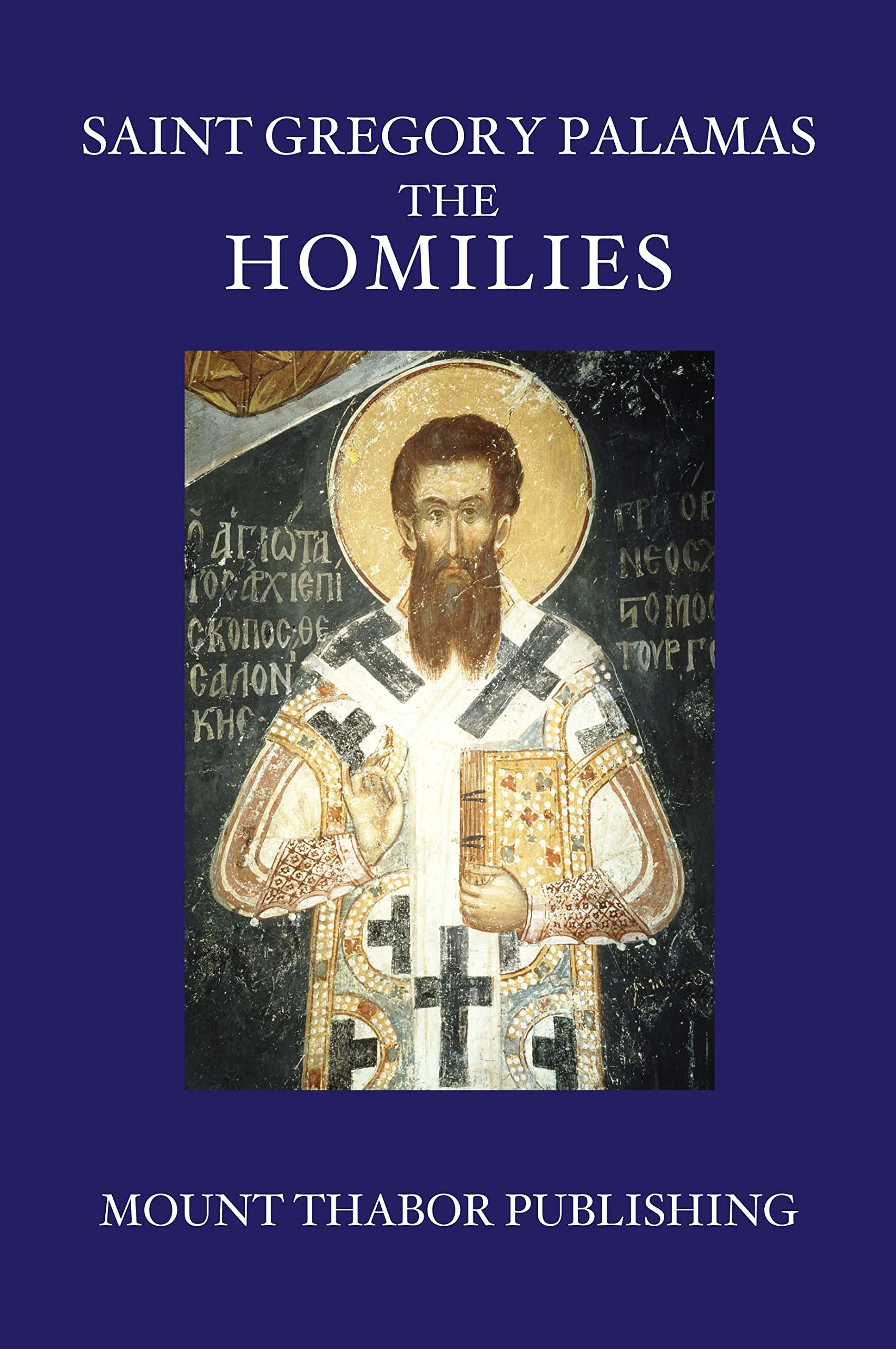



This is the 2022 (3rd reprint edition with corrections and a revised Index of Names and Subjects) of The Scholar's Edition, designed for priests, theologians and the interested layperson. The first edition of all sixty-three extant sermons by St. Gregory to appear in English translation, presented together with an Introduction to the Homilies, over 1,000 notes and scholia, an index of Scriptural References, an index of Names and Subjects, and an index of Greek Words, designed to transform this remarkable treasury of Patristic wisdom into an invaluable reference resource for the student of theology. This edition completes and supersedes The Homilies of Saint Gregory Palamas. Saint Gregory Palamas (c. 1296 - 1359) represents Orthodox Theology at its most sublime. Patristic Theology in the fourteenth century, of which Saint Gregory is indubitably the greatest exponent, touched the very boundaries of theological expression.Saint Gregory s homilies are among the finest in Patristic literature. In his treatment of the manifold themes contained therein, he is remarkably consistent in maintaining a balance between originality of thought and strict adherence to the tradition of his predecessors. His genius resides in the ease with which he demonstrates, as only a master of the spiritual life can, the refreshingly practical significance of the doctrines of the Church for the Life in Christ. --From the Inside Flap The Scholar's Edition: for priests, theologians and the educated layperson. The first edition of all sixty-three extant sermons by St. Gregory to appear in English translation, presented together with an Introduction to the Homilies, over 1,000 notes and scholia, an index of Scriptural References, an index of Names and Subjects, and an index of Greek Words, designed to transform this remarkable treasury of Patristic wisdom into an invaluable reference resource for the student of theology. This edition completes and supersedes The Homilies of Saint Gregory Palamas. --From the Back Cover Saint Gregory Palamas (c. 1296 - 1359) represents Orthodox Theology at its most sublime. Patristic Theology in the fourteenth century, of which Saint Gregory is indubitably the greatest exponent, touched the very boundaries of theological expression.Saint Gregory s homilies are among the finest in Patristic literature. In his treatment of the manifold themes contained therein, he is remarkably consistent in maintaining a balance between originality of thought and strict adherence to the tradition of his predecessors. His genius resides in the ease with which he demonstrates, as only a master of the spiritual life can, the refreshingly practical significance of the doctrines of the Church for the Life in Christ. --From the Inside Flap Saint Gregory Palamas (c. 1296 - 1359) represents Orthodox Theology at its most sublime. Patristic Theology in the fourteenth century, of which Saint Gregory is indubitably the greatest exponent, touched the very boundaries of theological expression.Saint Gregory s homilies are among the finest in Patristic literature. In his treatment of the manifold themes contained therein, he is remarkably consistent in maintaining a balance between originality of thought and strict adherence to the tradition of his predecessors. His genius resides in the ease with which he demonstrates, as only a master of the spiritual life can, the refreshingly practical significance of the doctrines of the Church for the Life in Christ. The Scholar's Edition: for priests, theologians and the educated layperson. The first edition of all sixty-three extant sermons by St. Gregory to appear in English translation, presented together with an Introduction to the Homilies, over 1,000 notes and scholia, an index of Scriptural References, an index of Names and Subjects, and an index of Greek Words, designed to transform this remarkable treasury of Patristic wisdom into an invaluable reference resource for the student of theology. This edition completes and supersedes The Homilies of Saint Gregory Palamas. Ascetic and Metropolitan bishop of Thessalonica (1347-1359). Greatest exponent of Hesychasm. The teaching of St. Gregory and his fellow Hesychasts was based on the understanding that man, the greatest of all God's creatures, had been called to enter into direct and unmediated communion with God even from this present life. The chief manner by which this is achieved is through the grace of God and noetic prayer, that is, through the Prayer of the Heart, also known as the Jesus Prayer: Lord Jesus Christ, Son of God, have mercy upon me. For the Hesychasts, therefore, true theology, real knowledge of God, is given not to those whose minds have been exercised in lofty concepts about God, but to those who, through prayer and ascetic striving in accordance with the commandments of Christ, have been made worthy to behold the vision of Christ in glory, to those who have seen God face to face and share in His very Life. Used Book in Good