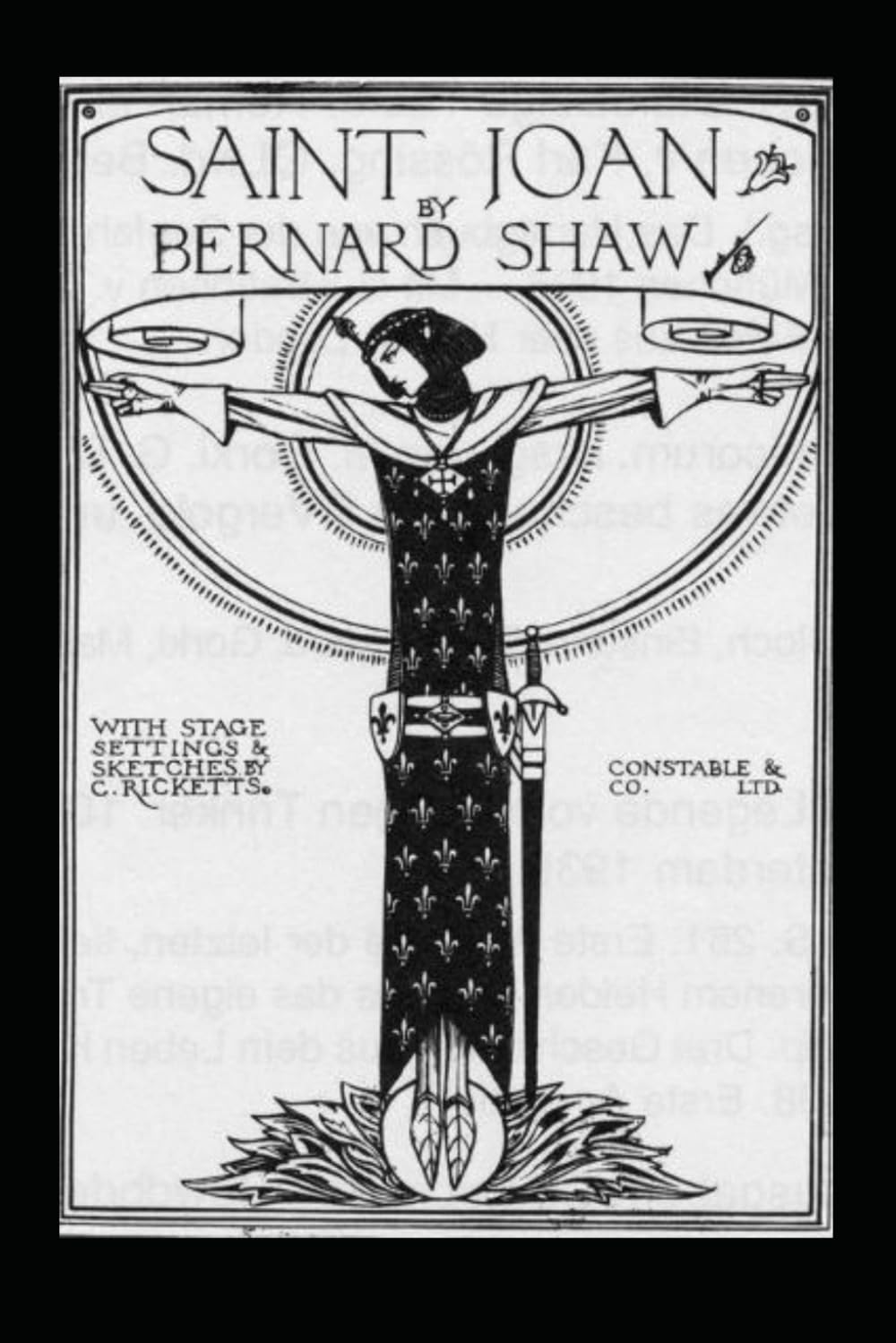



In George Bernard Shaw's gripping play, "Saint Joan," the spotlight falls on the 15th-century French military heroine, Joan of Arc. Premiering in 1923, just three years after her canonization by the Roman Catholic Church, the play offers a unique perspective on Joan's trial. Shaw, in his insightful preface, challenges traditional notions of villainy, asserting that the characters involved acted based on their perceived righteousness. The narrative unfolds without clear villains, echoing Shaw's belief that crime, like disease, lacks intrigue—it's merely a societal woe to be eliminated by consensus. "Saint Joan" delves into the complexities of human actions driven by good intentions and the inevitable clash between individual will and societal norms. Described by Michael Holroyd as Shaw's sole tragedy and a tragedy without villains, the play invites audiences to contemplate the profound impact of actions undertaken with the best of intentions. Shaw's nuanced exploration, coupled with a thought-provoking preface, elevates "Saint Joan" beyond a conventional historical drama, making it a compelling and unique theatrical experience.