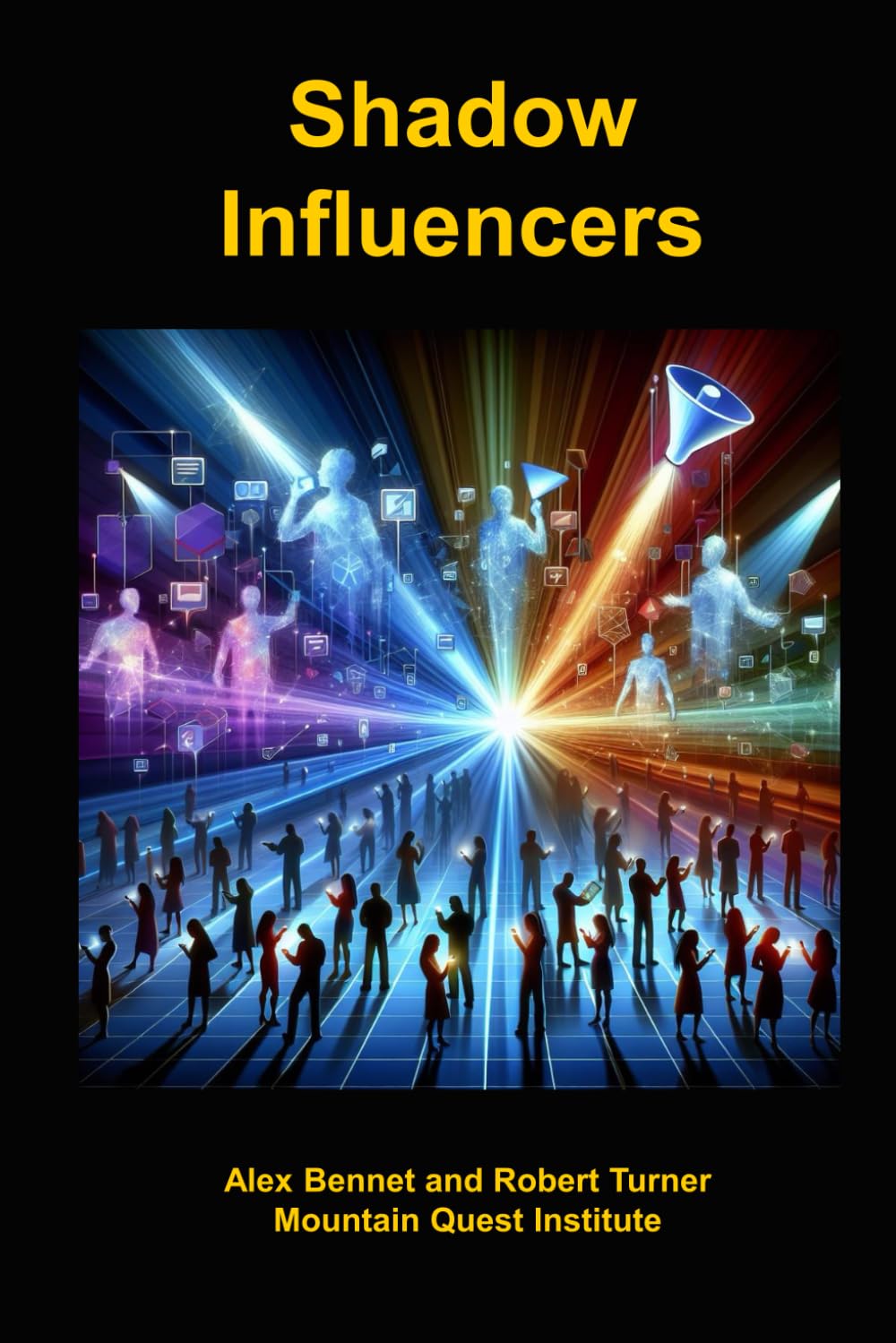



W e live in a strange environment—one where the forces shaping our thoughts, choices, and consciousness operate largely beneath our awareness, woven so seamlessly into daily life that we mistake their influence for our own authentic responses. This book emerges from a simple but unsettling recognition: many of the systems we interact with daily are not neutral tools but sophisticated influence architectures designed to shape human behavior in ways that serve interests other than our own conscious development. Why now? Because we have reached a threshold where the sophistication of these influence systems has begun to outpace human awareness of how they operate. We find ourselves in the peculiar position of living within influence environments more complex and psychologically sophisticated than anything in human history, while using conceptual frameworks developed and used for recognizing much simpler forms of persuasion and manipulation. The algorithms that curate our information, the economic pressures that shape our choices, the social comparison engines that trigger our insecurities, the temporal acceleration that fragments our attention—these represent what we call "shadow influencers" because they operate in the shadows of consciousness, shaping behavior through psychological mechanisms we rarely recognize as influence systems at all. This is not a book about becoming paranoid or rejecting beneficial technology. Rather, it's about developing the kind of sophisticated awareness that enables conscious engagement with these systems—discerning when they genuinely serve our development or when they exploit our psychology in ways that diminish our agency and wisdom. The strange environment we live in need not remain strange forever. Through conscious recognition of how influencers operate in the shadows, we enlarge our abilities to participate consciously in shaping the kinds of systems and environments that support rather than exploit human consciousness. This is both the challenge and the opportunity of our time—learning to be conscious in environments specifically designed to operate through unconsciousness. The future of human agency may well depend on our capacity to develop this more sophisticated awareness while remaining open to the genuine gifts that technology and human ingenuity offer, especially when they serve consciousness rather than exploit it.