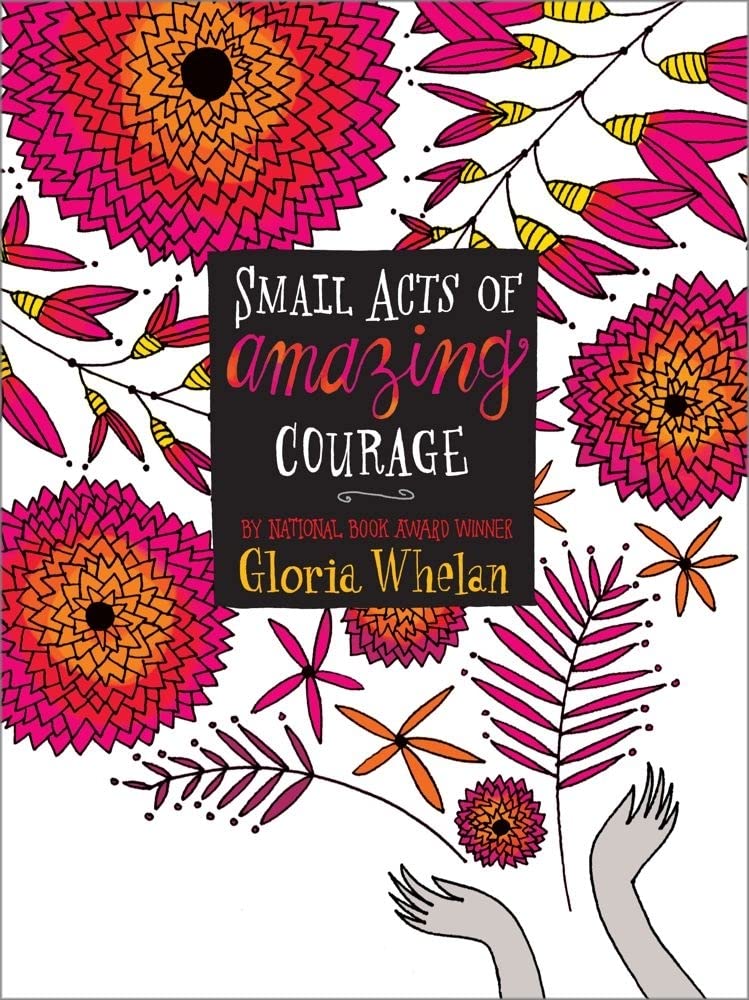



It is 1918, six months after the end of World War I, and Rosalind awaits the return of her father from the war. While it is common practice for British children in India to be packed off to boarding school at the age of 6, Rosalind is unusual because she lives and is schooled in India because her mother insists. The heart of this penetrating story is Rosalind's coming of age set against the hardship of life for the Indian people, Rosalind's daily life in India, the rise of Ghandi and Rosalind's coming to make her own decisions and become her own person. While her British Army major father has been away in WWI, 15-year-old Rosalind has enjoyed freedom in her southeast Indian town, roaming the bazaar with her Indian friends rather than chatting with other Brits at the local club. Then her father returns, and she chafes against his strict colonial views. After she is caught listening to Gandhi at a rally, Rosalind's furious father ships her off to her English aunts, where her free-thinking spirit once again shakes up the status quo. The historical and cultural details occasionally veer into docunovel territory, but Whelan balances the facts with distinctive, sometimes comical characterizations and vibrant, original sensory descriptions, whether Rosalind is describing an aunt's suit as "the color of burnt bacon" or the feeling, as ashes drift from the funeral pyres, that "the dead had become part of me." Set during a pivotal moment in Indian history, Whelan's vivid, episodic story explores the tension between doing what's right, rather than what's expected, and the infinite complexities of colonialism: "Though I have never been there, home, of course, is England." Grades 6-9. --Gillian Engberg "It’s a gripping, funny, touching book, and Gloria Whelan is a storytelling genius."--Stephanie Spinner, author of QUIVER, QUICKSILVER and, DAMOSEL Small Acts of Amazing Courage. Whelan, Gloria (Author) Apr 2011. 224 p. Simon & Schuster/Paula Wiseman, hardcover, $15.99. (9781442409316). While her British Army major father has been away in WWI, 15-year-old Rosalind has enjoyed freedom in her southeast Indian town, roaming the bazaar with her Indian friends rather than chatting with other Brits at the local club. Then her father returns, and she chafes against his strict colonial views. After she is caught listening to Gandhi at a rally, Rosalind’s furious father ships her off to her English aunts, where her free-thinking spirit once again shakes up the status quo. The historical and cultural details occasionally veer into docunovel territory, but Whelan balances the facts with distinctive, sometimes comical characterizations and vibrant, original sensory descriptions, whether Rosalind is describing an aunt’s suit as “the color of burnt bacon” or the feeling, as ashes drift from the funeral pyres, that “the dead had become part of me.” Set during a pivotal moment in Indian history, Whelan’s vivid, episodic story explores the tension between doing what’s right, rather than what’s expected, and the infinite complexitiesof colonialism: “Though I have never been there, home, of course, is England.” — Gillian Engberg BOOKLIST , February 1, 2011 WHELAN, Gloria. Small Acts of Amazing Courage. 224p. glossary. CIP. S & S/Paula Wiseman Bks. Apr. 2011. Tr $15.99. ISBN 978-1-4424-0931-6. LC 2010013164. Gr 6-10 –Rosalind is the 15-year-old willful daughter of a British major and his wife who are stationed in India. When her father arrives home from World War I, he discovers that his delicate wife has not ruled the household or their daughter as strictly as he would like and sets out to correct that. Rosalind becomes intrigued with Gandhi’s movement to win India’s freedom from British rule, which infuriates her father. After disobeying him once too often, she is shipped off to England to live with two aunts and attend boarding school. Her determination to do as she pleases brings about misadventures during a cholera outbreak on the voyage and with her aunts. When notified of her misdeeds, her horrified parents demand that she return to India immediately. She happily complies, taking her timid aunt, who through Rosalind has found her own freedom, with her. Whelan paints a detailed picture of the lives of the English and the Indians during British rule, especially those of the women and children in both cultures, without detracting from the story. The dominant theme of the book, the value of freedom by nations and individuals, is cleverly woven into the plot. The characters are fully fleshed out and illustrate the differences and similarities between the two cultures during a period that doesn’t receive much treatment in young adult literature. The ending is a little too pat, but readers won’t care. This is a beautifully written, fascinating, and informative story. –Nancy P. Reeder, Heathwood Hall Episcopal School, Columbia, SC -- School Library Journal, March 1, 2011 Small Acts of Amazing Courage