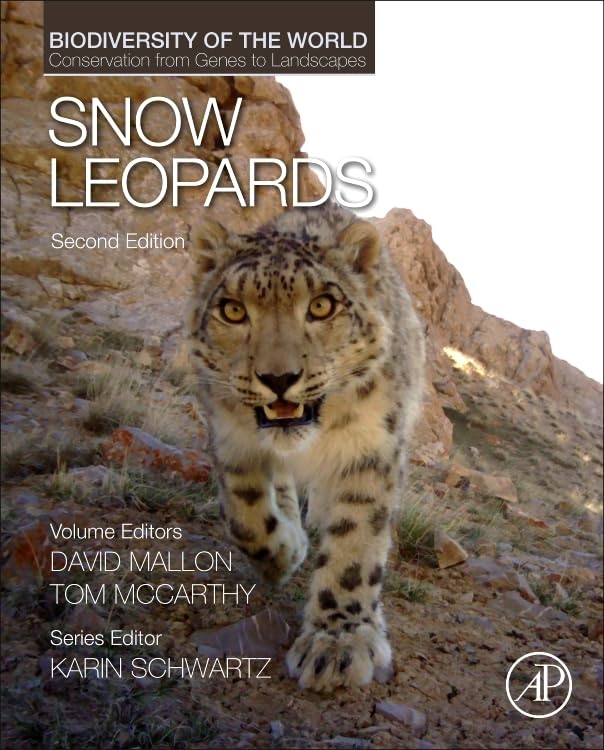
Snow Leopards (Biodiversity of the World: Conservation from Genes to Landscapes)
$97.50
by Tom McCarthy



Snow Leopards, Second Edition provides a foundational, comprehensive overview of the biology, ecology and conservation of this iconic species. This updated edition incorporates all the recent information from range-wide surveys and conservation projects, the results of technical and advances particularly in genetics, camera trapping and satellite tracking, and evaluates emerging threats. New chapters synthesize the novel scientific methods and statistical analyses used to develop density and population estimates and how they inform conservation and management estimates. Sections cover historical information, the main biogeographic patterns, evolutionary trends, conservational efforts, and cultural significance. Status and distribution are fully updated for all 12 countries where snow leopards occur. Other sections describe established and emerging threats, including human-wildlife conflict, illegal trade, infrastructure development, and climate change along with conservation solutions used to address these threats. The book concludes with a final section on global snow leopard initiatives and future potentials. Offers a complete and thorough update on snow leopard ecology, conservation, research techniques and population trends, among other topic - Presents the results of the latest scientific research and conservation measures - Edited by recognized experts with contributions from 240 of the world’s leading experts throughout the snow leopard’s range Presents the latest information on the elusive snow leopard, including its biology, behavior and ongoing efforts for conservation Snow Leopards, Second Edition provides a foundational, comprehensive overview of the biology, ecology, and conservation of this iconic species. This updated edition incorporates all the recent information from range-wide surveys and conservation projects, the results of technical and advances particularly in genetics, camera trapping and satellite tracking, and evaluates emerging threats. New chapters synthesize the novel scientific methods and statistical analyses used to develop density and population estimates and how they inform conservation and management estimates. The first section of the book covers historical information, the main biogeographic patterns, evolutionary trends, conservational efforts, and cultural significance. Status and distribution are fully updated for all 12 countries where snow leopards occur. A section describes established and emerging threats, including human-wildlife conflict, illegal trade, infrastructure development, and climate change along with the conservation solutions used to address these threats. The book concludes with a final section on global snow leopard initiatives and future potentials. Snow Leopards, Second Edition features contributions from over 200 international experts on the species, bringing experience and expertise on all aspects of the snow leopard from every part of its range. The book is a key resource for scientists, researchers, government agencies, managers, and anyone with an interest in the conservation of the snow leopard and the high mountain ecosystems it occupies. Dr. Tom McCarthy, Panthera’s Director of Snow Leopard Programs, began his conservation career studying brown bears, black bears, mountain goats and caribou in Alaska in the early 1980s. A strong interest in international conservation led him to Mongolia in 1992, where, under the guidance of Dr. George Schaller (known as “one of the founding fathers of wildlife conservation), he took over the management of a long-term snow leopard research project. He was the first biologist to use satellite radio-collars on snow leopards. McCarthy became the Science and Conservation Director of the Snow Leopard Trust in 2000 and has since led their extensive science and community-based conservation programs across much of snow leopard range in Asia. From 2002-2009, Dr. McCarthy served as Executive Director of the Snow Leopard Network, a global consortium of more than 200 professionals involved in snow leopard research and conservation. Among other research initiatives, Dr. McCarthy is leading both a range-wide assessment of snow leopard genetics that seeks to identify movement corridors which are critical to maintaining the health and genetic diversity of the species, and a revision of methods by which snow leopard populations can be monitored over time, including such novel non-invasive approaches as fecal genetics, camera trapping and statistical modeling based on sign surveys. Dr. David Mallon is not only a recognized expert on snow leopards, he is extremely knowledgeable on the conservation status of Central Asia as a whole. He conducted some of the early assessments of the status of snow leopards in Mongolia and has done surveys in many of the Himalayan range states. He has more than 25 years of field work experience in the Himalaya, Tibetan Plateau, Mongolia, Central Asia and Arabia, mainly focused on large mamm