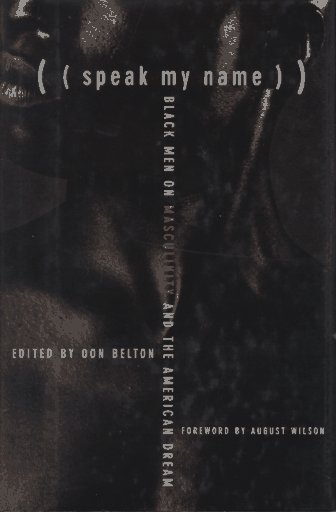



Through the voices of some of today's most prominent African-American writers, this collection of essays and stories on contemporary African-American men's experience explores the intimate territory beyond the myths about brutalizing and bruatalized black men in a harsh white world. Includes works by Houston Baker, Amiri Baraka, Henry Louis Gates, Jr., Walter Mosley, and John E. Wideman. The nearly 30 essays collected here explore aspects of what it is to be a black man in America that all too often don't appear on television or in the newspapers. Writers as well-known as John Edgar Wideman and Walter Mosley (as well as emerging writers whose names we'll soon know better) consider the experience of being a son or being a father, meditate on violence and its effects, and share their losses, joys and triumphs. Contemporary American society is rife with stereotypes of African American males as athletes, entertainers, criminals, or victims. Following in the wake of October's Million Man March on Washington are two myth-shattering books on African American men. Through writings or interviews, both titles explore the life experiences of black men struggling to survive in a white society. In Living To Tell About It, Dawsey, a Detroit native and writer for the Detroit News, visited nine cities and interviewed black men from the ages of 15 to 24. Interviews covered issues concerning parent/child relationships, work, violence, and respect. In most instances Dawsey blames the white power structure. In Speak My Name, Belton, a former Newsweek reporter, presents a diverse anthology of original writings countering many of society's stigmatized images. These essays touch upon African American men's self-image, family life, and personal relationships. Both books are essential selections for African American studies collections.?Michael A. Lutes, Univ. of Notre Dame Libs., South Bend, Ind. Copyright 1996 Reed Business Information, Inc. This first anthology of black men's writings shares the experiences of some of this country's most prominent black males. Chapters divided by questions ("How Does It Feel to Be a Problem?', 'Go Home to Your Wife') presents strong interview results exposing a range of Afro-American issues and concerns from the black male perspective. -- Midwest Book Review