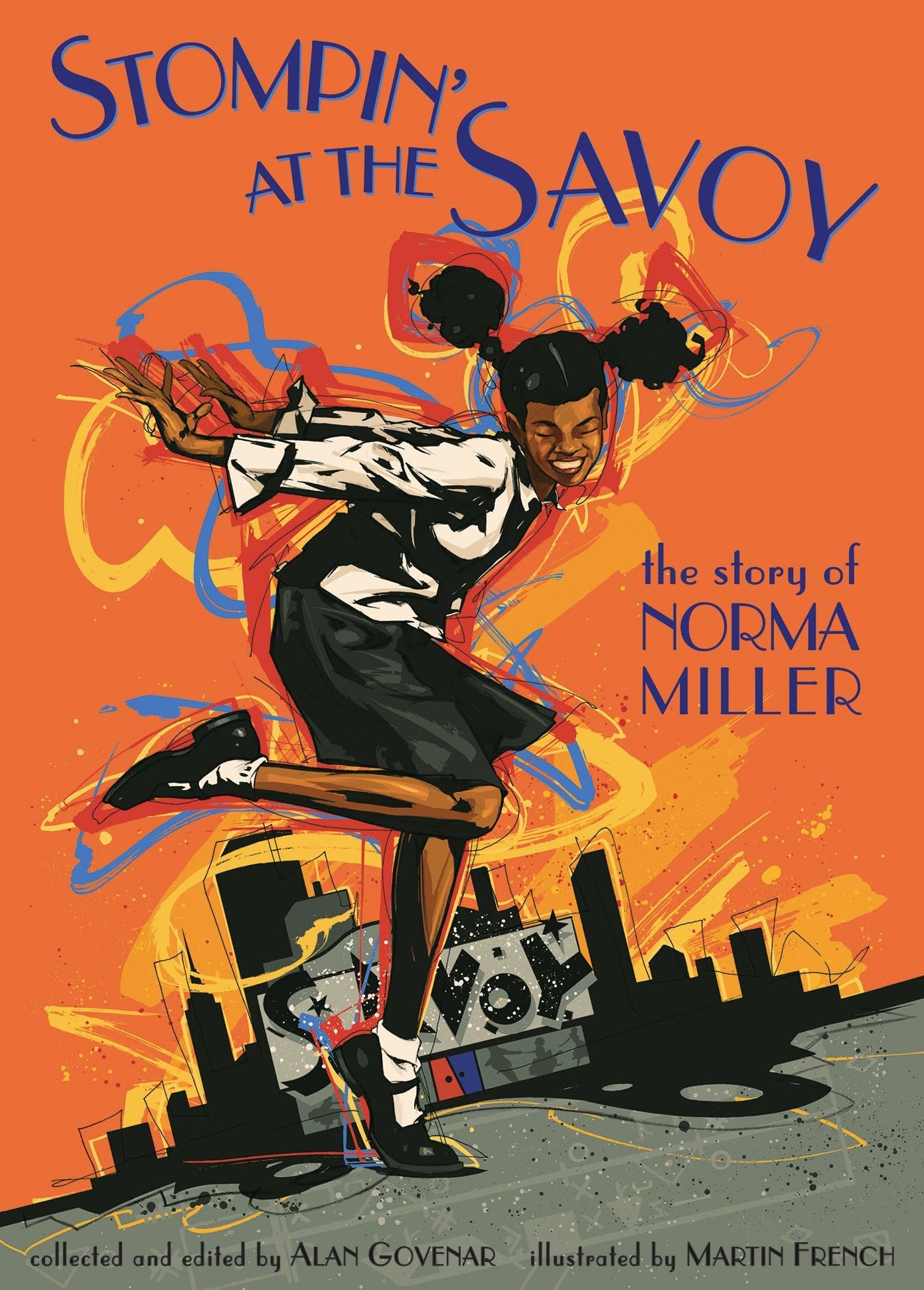



Through extensive interviews with jazz dancer Norma Miller, acclaimed author and filmmaker Alan Govenar captures the vitality, wry humor, and indomitable spirit of an American treasure. When she was just five years old, in 1924, Norma Miller knew just what she wanted to do for the rest of her life: she wanted to dance. It was the Jazz Age, the Harlem Renaissance, and Norma lived behind New York’s Savoy Ballroom, the only dance hall in a still-segregated America where blacks and whites could mingle on the same mahogany floor. It was in this majestic "home of happy feet" that twelve-year-old Norma first brought the house down, swing-stepping with Twist Mouth George, one of the premier dancers of the day. Before long, the feisty Norma would rise to fame as one of the first performers of the Lindy Hop, an acrobatic dance style named for Charles Lindbergh’s first solo flight (or "hop") across the Atlantic. With the celebrated dance troupe Whitey’s Lindy Hoppers, a teenage Norma would cross the Atlantic herself on a tour of Europe and even strut her stuff on the silver screen. In this invigorating, humorous, and thought-provoking oral autobiography, Alan Govenar captures the sound and spirit of Norma Miller’s voice as she recalls her early years and coming of age as a determined young dancer during the heyday of swing. Augmenting her lively narrative are Martin French’s jazzy, singlecolor illustrations, evoking the vibrant style of vintage poster art. Grade 3-6–This autobiography of a Lindy Hopper from the Harlem Renaissance era sizzles with spirit and swings with vitality. Miller was only five when she knew she wanted to be a dancer, and for a time she lived in an apartment behind the famous Savoy Ballroom. Dancing on the street with friends when she was 12, she caught the attention of the ballrooms top dancer, Twist Mouth George, and soon found herself in contests and shows, eventually traveling throughout the U.S. and South America and appearing in movies. Miller tells her story with humor and candor, describing her mothers disapproval and the tensions of life in show business under a manager, as well as the sheer joy she found in swing dancing. She worked with stars such as Ethel Waters and the Marx Brothers, but also experienced the indignities of Jim Crow segregation. Her feisty, independent spirit shapes her narration, making this an entertaining, compelling read. Stylized black-and-white illustrations, produced digitally and in mixed media, nearly swing right off the pages in their exuberant depiction of dancers and scenes from the Harlem Renaissance, many set over an Art Deco motif. Richard Michelsons Happy Feet: The Savoy Ballroom Lindy Hoppers and Me (Harcourt, 2005) depicts the vibrant scene for a younger audience. –Joyce Adams Burner, Hillcrest Library, Prairie Village, KS Copyright © Reed Business Information, a division of Reed Elsevier Inc. All rights reserved. Gr. 5-8. Govenar, a folklorist, has used his conversations with dancer Norma Miller as the basis of this interesting autobiography. He begins by introducing the adult Miller, now in her eighties, who continues to teach, choreograph, dance, and "swing, baby, swing." In a voice as brisk as a dance step, Miller begins at the beginning: her birth, a few months after her father's death, and her mother's struggle to keep the family together. As a kid, Miller did get one break; she lived in Harlem on 140th Street near the Savoy Ballroom, a popular nightspot where blacks and whites danced, and she would dance outside the Savoy for change. By 12, she was dancing inside, and at 15, she was a professional dancer in Europe. Because of the first-person narrative, explanations are not always complete, especially when it comes to the intricacies of dances such as the Lindy Hop. But the pages turn on Miller's energy, and French's sophisticated ink-and-wash art, with a deco sensibility, has both sass and style. Ilene Cooper Copyright © American Library Association. All rights reserved "In this compact, vivid hybrid, Govenar transforms his taped and transcribed interviews with dancer Norma Miller into her account of life as a globe-traveling Lindy Hopper in the 1930s and ’40s. Govenar captures both Miller’s remarkable experiences (including incidents of racism on the road) and her sparkling evocation of American music and dance when swing was king. French’s pictures pull out all the stops: bold, gestural strokes, chiaroscuro, canted perspective and art deco elements rekindle the era’s excitement." — Kirkus Reviews Through extensive interviews with jazz dancer Norma Miller, acclaimed author and filmmaker Alan Govenar captures the vitality, wry humor, and indomitable spirit of an American treasure. Norma Miller got her start as a professional dancer as a teenager, when she was invited to join the swing dance troupe, Whitey’s Lindy Hoppers. By the late 1930s, the Lindy Hoppers were internationally renowned. In 2003, the National Endowment for the Ar