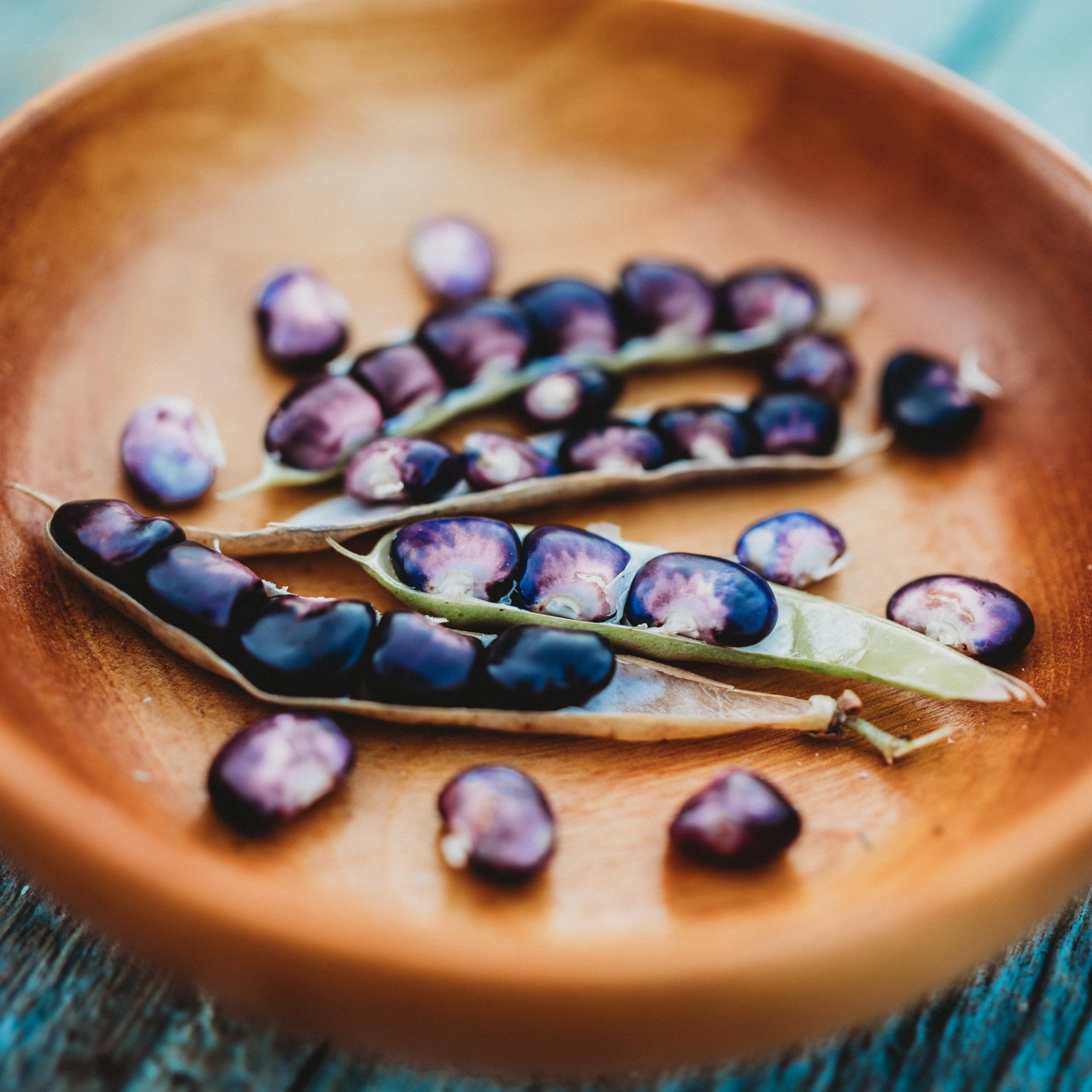
Succotash Bean (Purple Shelling Bean) - 25 Seeds - Unique Native American Pole Bean Variety, Non-GMO, Heirloom Black Bean Seeds for Planting in The
$9.29
by Thresh Seed Co



Purple Succotash - Developed by Narragansett tribe, produces large purple beans resembling corn kernels, used in traditional Native American dishes. Culinary Versatility - Ideal for succotash dishes with bacon or salt pork, suitable for various bean recipes. Educational Value - Great for teaching American history, including the Three Sisters method developed by early Native Americans. Premium Seed - Our GMO-free, chemical-free seeds are regularly tested to ensure superior germination. We specialize exclusively in open-pollinated and heirloom vegetable seeds, treasured for their superior flavor & seed saving value, owing to their long history of pure pollination. With our quality seeds, you can be confident that you are getting safe, reliable vegetable seeds for planting in your home garden. Convenient Packaging - Our durable seed packets protect your vegetable seeds from light and moisture, extending the survival of the seeds by years. Their resealable zipper tops also make for convenient storage and planting. Just a couple of the many reasons why our heirloom seed packets are a must-have for garden seed collections and preparedness seed vaults. Purple Succotash is a rare heirloom variety of dry bean developed by the Narragansett Indian tribe of Rhode Island. Its vigorous pole-type plants produce excellent yields of large, bright purple beans shaped reminiscently like corn kernels. Purported to be the original bean used to make Succotash, the iconic corn and bean dish served by the Wampanoag people at the first Thanksgiving feast, this rare Native American heirloom remains an important living artifact of our national and cultural history. A great variety for teaching children about history and the Three Sisters method. The Succotash bean produces large, plump beans which are often cooked with bacon or salt pork to yield a creamy bean with a comforting, buttery texture. While most famous for corn and bean succotash, these delicious beans are suitable for most any bean dish. They can be harvested while still plump (shelly stage) or alternatively, left to dry down into a nearly black dry bean. Performs well in the north if provided a long enough growing season. Matures approximately 100 days after sowing. Each packet contains a minimum of 25 seeds.