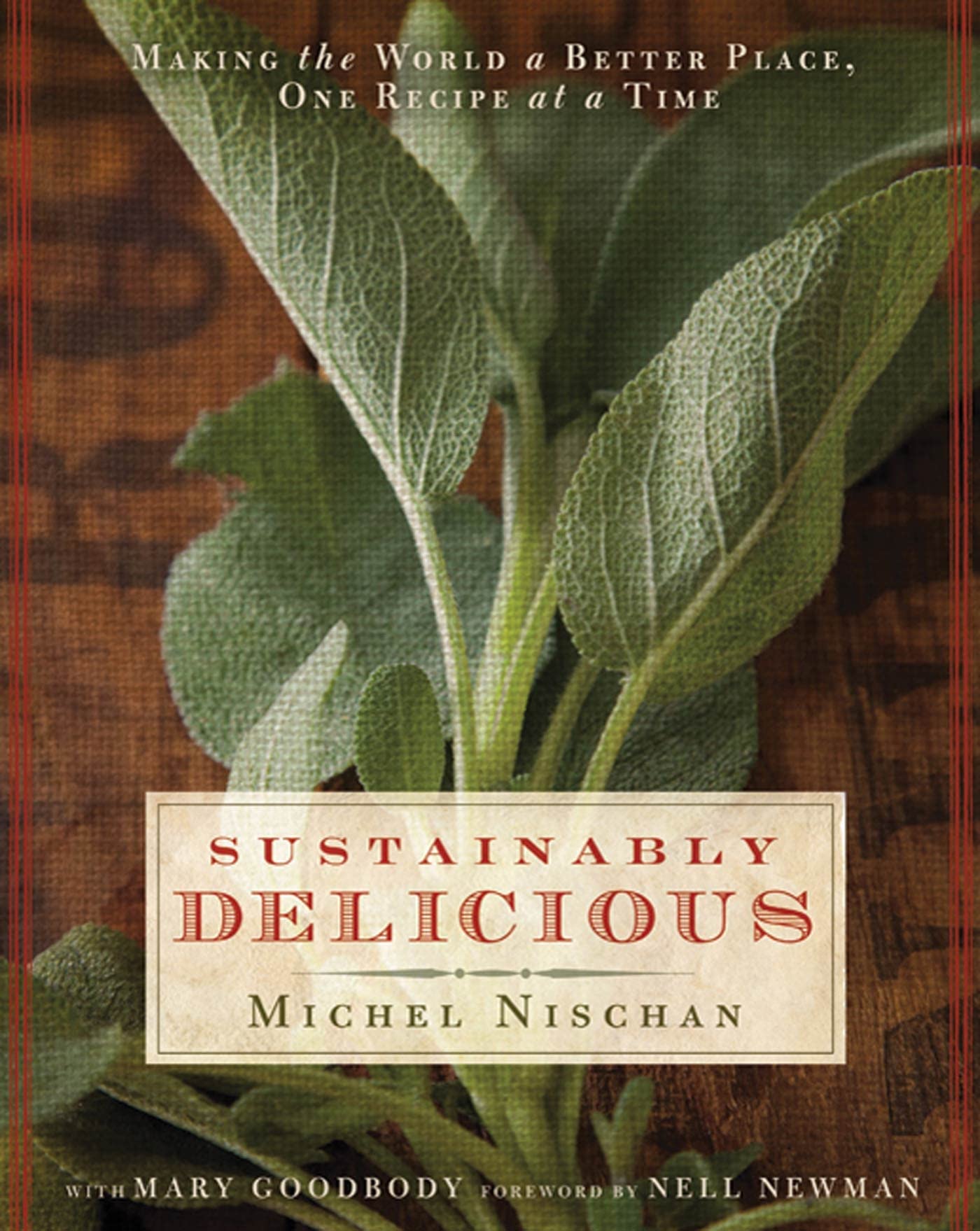
Sustainably Delicious: Making the World a Better Place, One Recipe at a Time
$35.92
by Michel Nischan



More than any other chef at work today, Michel Nischan creates sophisticated, modern food by embracing the food tenets of the past: Use what's readily available, celebrate variety, respect the land, and eschew waste. Whether it's explaining the virtues of secondary meat cuts, which fish are in least danger of overfishing, or how heritage bean and grain varieties help to support biodiversity as well as healthy diets, Sustainably Delicious proves that the most satisfying food comes from a passionate respect for America's culinary and environmental legacy. Many of the recipes reflect Nischan's Midwestern roots and the innate frugality that dictated his family's meals be made with humble, seasonal ingredients. In Nischan's confident hands, simple foods such as barley, celery root, and eggs shine. With recipes such as Heirloom Beet Salad with Savory Marshmallows, Tomato Rice Soup with Braised Beef Shanks, and Leg of Pasture-Raised Lamb Stuffed with Chestnuts and Dried Cranberries, Nischan's approach to farm table cuisine is anything but precious. Michel Nischan is the best-selling author of Taste: Pure and Simple and with Paul Newman cofounded the Dressing Room restaurant in Westport, CT. André Baranowski is a New York-based, award-winning photographer whose work has appeared in a number of books and a wide range of American and European magazines. Chapter 1 The Sustainable Pantry Home cooks have lost the habit of cooking ahead, of setting aside a block of time--perhaps 2 or 3 hours on a weekend afternoon--to cook for the coming week. Not only can this be enjoyable and relaxing, it also sets you up for nutritious and satisfying meals all week long. There are two other benefits to this kind of cooking as well, both of which I particularly champion. First and foremost, it is a good way to bring the family into the kitchen to work together. As a father of five, I know how rewarding this can be. Second, it saves money and valuable resources, something that appeals to every household in these uncertain times. Super- market checkout tallies rise when you buy a lot of packaged, canned, frozen, and processed foods; they decline as you buy food in the most natural condition offered in the market. (Yet another benefit: You'll have less packaging to dispose of.) I am not suggesting you prepare full-blown meals on Sunday afternoon and freeze them. Instead, I urge you to prepare foods that can serve as your own convenience food, the building blocks of quick, nutritious meals. Cook legumes, grains, and vegetables in ways that make them easy to use throughout the week. Make large quantities of stock every now and then, and freeze it for later use in soups, braises, and sauces. Bake a few loaves of bread, and freeze them for sandwiches, French toast, and snacks. If the season is right, put up tomatoes or make jam for future consumption. Believe me, when this kind of cooking becomes part of the family routine, everyone wins. Meals will be more healthful as you rely more on whole grains, roasted fresh vegetables, and legumes and less on convenience and processed foods. You and your kids will come to take pleasure in the time in the kitchen, chopping, measuring, and stirring--all easy and basic cooking chores that nonetheless teach useful life skills. I am not such an idealist that I think every child and every adult will love this idea, but try it before you dismiss it. You may be surprised. We are gung ho about attending every soccer and softball game our kids participate in, and why not? It's fun! I urge you to give equal time to cooking together to feed the family well and do a small part to save the planet at the same time. As you read through the recipes in this chapter, you will note that many are for grains, which are crucial to a healthful diet. I thank the heavens that we've left the foolhardy era of no-carb, low-carb diets behind. Countless studies indicate that complex carbohydrates are essential and that we are genetically hardwired to eat them. The trick is choosing the right carbohydrates. Very few "good carbs" are readily available in the supermarket, where you are more likely to find the highly processed carbohydrates that have added inches to our waistlines over the years. Think high-fructose corn syrup (found in hundreds of products), white bread, white pasta, white rice, and breakfast cereal. Ancient grains like farro were agricultural discoveries that allowed humans to convert from wandering bands of animal-seeking nomads to civilized cultures that could build settlements and eventually towns and states. Known as staples, grains like farro, spelt, rice, wheat, and beans (which I group with grains because of their culinary status, healthful properties, and similar cooking requirements) allowed civilizations to feed growing populations. Ancient grain staples were the very first foods to provide growing cultures with "food security." They can do the same for our families. You will also see a few re