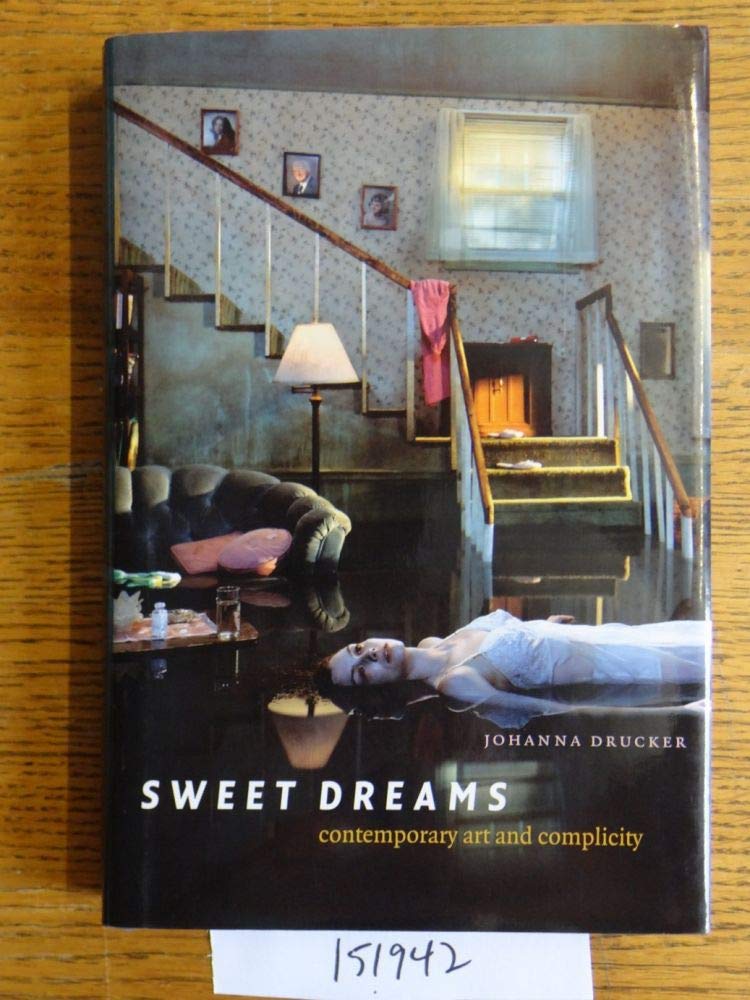



Johanna Drucker's "sweet dream" is for a new and more positive approach to contemporary art. Calling for a revamping of the academic critical vocabulary used to discuss art into one more befitting current creative practices, Drucker argues that contemporary art is fully engaged with material culture—yet still struggling to escape the oppositional legacy of the early twentieth-century avant-garde. Drucker shows that artists today are aware of working within the ideologies of mainstream culture and have replaced avant-garde defiance with eager complicity. Finding their materials at flea markets or exploring celebrity culture, contemporary artists have created a vibrantly participatory movement that exudes enthusiasm and affirmation—all while critics continue to cling to an outmoded vocabulary of opposition and radical negativity that defined modernism's avant-garde. At the cutting edge of new media research, Drucker surveys a wide range of exciting contemporary artists, demonstrating their clear departure from the past and petitioning viewers and critics to shift their terms and sensibilities as well. Sweet Dreams is a testament to the creative processes and self-conscious heterogeneity of art today as well as a revolutionary effort to solicit collaboration that will encourage the production of imaginative thought and contribute to contemporary life. "Drucker treats some of the most controversial and compelling art of the nineties and after to the panoply of available theory, but keeps her heart, ears, and eyes open too. Those who know Drucker's creative artists' books and her long history of attention to the interaction of words and images in her academic writing on post modern art won't be surprised by either the innovative fluidity of her arguments or the range and richness of her sources. This is a subtly theorized, readable, and convincing treatment of some of the most troubling aspects of millennial art." -- Ann Gibson, author of Abstract Expressionism: Other Politics "What a relief to read a release from dogma! Drucker offers an antidote to habitual ways of seeing and critiquing today's art, and in so doing, Sweet Dreams also heals the critic's and the viewer's vision, so that we can see contemporary art and culture for ourselves." -- Joanna Frueh, author of Monster/Beauty and Erotic Faculties Johanna Drucker's sweet dream is for a new and more positive approach to contemporary art. Drucker argues that contemporary art is fully engaged with material culture--yet still struggling to escape the oppositional legacy of the early-twentieth-century avant-garde. She calls for a revamping of the critical vocabulary used to discuss art into one more befitting current creative practices. Drucker shows that artists today are aware of working within the ideologies of mainstream culture and have replaced avant-garde resistance with acknowledged complicity. Finding their materials at malls and superstores or exploring celebrity culture, contemporary artists have created a vibrantly playful attitude towards mass culture--all while critics continue to cling to an outmoded vocabulary of opposition and radical negativity that defined modernism's avant-garde. At the cutting edge of new media research, Drucker surveys a wide range of exciting contemporary artists, demonstrating their clear departure from the past and petitioning viewers and critics to shift their own terms and sensibilities as well. Sweet Dreams is a testament to the creative processes and self-conscious heterogeneity of art today as well as a revolutionary effort to celebrate imaginative, creative thought and the value of art in contemporary life. Johanna Drucker's "sweet dream" is for a new and more positive approach to contemporary art. Drucker argues that contemporary art is fully engaged with material culture—yet still struggling to escape the oppositional legacy of the early-twentieth-century avant-garde. She calls for a revamping of the critical vocabulary used to discuss art into one more befitting current creative practices. Drucker shows that artists today are aware of working within the ideologies of mainstream culture and have replaced avant-garde resistance with acknowledged complicity. Finding their materials at malls and superstores or exploring celebrity culture, contemporary artists have created a vibrantly playful attitude towards mass culture—all while critics continue to cling to an outmoded vocabulary of opposition and radical negativity that defined modernism's avant-garde. At the cutting edge of new media research, Drucker surveys a wide range of exciting contemporary artists, demonstrating their clear departure from the past and petitioning viewers and critics to shift their own terms and sensibilities as well. Sweet Dreams is a testament to the creative processes and self-conscious heterogeneity of art today as well as a revolutionary effort to celebrate imaginative, creative thought and the value of art in contemporary l