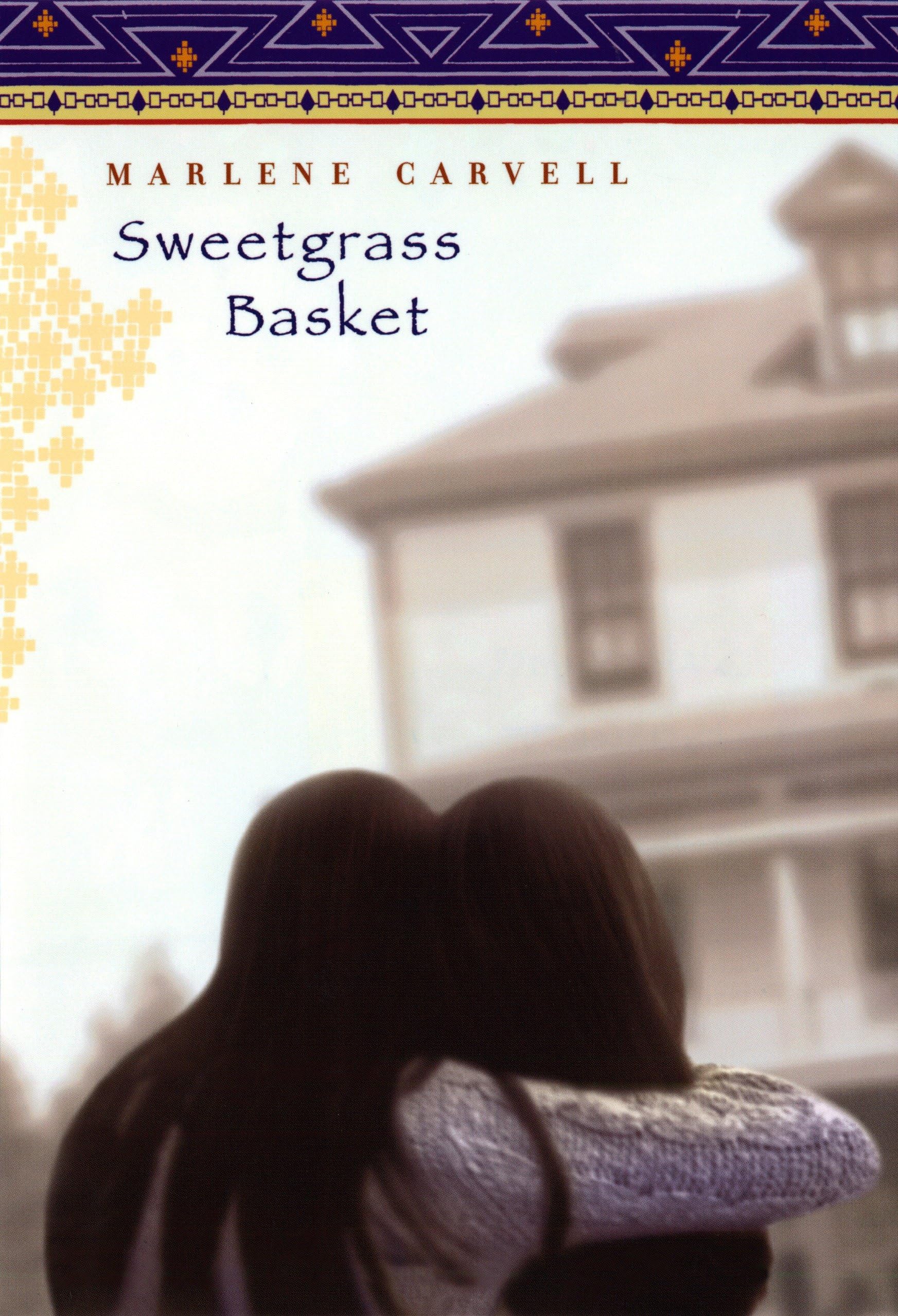



In prose poetry and alternating voices, Marlene Carvell weaves a heartbreakingly beautiful story based on the real-life experiences of Native American children. Mattie and Sarah are two Mohawk sisters who are sent to an off-reservation school after the death of their mother. Subject to intimidation and corporal punishment, with little hope of contact with their father, the girls are taught menial tasks to prepare them for life as domestics. How Mattie and Sarah protect their culture, memories of their family life, and their love for each other makes for a powerful, unforgettable historical novel. Grade 5-8–In alternating free verse, two Mohawk sisters tell of their lives at the Carlisle Indian School near the turn of the 20th century. Carvell uses the experiences of her husband's family, and research from the Cumberland County Historical Society, to relate the stories of Mattie and Sarah. After their mother's death, their father sadly dispatches them to the boarding school, where the siblings cling to their language and a few precious items as the rest of their culture is stripped away from them. They long for family, for friendship, and for home, but their attempts to obtain any of these things result in a tragic and true-to-life ending. The inner-thought narratives allow readers to connect with the characters. Though the voices are nearly identical, making it difficult sometimes to tell the girls apart, and the voice of African-American Mr. Davis is awkwardly and inconsistently colloquial, Carvell has put together a compelling, authentic, and sensitive portrayal of a part of our history that is still not made accurately available to young readers. All libraries will want this title on their shelves. –Nina Lindsay, Oakland Public Library, CA Copyright © Reed Business Information, a division of Reed Elsevier Inc. All rights reserved. *Starred Review* Gr. 7-10. Mattie and Sarah try to be good when their father, a Mohawk, sends them to Pennsylvania's Carlisle Indian Boarding School at the turn of the twentieth century. He believes it's best, but the children suffer cruel abuse. Mattie, falsely accused of stealing, is beaten and publicly shamed, and things only get worse. The sisters tell their story in alternating first-person, free-verse narratives, which reveal their close bond, their longing for home, and the vicious pressure to assimilate (Mrs. Dwyer says, "if we work hard, we will be as good as white people"). A few adults are kind, and the sisters make new friends, but the vicious school director encourages bullying and betrayal. The girls' voices sometimes sound similar, but different typefaces make it easy to tell who is speaking, and readers will be deeply moved by the sisters' loving connection in a world of cruel authority. Carvell based the story on the experiences of the members of her husband's Mohawk family, four of whom attended Carlisle. The gripping drama of displacement and forced assimilation has much in common with some of the immigration stories reviewed elsewhere in this issue (see the Immigration Spotlight section, beginning on p.1955). Hazel Rochman Copyright © American Library Association. All rights reserved "[R]eaders will be deeply moved by the sisters’ loving connection in a world of cruel authority….[A] gripping drama of displacement and forced assimilation…." -Booklist, starred review Marlene Carvell is an author and former teacher from New York State.