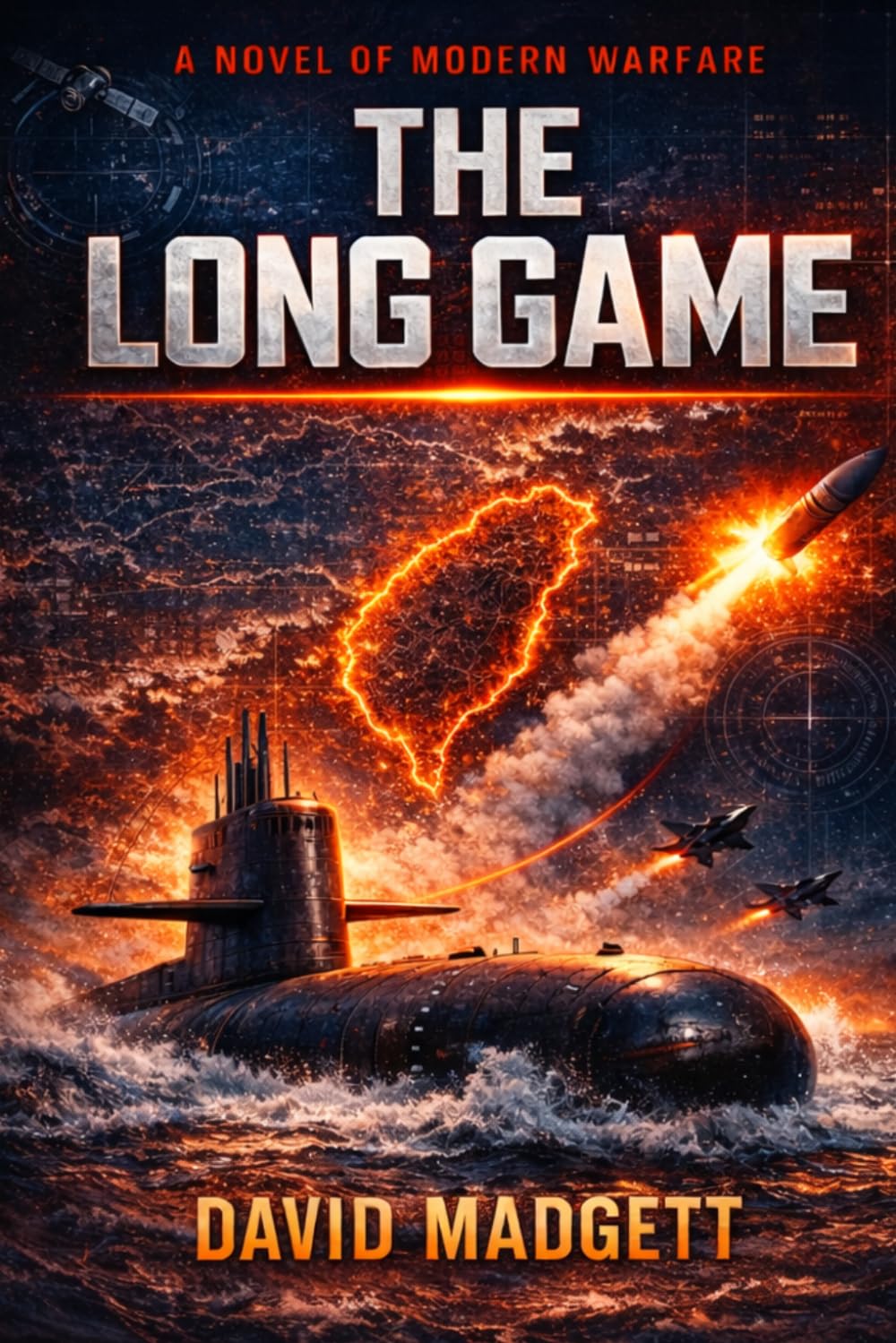



When China prepares to invade Taiwan, one American admiral devises a strategy that could prevent World War III — if it doesn't start one first. A top-secret NSA intercept reveals the unthinkable: China is planning a full-scale amphibious invasion of Taiwan within the year. With 400,000 troops mobilizing, 1,200 ballistic missiles aimed across the Strait, and a naval armada unlike anything seen since D-Day, the clock is ticking toward the largest military confrontation since World War II. Secretary of Defense Robert Caldwell and Admiral James Hawthorne know a direct naval engagement in the Taiwan Strait would be catastrophic for both sides. Instead, they propose a breathtaking gamble — the Anaconda Strategy. Rather than confront China head-on, they will strangle its ability to wage war by cutting off its oil supply, dismantling its global alliance network, and exploiting the one vulnerability Beijing cannot fix in time: energy dependence. From the jungles of Venezuela to the depths of the Persian Gulf, from a covert raid in Cuba to a deadly submarine pursuit beneath Arctic ice, American forces execute a chain of operations designed to tighten the noose around China's war machine before the first shot is fired across the Taiwan Strait. But the Anaconda Strategy carries a terrible price. Provoking Iran closes the Strait of Hormuz and sends oil prices soaring worldwide. Russia sees opportunity in the chaos. And when China accelerates its invasion rather than back down, the very war the strategy was designed to prevent erupts with devastating fury. Told through an ensemble of unforgettable characters — a brilliant CIA analyst, a submarine commander, a fighter pilot, a SEAL operator, and the Chinese general who knows his nation is walking into a trap — THE LONG GAME is a sweeping, technically authentic thriller about the real-world flashpoint that keeps Pentagon planners awake at night. In the tradition of Tom Clancy's Red Storm Rising, this is modern warfare rendered in gripping, immersive detail — where victory is measured not in battles won but in how much you can afford to lose.