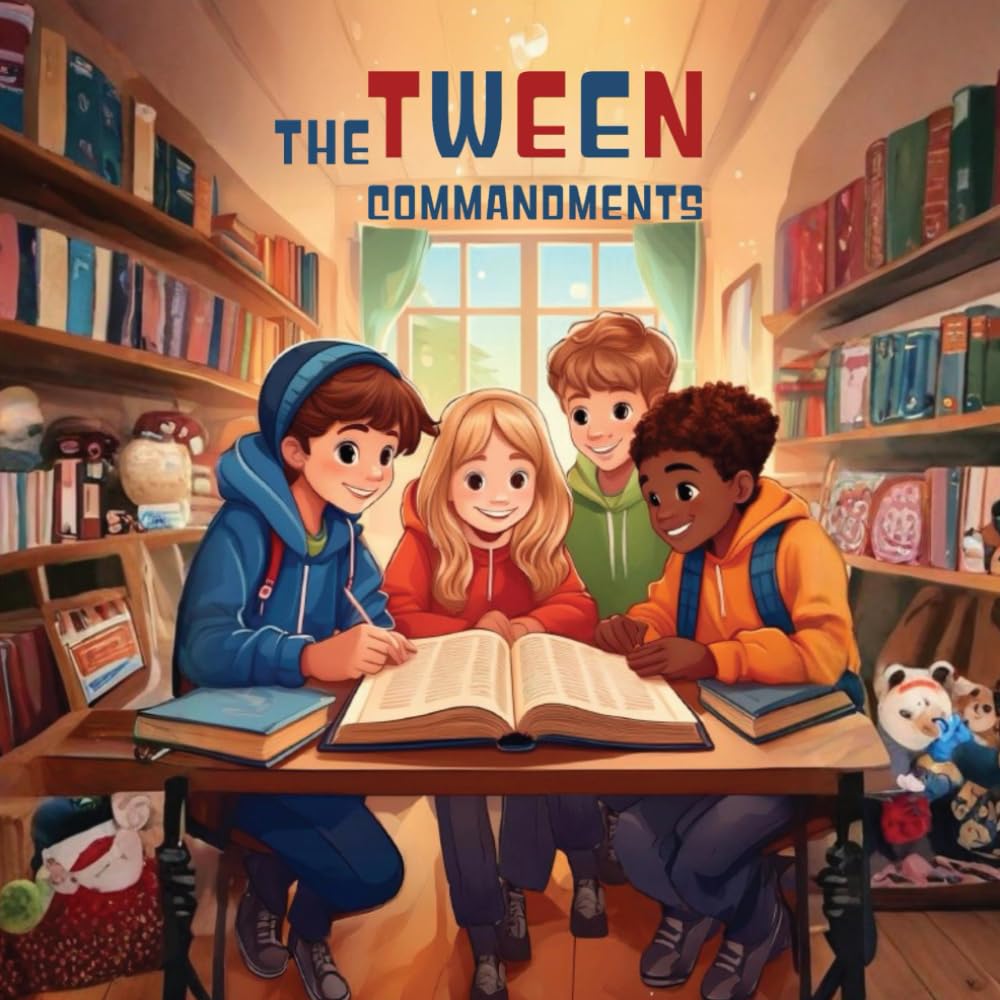
THE TWEEN COMMANDMENTS: Christian Devotional for Ages 8–13 to Understand God’s Word, Strengthen Character, and Grow Closer to Him Every Day |8.5 x 8.5
$14.99
by Norina Purro



1. Builds a Moral Foundation Helps tweens (ages 8–13) understand right vs. wrong through biblical principles. - Reinforces values like honesty, respect, and responsibility in a relatable way. - Lays the groundwork for future ethical decision-making. 2. Makes Faith Practical Connects ancient commandments to modern life situations (social media, school, friendships). - Shows how God’s rules are still relevant today. - Encourages tweens to apply faith daily , not just on Sundays. 3. Develops Critical Thinking Invites tweens to ask questions and explore why God’s rules matter. - Encourages reflection about choices, actions, and consequences . - Promotes healthy discussion with parents, teachers, or youth leaders. 4. Strengthens Identity and Confidence Helps tweens see themselves as God’s children with purpose and value . - Builds inner confidence by knowing they’re guided by clear moral truths. - Counters peer pressure by grounding them in faith-based decision making . 5. Opens Family and Church Conversations Gives parents and leaders tools to teach biblical lessons in a tween-friendly way. - Creates shared learning moments for families or youth groups. - Sparks meaningful discussions about faith and behavior . 6. Encourages Engagement Through Creativity When written for tweens, it can include stories, journaling prompts, activities, and humor . - Makes learning the Ten Commandments interactive and memorable . - Keeps tweens interested and motivated to live out what they learn. 7. Prepares for Teen Years Equips tweens with moral resilience before they face bigger challenges. - Serves as a bridge between children’s Bible lessons and teen devotionals . - Encourages personal ownership of faith at a key developmental age.