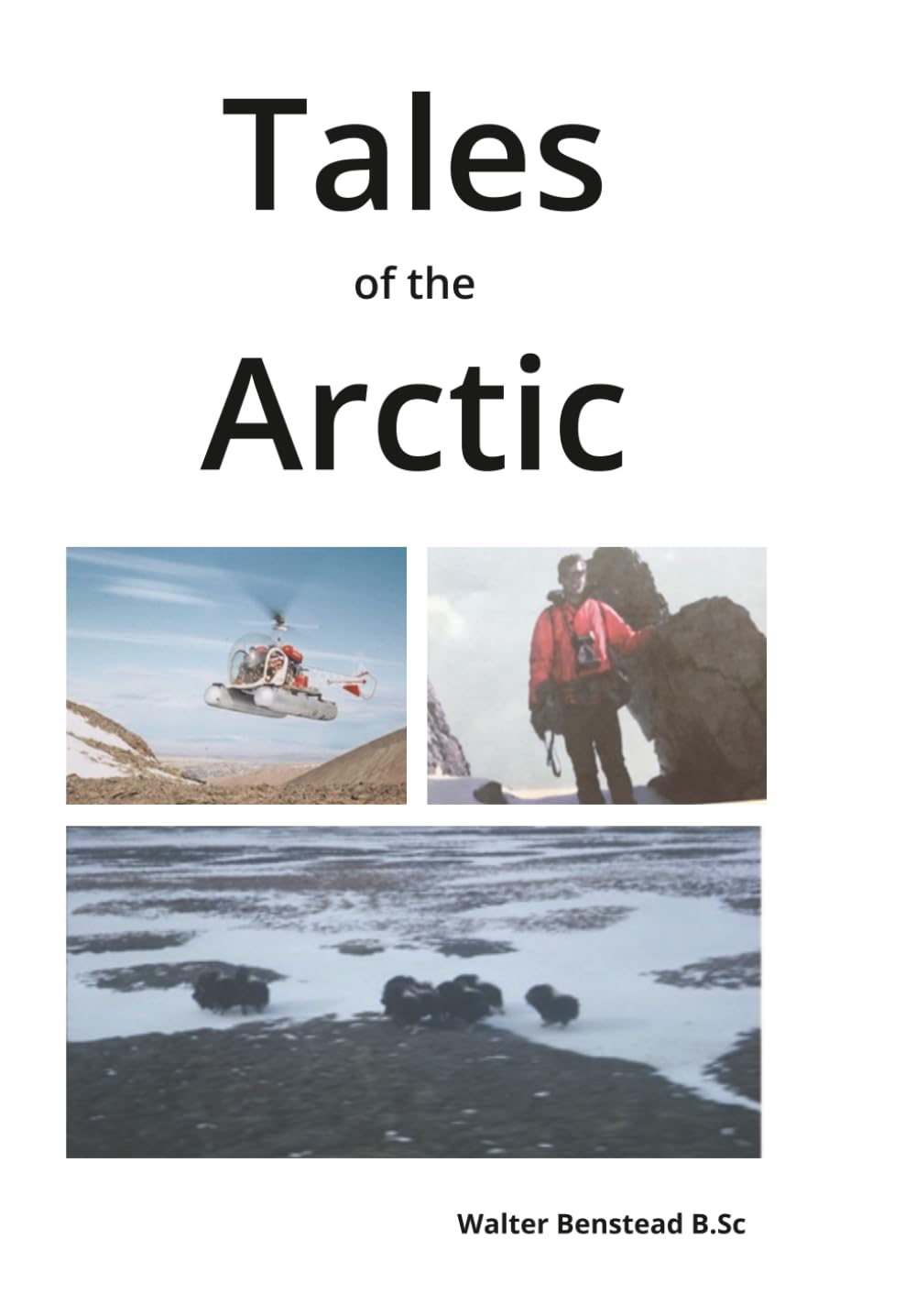



The exposed surface geology of the Arctic Islands has to be one of the wonders of the world. The first really striking feature is the Parry Islands Fold Belt on southern Melville Island. It is a magnificent record of upfolded and downfolded 400 million year old sandstones, siltstones and shales. Walking down the center of an upfolded or anticlinal segment one sees rock units on one side dipping north and the other side dipping south. The really neat thing is that on photogeology one sees alternating bands of younger and older sediments with the older Weatherall Formation exposed at the upfolded peaks and the younger Griper Bay Formation in down folded. At the north of Melville you see an onlapping of flatter lying rock units first of 260 million year old Permian Age marine sandstones and then the 160 -200 year old Jura-Cretaceous sandstones and shales. The Permian sandstones proliferate with Brachiopod shells, an assemblage of 260 yr old warm water marine fauna comparable to Svalbard Norway. All of this is an in your face lesson in geology beyond any textbook or college class. The books objective is to share this experience with you. Geology was the purpose of the expeditions but there was so much more to experience. The amazing wildlife, the Musk Ox, the Cariboo and the prolific Arctic Hare all creatures of amazing resilience and endurence addeded another element. The uncluttered vistas and terrain of mountains rising up out of the azure blue ice and white snow of the frozen arctic ocean are mind boggling and I would hope my pictures convey this majesty. The logistics of getting around in a challlenging landscape where the only transportation is small aircraft and helicopters is also an element. The diverse stories of people from very different backgrounds thrown together in a very isolated tent camp is also part of this story. I have a degree in geology and have worked in oil and gas resource development for 40 years. I have monitored oil drilling in North Africa. I have via subsurface geology delineated and developed oil fields in Alberta, Saskatchewan and Australia. The majesty of the Arctic Islands overwhelms it all. Resource potential and economic benefit is indicated. It should be addressed, developed and moved forward for the benefit of the local Indigenous people, the North and Canada at large. This must be done in partnership with those who are there and know the land. The environment is both magnificent and fragile. Economic benefit can certainly occur without jeopardizing that.