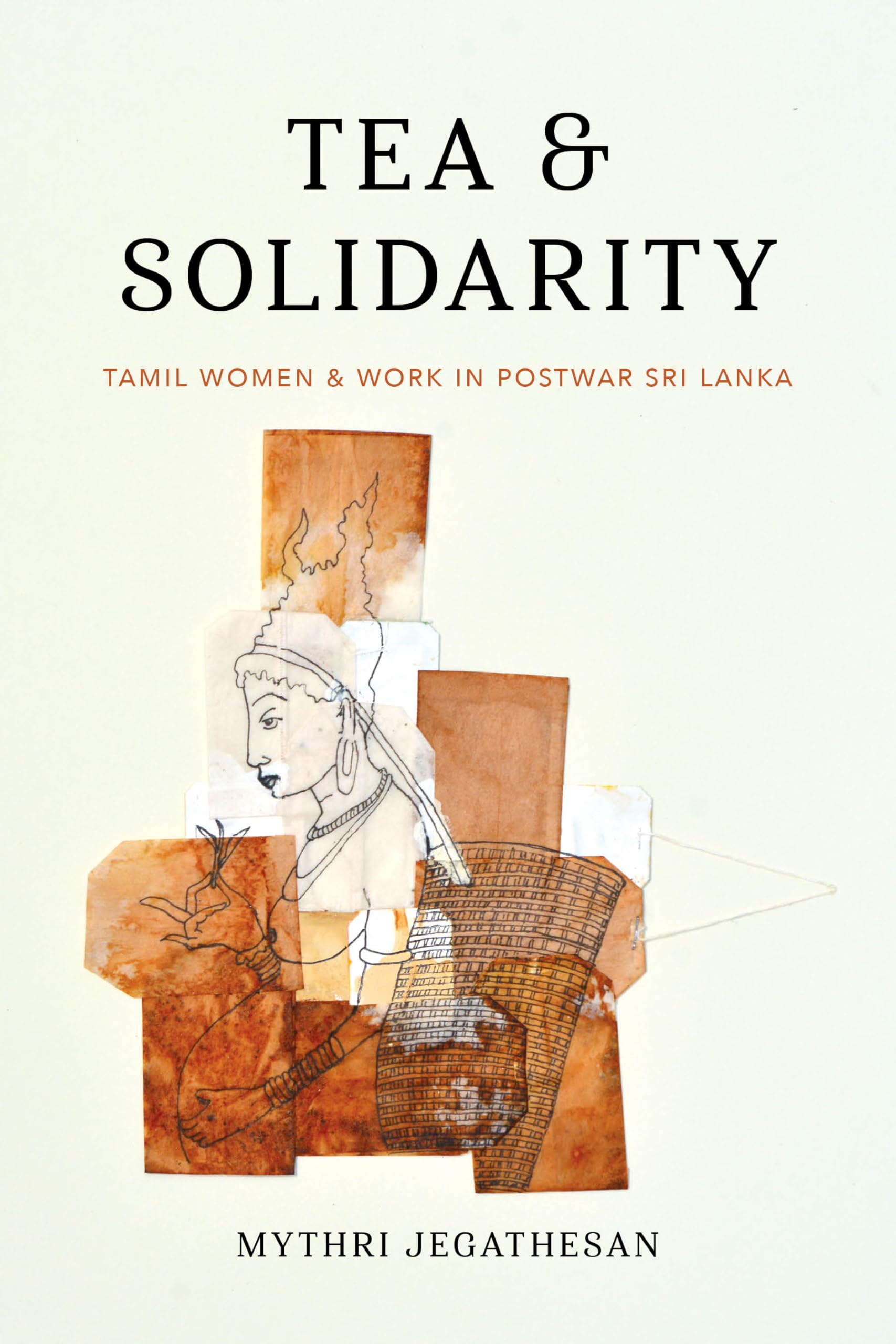
Tea and Solidatity: Tamil Women and Work in Postwar Sri Lanka (Decolonizing Feminisms)
$30.00
by Mythri Jegathesan



Beyond nostalgic tea industry ads romanticizing colonial Ceylon and the impoverished conditions that beleaguer Tamil tea workers are the stories of the women, men, and children who have built their families and lives in line houses on tea plantations since the nineteenth century. The tea industry’s economic crisis and Sri Lanka's twenty-six year long civil war have ushered in changes to life and work on the plantations, where family members now migrate from plucking tea to performing domestic work in the capital city of Colombo or farther afield in the Middle East. Using feminist ethnographic methods in research that spans the transitional time between 2008 and 2017, Mythri Jegathesan presents the lived experience of these women and men working in agricultural, migrant, and intimate labor sectors. In Tea and Solidarity , Jegathesan seeks to expand anthropological understandings of dispossession, drawing attention to the political significance of gender as a key feature in investment and place making in Sri Lanka specifically, and South Asia more broadly. This vivid and engaging ethnography sheds light on an otherwise marginalized and often invisible minority whose labor and collective heritage of dispossession as “coolies” in colonial Ceylon are central to Sri Lanka’s global recognition, economic growth, and history as a postcolonial nation. "Beautiful, brutal, powerful and poignant, Tea and Solidarity must be read by anyone who is concerned with the contemporary conditions of quotidian slow violence. Mythri Jegathesan's extraordinary book blends historical materials with ethnography to craft stories around those whose lives and deaths evade the usual record."―Geeta Patel, author of Risky Bodies and Techno-Intimacy "Using compelling stories, impressive fieldwork, and thorough archival research, Mythri Jegathesan explores the desires of contemporary plantation workers and their efforts to pursue social and economic dignity."―Caitrin Lynch, author of Juki Girls, Good Girls: Gender and Cultural Politics in Sri Lanka's Global Garment Industry "Examines the lives of women residing (and often working) on tea plantations in Sri Lanka’s central highlands, with emphasis on how the prevailing cultural norms and labor relations limit and disempower them."―Michele Gamburd, author of The Golden Wave: Culture and Politics after Sri Lanka's Tsunami Disaster "With clear, heartfelt prose, methodological imaginativeness, and careful attention to intersecting axes of power and distinction, this book not only makes essential contributions to the fields of anthropology and gender studies but also to scholars interested in South Asia, decoloniality, and ethical research methods."― New Books in Anthropology (NBN) "This vivid ethnography lifts the veil on a community that has been marginalised and invisibilized but whose labor and contributions are central to make sense of SL’s global recognition as a leading tea exporter that has contributed greatly to the country’s economic growth and history as a post-colonial state in SA."― Lekh " Tea and Solidarity reinvigorates conversations in feminist political economy and presents an exciting and inspiring example of the richness of the anthropologyof work today."― Anthropology of Work Review " Tea and Solidarity is an excellent read and provokes an engagement with such issues as positionality, situated knowledge, ethical responsibilities as researchers, and more importantly the transformative potential of transnational rights-based interventions. By focusing on ‘how gender, work and value making shape Hill-Country Tamil Women’s lives’, Jegathesan shifts the terms of feminist engagement to stand in solidarity with them."― Gender, Place & Culture "[A]n insightful, rich ethnography, which stands as an original contribution to the plantation as an object of anthropological inquiry."― Journal of the Royal Anthropological Institute Mythri Jegathesan is assistant professor of anthropology at Santa Clara University.