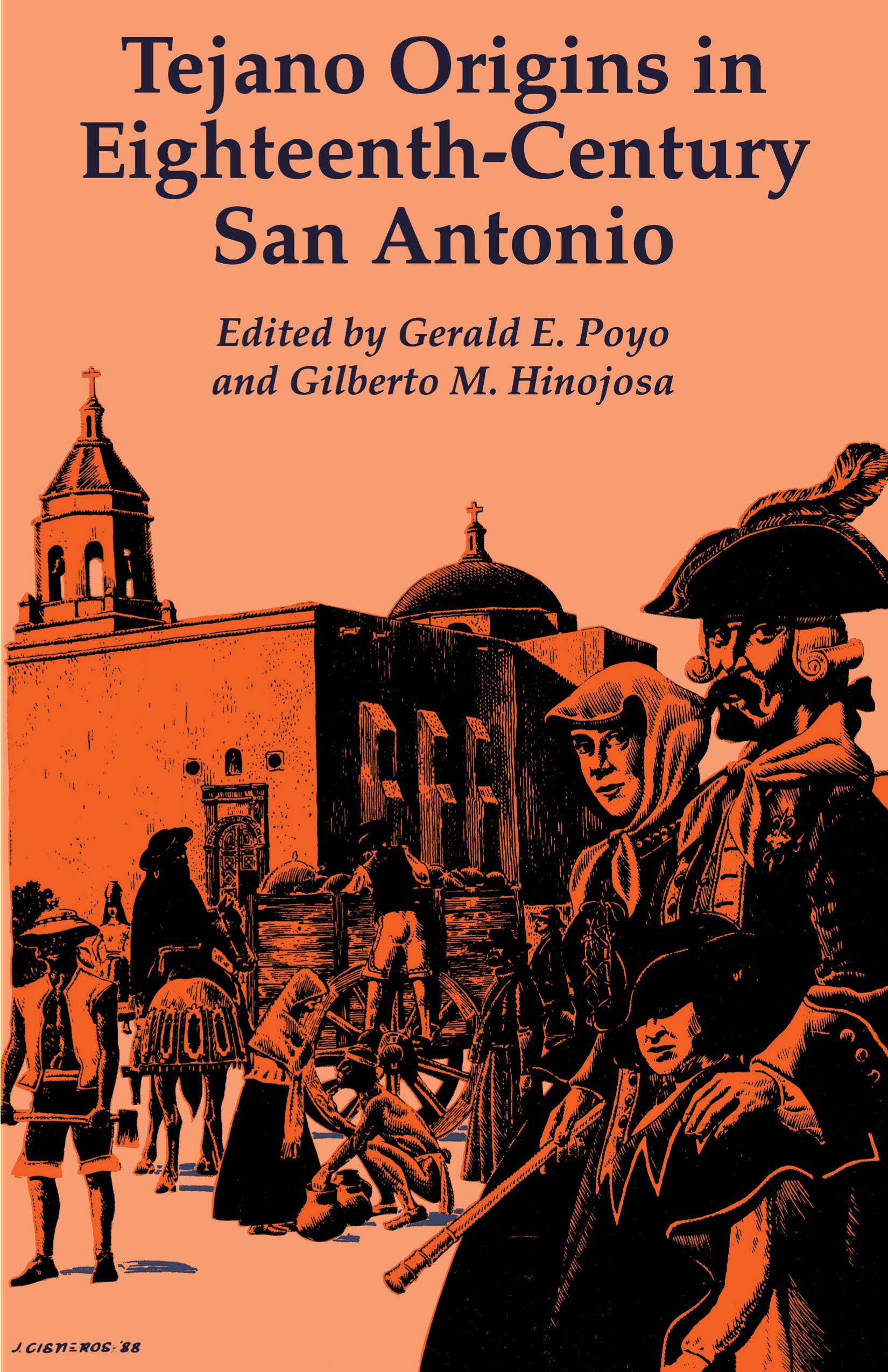



Since its first publication in 1991, this history of early San Antonio has won a 1992 Citation from the San Antonio Conservation Society and a Presidio La Bahía Award from the Sons of the Republic of Texas. An absorbing social history of the lives of the intrepid settlers who rallied around their traditional institutions—mission centers, municipalities, and the military arm of the crown—to secure the northernmost frontier of New Spain and to convert the land, as much as they were capable, into a productive segment of the empire.... This volume merits a wide audience especially among social scientists engaged in providing meaning to the Mexican American community in Texas. ― New Mexico Historical Review The exploration of the interrelationships among soldiers, civilian settlers, missionaries, and Indians in the San Antonio area is of special significance. This provides a refreshing approach for the study of early borderlands history, transcending the tendency among some historians to study these groups in isolation. ― Journal of Texas Catholic History and Culture An absorbing social history of the lives of the intrepid settlers who rallied around their traditional institutions—mission centers, municipalities, and the military arm of the crown—to secure the northernmost frontier of New Spain and to convert the land, as much as they were capable, into a productive segment of the empire.... This volume merits a wide audience especially among social scientists engaged in providing meaning to the Mexican American community in Texas. ― New Mexico Historical Review The exploration of the interrelationships among soldiers, civilian settlers, missionaries, and Indians in the San Antonio area is of special significance. This provides a refreshing approach for the study of early borderlands history, transcending the tendency among some historians to study these groups in isolation. ― Journal of Texas Catholic History and Culture 'The exploration of the interrelationships among soldiers, civilian settlers, missionaries, and Indians in the San Antonio area is of special significance. This provides a refreshing approach for the study of early borderlands history, transcending the tendency among some historians to study these groups in isolation.' Journal of Texas Catholic History and Culture Gerald E. Poyo is a professor of history at St. Mary's University. Gilberto Hinojosa is a professor emeritus of history at University of the Incarnate Word.