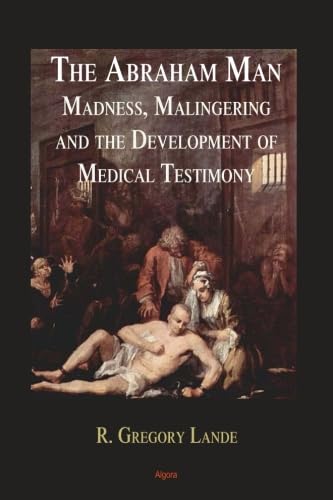



The Abraham Man: Growth and Development of Forensic Psychiatry by Dr. R. Gregory Lande offers a fascinating exploration into the intersection of medicine, law, and mental health. The book traces the evolution of forensic psychiatry in the United States, drawing readers into the world of 19th-century legal trials, mental health practices, and the curious phenomenon of the "Abraham Man." This term refers to individuals who feigned insanity in legal settings, a practice that created confusion but also pushed doctors and lawyers to refine their approaches in both medical and legal contexts. A Historical Journey Through Legal and Medical Practice: At its core, The Abraham Man delves into the relationship between the medical and legal professions during the 19th century, particularly in the post-Civil War era. The book showcases how some of the most famous legal cases in American history were influenced by issues of mental health, leading to new standards in forensic psychiatry. Dr. Lande masterfully brings to life forgotten legal cases, recounting the antics of those who pretended to be insane, individuals known as "Abraham Men"—and the challenges they posed to doctors and lawyers of the time. The detailed storytelling provides readers with a front-row seat to notable cases that contributed to shaping modern mental health care and legal practices. By examining the careers of prominent Civil War surgeons and their transition into mental health care, the book highlights how these individuals helped lay the foundation for the field of forensic psychiatry. The Asylum Movement and Its Impact on Mental Health Care: The Abraham Man also explores the rise and fall of the asylum movement. Once seen as a promising solution for mental health care, asylums became central to the debate over how to manage mental illness. Dr. Lande examines the politics, promises, and eventual decline of institutional mental health care, offering a comprehensive look at how societal attitudes towards mental illness evolved over time. Through this analysis, readers will gain an understanding of how mental health treatment shifted from institutionalization to more modern approaches. The asylum movement’s trajectory also reflects the broader political and social influences on health care systems. The Development of Forensic Psychiatry and Legal Medicine: One of the most compelling aspects of The Abraham Man is its examination of how the collaboration between doctors and lawyers in the 19th century helped create the field of forensic psychiatry. As medical practitioners were called upon to testify in legal cases, they developed techniques to diagnose malingering, often using tools that served as the forerunners of today’s diagnostic technologies. A Valuable Resource for History Enthusiasts and Professionals: The Abraham Man appeals to a wide range of readers, including legal professionals, doctors, historians, and Civil War enthusiasts. Dr. Lande’s use of primary source documentation lends the book a scholarly rigor, while his engaging narrative ensures that the content remains accessible to a general audience. For medical history buffs, this text offers an in-depth look at the evolution of diagnostic tools and forensic techniques used to detect mental illness. Lawyers and psychologists alike will find it a valuable reference for understanding the origins of modern legal-medical practice. Conclusion: A Look into the Past that Resonates Today: The Abraham Man is an insightful and authoritative work that chronicles the intertwined history of mental health, law, and medicine. With its compelling historical cases, the book reveals how the antics of the Abraham Men paradoxically advanced the fields of forensic psychiatry and legal medicine. For anyone interested in the history of mental health care, legal systems, or the Civil War era, this book is an essential read that sheds light on the foundational moments of forensic psychiatry and mental health diagnostics. Dr. Lande is a forensic psychiatrist. A retired colonel from the US Army Medical Corps, he is the author of numerous medical and historical articles, chapters, and books.