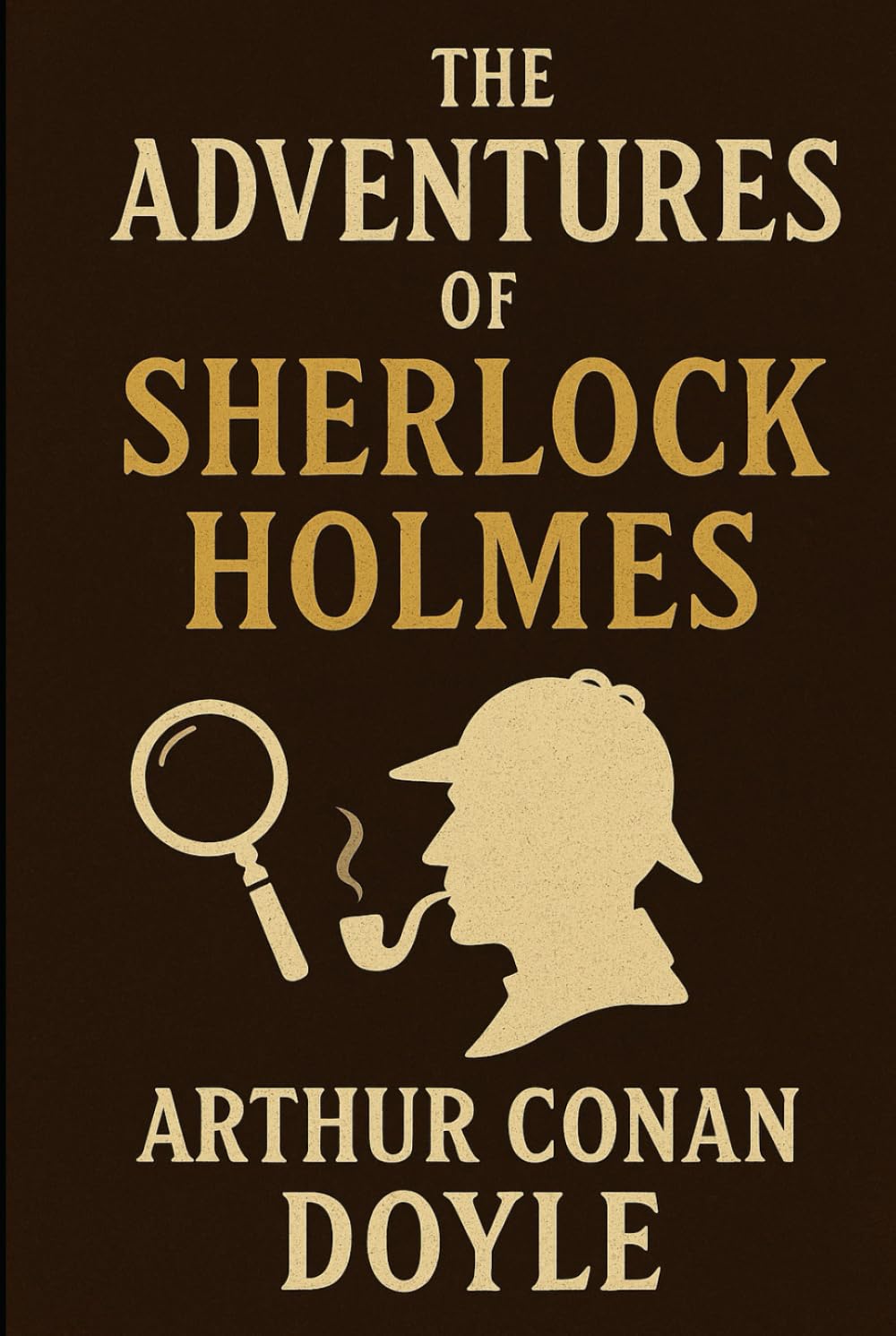
The Adventures of Sherlock Holmes (Annotated): Twelve Classic Victorian Mysteries - With Cultural Insights, Context and Commentary Guides
$22.80
by Sir Arthur Conan Doyle



Classic Victorian mysteries, modern mischief — Sherlock Holmes with a side of commentary. This isn’t just another reprint of The Adventures of Sherlock Holmes . It’s the original text — untouched — but with a full companion guide by author Lucas Brentwood, offering reflections, annotations, and cultural notes that bring Doyle’s world vividly to life. What makes this edition unique: Original text of all twelve Holmes stories, faithfully reproduced. - Character descriptions that look at who they are — and what they symbolise. - Story-by-story glossaries of Victorian slang, foreign words, and odd turns of phrase. - Motif maps tracing the images and patterns (disguises, houses, animals) across the tales. - Themes & symbolism explored in a conversational, sometimes playful commentary style. - Cultural & historical context notes explaining how the stories resonated with Victorian readers. - Innovations Doyle introduced to the detective genre, and why they stuck. - Reception & legacy , from 1890s mania to modern adaptations. - Locations & settings described as cultural markers, turning Baker Street and beyond into living backdrops. Step back into foggy London streets, hansom cabs rattling over cobbles, where pawnbrokers’ shops hide tunnels and suburban villas conceal sinister machinery. Doyle’s stories are here in their sharp, original form — quick, ingenious, addictive. But this edition also shines a light on the world around them: the anxieties of empire, the fragility of respectability, the stirrings of women’s independence. Lucas Brentwood writes not like a lecturer but like a reader in the margins — sometimes admiring, sometimes sardonic, occasionally amused at Victorian oddities. It’s commentary with personality: uneven rhythms, jokey asides, and the kind of quirks you’d miss if no one pointed them out. Whether you’re new to Sherlock Holmes or revisiting him for the tenth time, this companion edition offers both the thrill of the chase and the pleasure of context. A book to read, reread, and argue with — as Doyle himself might have liked.