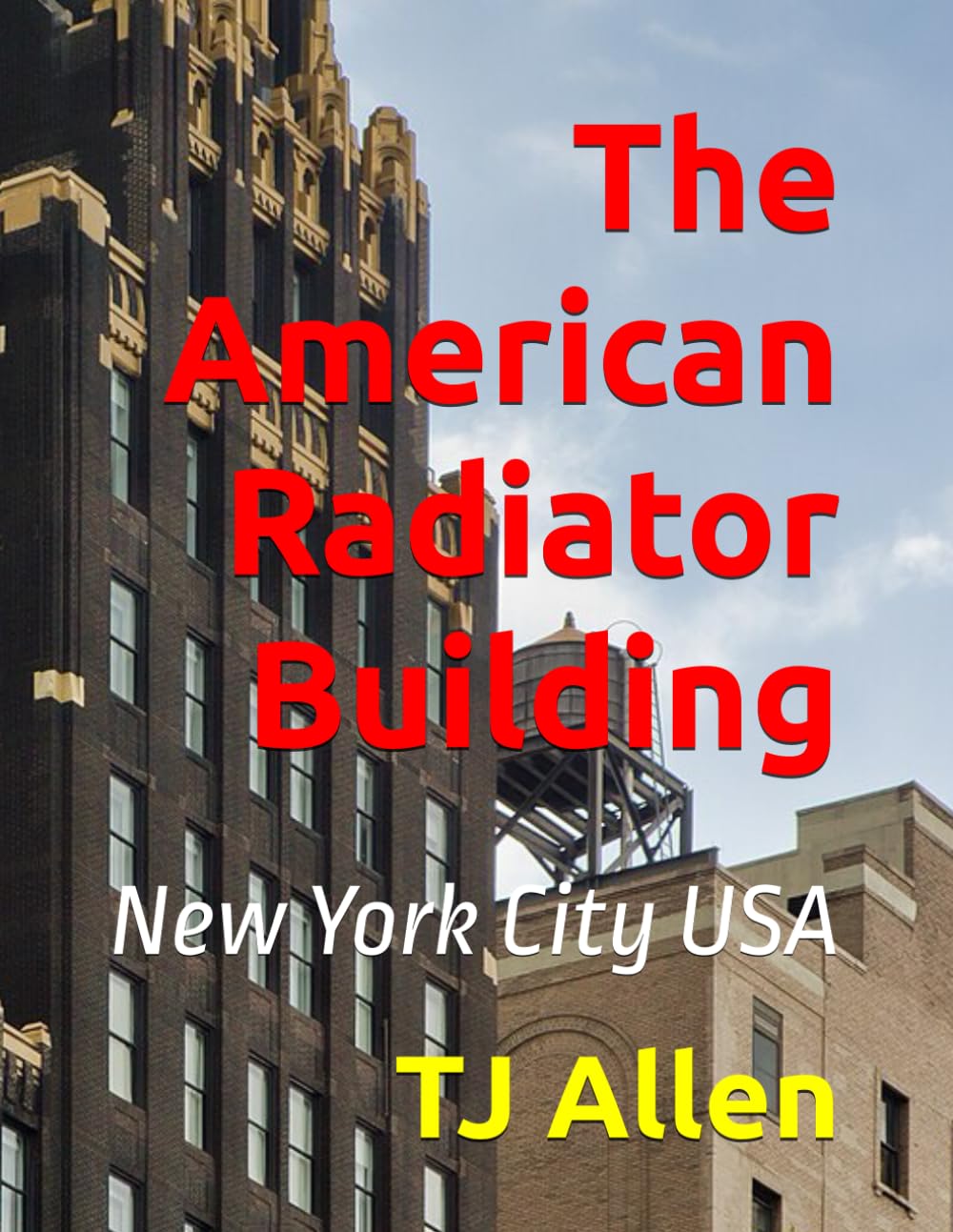



The Glow That Wouldn’t Go Out There’s a moment, walking through Bryant Park at dusk, when the city forgets to be cynical. The towers turn from mirrors to lanterns, and one in particular — black as obsidian, crowned in gold — begins to hum. It’s not the hum of electricity or traffic or time; it’s the quiet pride of an era that believed even a radiator company could look like a cathedral. The American Radiator Building doesn’t simply occupy space; it performs it. It’s Manhattan’s original stage light — dramatic, defiant, and slightly self-aware. When Raymond Hood designed it in 1924, America was halfway between faith and fluorescence. Factories were the new temples, engineers the new priests, and beauty was measured in lumens. Hood didn’t build a skyscraper; he built a metaphor that glows. Those black bricks — coal made architectural — absorb daylight like secrets, and the golden crown releases them at night as confession. It’s the skyline’s version of transmutation: base material becoming revelation.