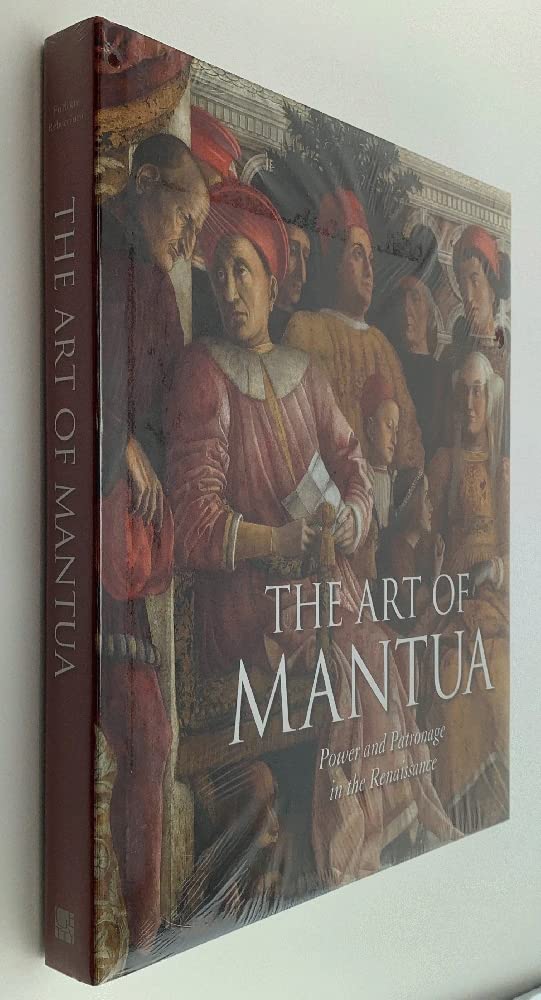



This book traces the rich history of the northern Italian city of Mantua, from its mythic origins in Dante's Inferno , to its cultural heyday during the Renaissance under the patronage of the powerful Gonzaga family, to its eventual decline and annexation by the Austro-Hungarian Empire. The fortunes of Mantua rose and fell with those of the Gonzaga family, who ruled as imperial vicars from the fourteenth to the early seventeenth century. They transformed the city into a major cultural center by commissioning works from the master architects and artists of the day such as Leon Battista Alberti, Giulio Romano, Titian, Rubens, and Guercino. However, Andrea Mantegna--who served as the court painter from 1460 to 1506 and whose technical mastery revolutionized painting--is the artist most identified with the city. Although most of Mantua's artistic treasures were sold or claimed as war spoils upon the decline of the Gonzaga family, the rich cultural legacy of this fascinating city lives on in the collections of many of the world's premier museums. "The city of Mantua in northern Italy has a rich and varied cultural history. In this well-researched book, Furlotti and Rebecchini cover the history of its art and culture from its rise under the Gonzaga family to the city's demise as a cultural center during the 17th century.... This scholarly and informative book, replete with beautiful color reproductions, is recommended."-- Library Journal A gorgeously illustrated history of one family's quest to make Mantua a leading artistic center in Renaissance Italy Barbara Furlotti has collaborated on numerous research projects and publications on sixteenth- and seventeenth-century Italian art. Guido Rebecchini teaches the history of collecting in the Arezzo faculty of the University of Sienna.