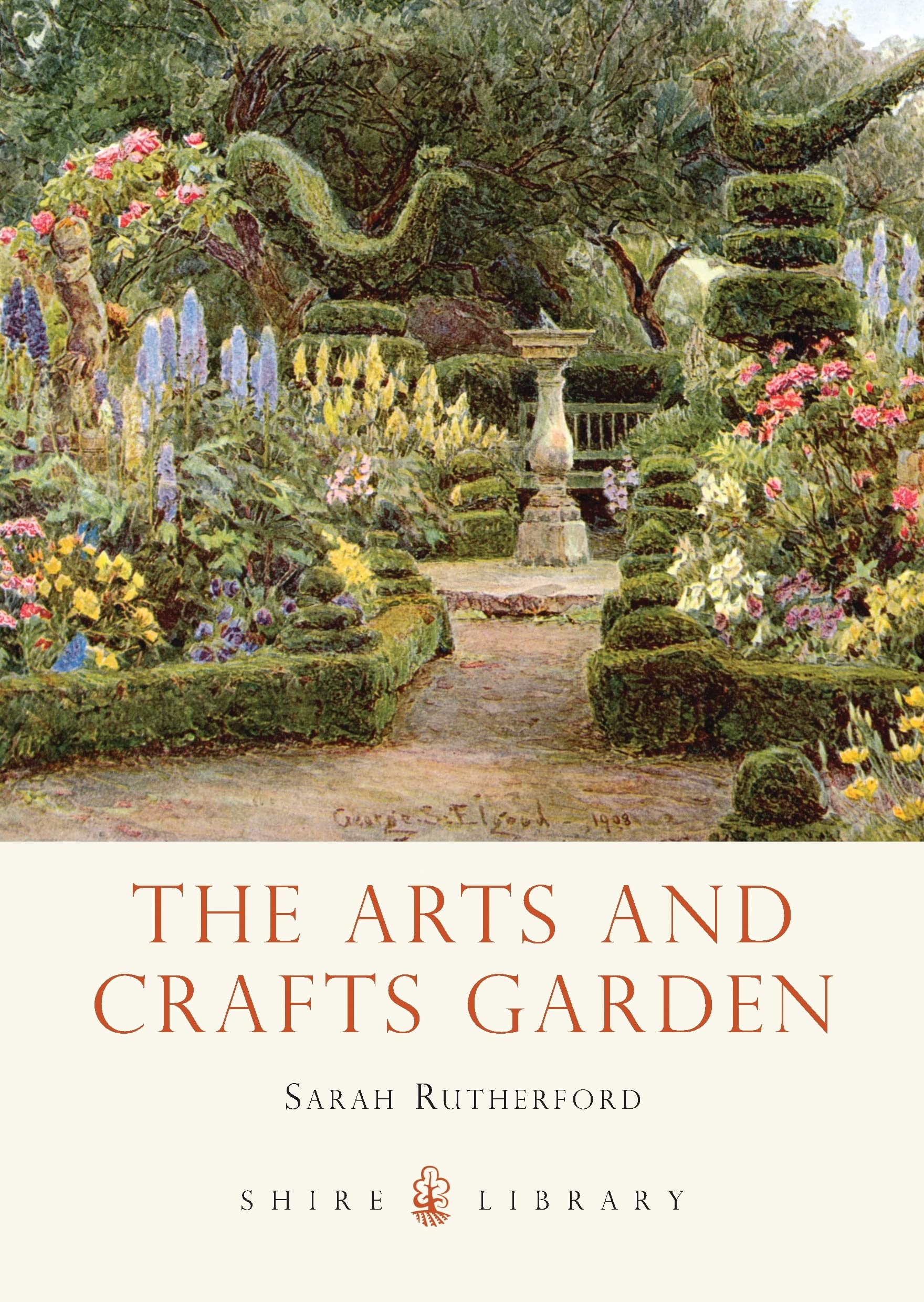



The Arts and Crafts Movement flourished in the late nineteenth and early twentieth centuries, espousing a return to simplicity, craftsmanship and beauty from the artifice and intensity of Victorian industry. While perhaps most famous for its architecture and furniture, garden design was fully encompassed within the Movement and Gertrude Jekyll, Edwin Lutyens, Inigo Triggs and Samuel Elgood were very influential figures. This exploration of the principles of the Arts and Crafts garden explains the inspiration applied from Stuart garden and cottage garden design, the wild gardens with winding paths, the precisely clipped hedges, the formal terraces and the billowing border plantings of bulbs, herbs and climbers. From the most formally clipped topiary to the most informal-looking wild borders, everything was carefully designed, and most often accentuated by gazebos, gateways, sundials, topiary and ponds. This beautifully illustrated book throws open the gates to the Arts and Crafts Garden and gives an extensive list of the best examples of these gardens in the UK. Sarah Rutherford is an expert in the conservation of historic parks and gardens. She was head of the English Heritage Historic Parks and Gardens Register and is now a freelance consultant, creating conservation plans. Excerpt from The Arts and Crafts Garden Sculpture showed off the taste, wealth and education of the owner. It was not often lavishly used in Arts and Crafts gardens, and was usually restricted to one or two key pieces placed at focal points around the house; larger collections could be spread throughout the garden. The extent of the use of sculpture was usually dependent upon the wealth of the owner. Traditional figures and decorative subjects were mostly favored. Urns were common; also fountains and particularly masks. Lead was popular as a traditional material that withstood the British climate well, making it suitable for ornamented water features and troughs, and it showcased British craftsmanship. Stone and composite stone pieces, offered by firms such as James Pulham & Son, were also popular. Pots and tubs were carefully placed in singles and groups around the house and on terraces. Terracotta and stone were common materials; sizes and patterns varied. Used Book in Good Condition