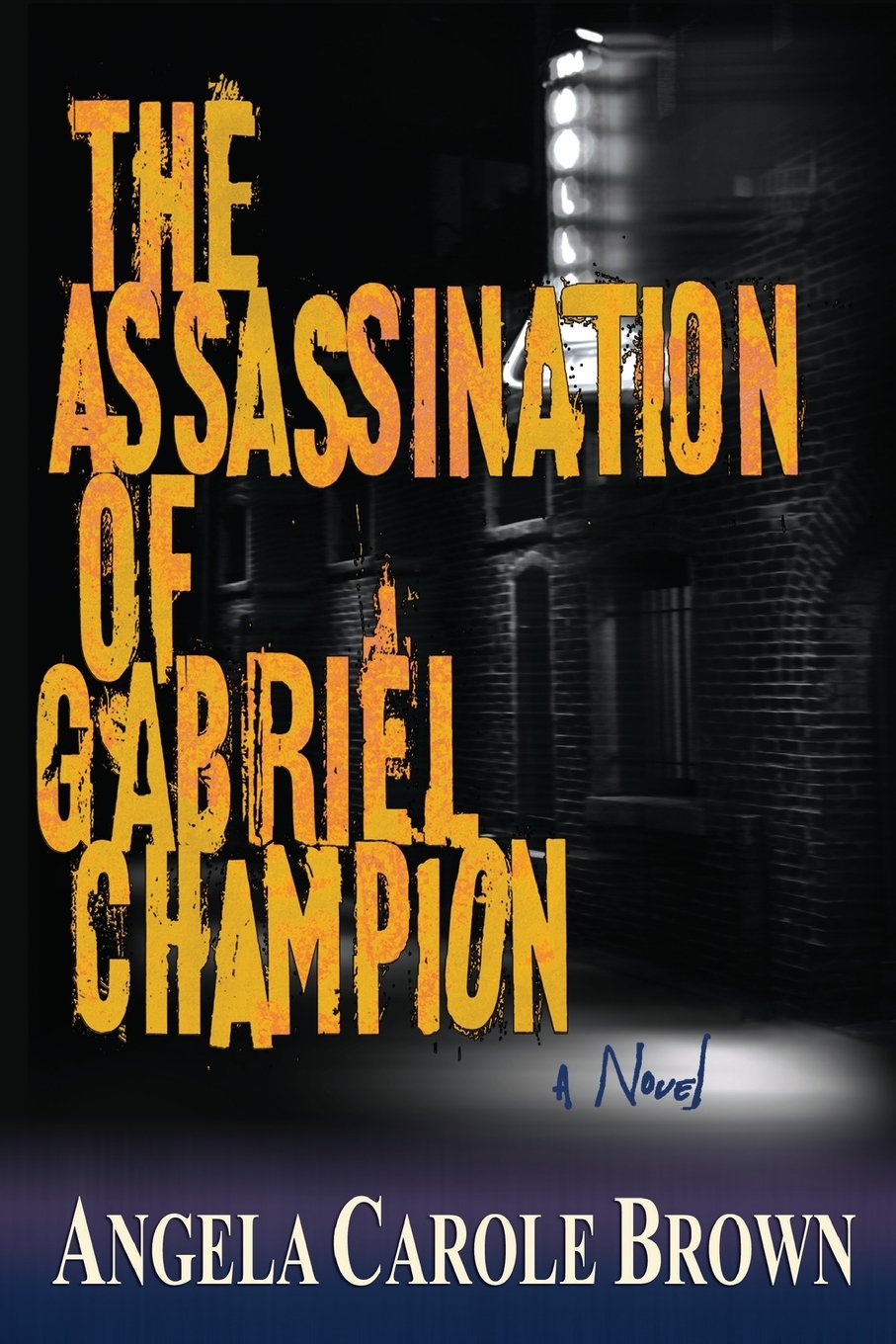



This modernist tale of the rarely depicted Los Angeles art scene explores themes of violence and redemption. Setting its stage in the diverse boroughs of pre-millennial L.A. and climaxing in the feverish streets of Paris, this work is a kaleidoscope of violent mood and memory, a meditation on art and artists, and an existential, atmospheric, and sometimes brutal parable on the complex nature of love. Writer NONA CHILDE is in love with artists. They are the very embodiment of all her romantic notions. So when she meets DANIEL CROSS, a gifted painter who is teetering on the brink of Heathcliffian torment (an intoxicating contrivance in Nona’s mind), she is presented with the opportunity to finally complete the arc of a long-coveted torch song life. What she isn’t prepared for is a real playing out of the scourge of an artist’s soul; one far darker than any she could conjure with a pen. The relationship that ensues between the brooding Englishman artist and the passionate young American authoress thrusts them headlong into a kaleidoscope of violent mood and memory, of euphoric, self-indulgent, torrential love. They begin to tear apart as irascibly as they are brought together, but not before involving one ARTHUR HUGHES DUFRESNE, a local poet with a devastating past who succeeds in complicating the tangle, in this tale that asks the question: What can be forgiven? Angela Carole Brown was born and raised in Los Angeles, California, and continues to live in L.A., which provides the setting for most of her novels. Angela comes from a large family, and is the middle child, with all the dysfunction that label evokes. Her father is an artist, her mother worked in politics, and her childhood was filled with music, books, art, social activism, family eccentrics, and much laughter and loudness, further fueling the stories she creates in book and song. Angela has made her primary living as a musician and recording artist for the better part of two decades, writing books the entire time, but only "coming out" as a novelist six years ago with her debut, TRADING FOURS. When it comes to books, then, it seems only fitting that Angela's first literary release would be a tale of music, as it sets itself on a single day in the life of four Los Angeles musicians. TRADING FOURS was published in 2006, and has been called "a Zen and the Art of Motorcycle Maintenance for musicians." It has been featured on KPFK's Arts in Review and KUCI's Blacklisted; given honorable mention in Music Connection Magazine; and featured in an Ejazznews.com article entitled Jazz Encounters of the Literary Kind, by the UK columnist John Stevenson, who wrote: "Trading Fours is in few respects, a triumphant meeting ground of art and sociology." Angela's second novel, THE ASSASSINATION OF GABRIEL CHAMPION, is her first book with the imprint Haiku House, and is a moody modern fable on the complex nature of love and loss. Angela is also a memoirist, whose first published effort in this genre is THE KIDNEY JOURNALS: MEMOIRS OF A DESPERATE LIFESAVER, which recounts her extraordinary odyssey being a kidney donor. Shorter works have been featured on Kidney.Org, the Highlight Network, and Angela's own blogs, Bindi Girl Chronicles and The Witch of Willowbrook. She is a recipient of the Heritage Magazine Award in Poetry. Though she still makes music for her living, today, thanks to finally being in full pursuit of her career as a writer, Angela Carole Brown now also speaks to us as a new voice in American letters.