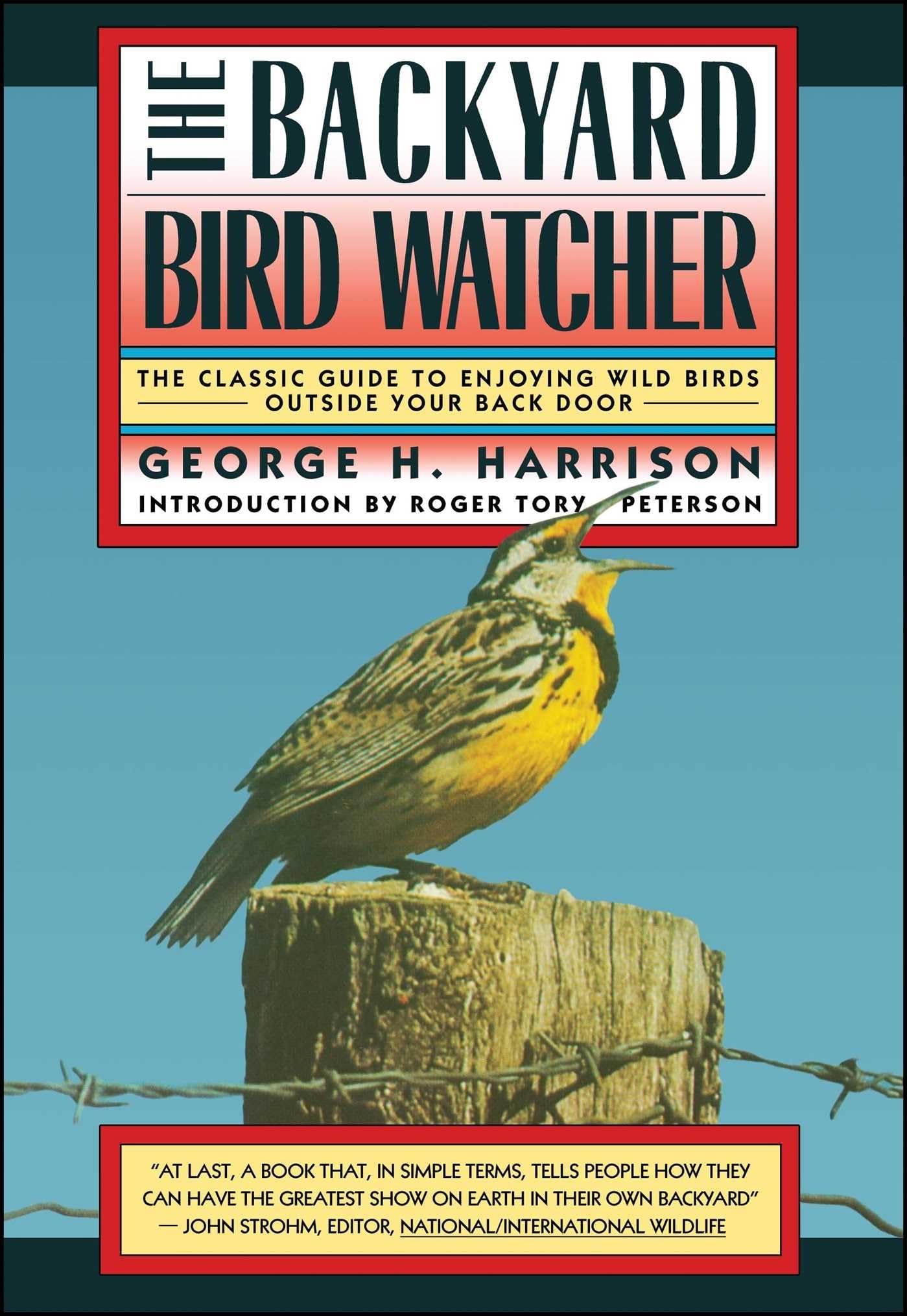



The Backyard Bird Watcher is the ultimate guide for all who enjoy watching wild birds at their back doors. Richly anecdotal, The Backyard Bird Watcher provides a wealth of practical information and step-by-step, surefire ways to convert any backyard into a first-rate bird sanctuary. Learn how to: * set up feeding stations, bird houses, water areas * solve pest problems * treat sick and injured birds * photograph wild birds. The Backyard Bird Watcher offers a month-by-month planning and preparation calendar to ensure bird-watching enjoyment, as well as lists of organizations, manufacturers, books, and other items of interest to the backyard bird watcher. Beautifully illustrated with dozens of detailed drawings and more than 200 black-and-white and color photographs, The Backyard Bird Watcher is a must for anyone who wants splendid wild birds to be a rewarding part of his or her everyday life. John Strohm Editor, National/International Wildlife At last, a book that, in simple terms, tells people how they can have the greatest show on earth in their own backyard. James A. Tucker Secretary of the American Birding Association, Inc. [The Backyard Bird Watcher] is comprehensive, concise, and emphasizes a dimension of birding that has been largely over-looked in print. It is a unique and delightful approach to birding. George Harrison and his wife, Kit, live in Hubertus, Wisconsin. Chapter 1 The Sport of Backyard Bird Watching What is a bird watcher? A person who watches birds? I suspect that most people watch birds, and yet many do not consider themselves bird watchers. The definition of a bird watcher is changing. Thirty years ago, the "typical" bird watcher was exemplified by magazine cartoons as a nattily dressed, elderly person who, from all outward appearances, was eccentric, if not downright odd. That early image of "the little old lady in tennis shoes" gave the sport a stigma which, to this day, makes some people uneasy about admitting that they enjoy watching birds. Today, the typical bird watcher, or "birder" as we call ourselves, is male, white, married, above average in education and income, and is either retired or a young professional according to one recent study. This may be the average bird watcher, but the sport attracts all kinds of people from all walks of life, and their numbers are growing at a dramatic rate. During a recent telephone conversation with Roger Tory Peterson, the dean of bird watching the world over, I asked him to estimate the number of bird watchers in the United States today. "What is your definition of a bird watcher?" he responded. Before I could answer his first question, he went on, "Do you include duck hunters as bird watchers?" We finally settled on the figure of at least twenty million Americans who spend money on bird seed or equipment, or on travel just to see birds. I believe this is a conservative estimate. A recent study conducted by Richard M. DeGraaf and Brian R. Payne of the U.S. Forest Service Research Unit at the University of Massachusetts in Amherst showed that Americans spend at least $500 million a year to enjoy birds. Of this total, $170 million was spent for bird seed; $187 million for photographic equipment and processing; $115 million for binoculars; $15 million for birdhouses and feeders; and $4 million for bird guides and other books. These figures do not include travel expenditures. Another survey showed that bird watchers and photographers alone accounted for 9,900,600 use-days on National Forest lands in a single year. So, bird watching may have been the sport of "little old ladies in tennis shoes" at one time, but "you've come a long way, baby" since those days. Bird watching is probably a billion-dollar-a-year industry and may be the fastest growing family sport in America. Why is it so popular and why is it growing so fast? The answer is simple: The sport of bird watching is easy to get into, inexpensive to maintain, requires little prior knowledge and almost no equipment. Actually, all you need to attract birds to your backyard is a little seed thrown on the ground...then wait for the birds in your neighborhood to find it. But if you really want to attract a variety of interesting and colorful birds on a permanent or at least seasonal basis, there are proven ways of doing it, and that's what this book is all about. LEARN TO IDENTIFY THE BIRDS Wild birds are everywhere during all seasons, in all habitats. Bird watchers start out by observing the birds they see in their backyards, on their way to work, around their camping areas, etc. Though you certainly don't have to be an expert to enjoy birding, it helps to be able to identify what you see. By being able to recognize the species, you are more likely to learn something about its characteristics and habits. We identify birds by spotting certain key field marks, behavior, song, size or shape. Thanks to Roger Tory Peterson, who in 1934 wrote and illustra