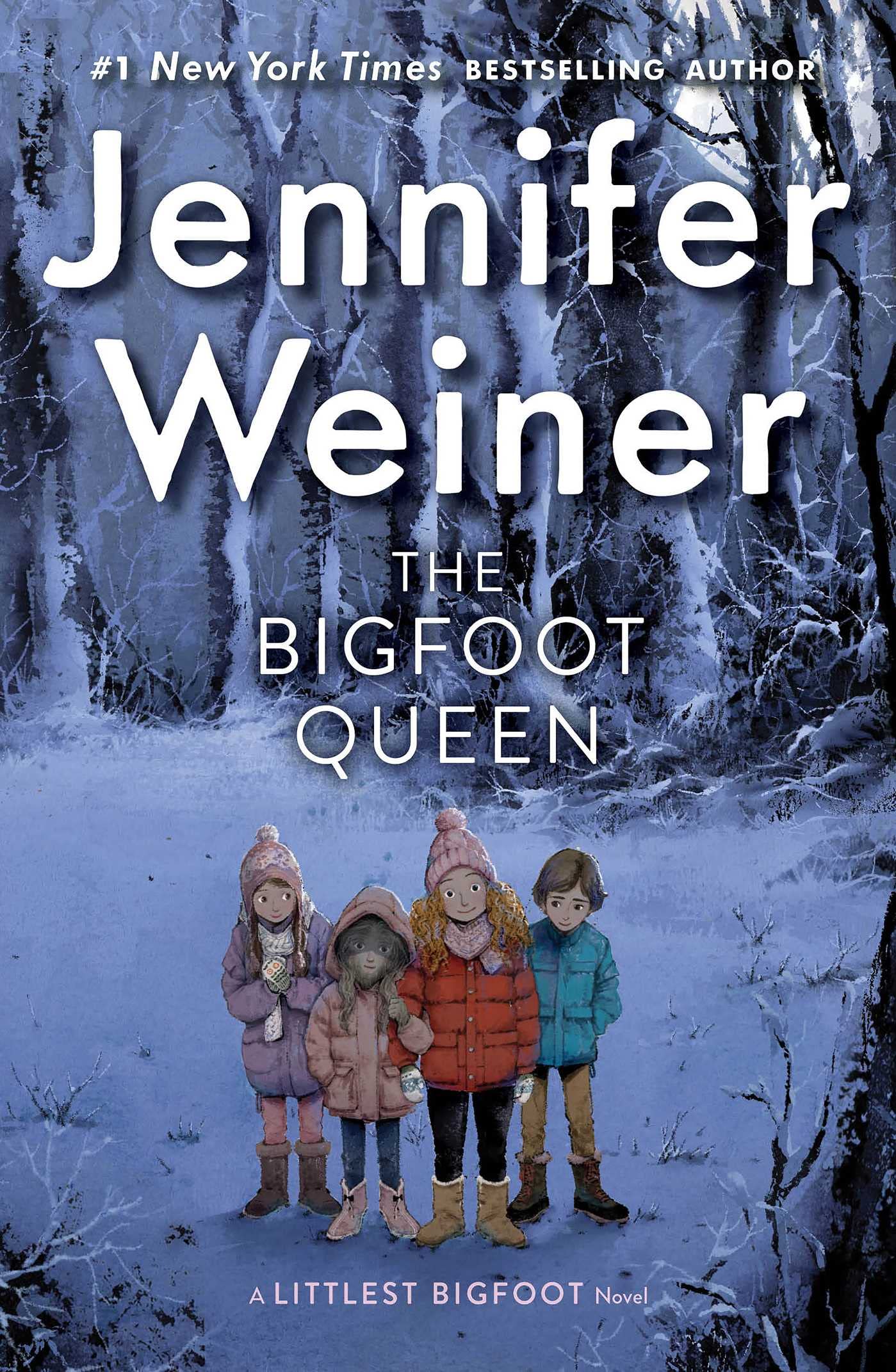



From #1 New York Times bestselling author Jennifer Weiner comes the third and final book in the “cheerful” ( The New York Times Book Review ) and “charming” ( People ) trilogy about friendship, adventure, and celebrating your true self. Alice Mayfair, Millie Maximus, Jessica Jarvis, and Jeremy Bigelow face their biggest challenge yet when exposure of the sacred, secret world is threatened by a determined foe, someone with a very personal reason to want revenge against the creatures who call themselves the Yare. The fate of the tribe and its members’ right to live out peacefully in the open is at stake. Impossible decisions are made, friendships are threatened, secrets are revealed, and tremendous courage is required. Alice, her friends, and her frenemies will have to work together and be stronger, smarter, and more accepting than they’ve ever been. But can some betrayals ever be forgiven? A buoyant resolution, with just deserts, larger-than-life figures, and, perhaps, forgiveness all around. (Fantasy. 8-12) -- Kirkus Reviews ― 9/1/23 Jennifer Weiner is the #1 New York Times bestselling author of twenty-one books, including The Summer Place , That Summer , Big Summer , Mrs. Everything , In Her Shoes , Good in Bed , and a memoir in essays, Hungry Heart. She has appeared on many national television programs, including Today and Good Morning America , and her work has been published in The Wall Street Journal and The New York Times , among other newspapers and magazines. Jennifer lives with her family in Philadelphia. Visit her online at JenniferWeiner.com. Chapter 1: Charlotte CHAPTER 1 Charlotte CHARLOTTE HUGHES HAD BEEN BORN in a dying town, to parents who didn’t survive to see her second birthday. They’d perished in a car accident after their minivan had hit a patch of black ice and skidded off the road. Charlotte’s father had been pronounced dead on the scene. Her mother had died in the hospital later that night. Baby Charlotte, strapped into her car seat, had survived without a scratch, and had been sent to live with her father’s mother, her only surviving relative, who, clearly, had no interest in raising another child. Grandma managed Upland’s only bed-and-breakfast, and it was an exhausting, thankless job—but one Grandma always said she was lucky to have, given how many in town couldn’t find any work at all. In the winter, when the skiers who weren’t able to locate lodging closer to the mountain resorts booked rooms, Grandma worked from sunrise to late at night, doing laundry, cleaning, and cooking, and as soon as Charlotte was tall enough to push a broom or carry a load of dirty towels to the basement, she had to help her. There were floors to be swept and mopped, beds to be stripped and made, trash cans to be emptied, carpets to be vacuumed, and toilets to be scrubbed. Even when they didn’t have guests, there was always cleaning. The big, old house seemed to generate its own dust and grow its own cobwebs. Little Charlotte would wake up at five in the morning to iron napkins and to bake scones and clear snow off the porch. She made beds and cleaned bathrooms. She learned to be invisible, to slip in and out of the rooms when the guests were gone, so quickly that they hardly noticed she was there. Her hands would chap and her skin would crack and she’d yawn her way through her school days. And, all around her, Upland was dying. When Grandma Hughes was a girl, Upland had been a thriving town, with a ski resort and two different fabric mills that stained the river with whatever dyes they were using that week: indigo, crimson, goldenrod yellow, or pine-tree green. Then one of the mills had caught fire, and the other mill had closed, and the Great Depression and the two World Wars had come. Young men had gone off to fight and hadn’t returned; families packed up and moved to more prosperous communities. In 1965, the interstate highway, which went nowhere near Upland, was completed. Skiers used it to travel to the mountains that were close to the highway, and Upland was not. Two years after the interstate opened, Mount Upland was closed. For as long as Charlotte could remember, her hometown had been full of run-down houses and rusty trailers, roads with more potholes than asphalt, where the schools were ancient and the bridges were elderly and every third storefront had a faded “GOING OUT OF BUSINESS” or “EVERYTHING MUST GO” sign hung over its soap-covered windows. Every year, more and more people moved away, to bigger towns with better opportunities. Then, when Charlotte was twelve, Christopher Jarvis had come to town. Famous Scientist to Establish New Labs in Upland, read the headline in the newspaper Charlotte saw on her grandmother’s desk. Famed scientist Christopher Jarvis, owner of Jarvis Industries, which holds patents on everything from dental tools to heartburn medications, is opening a new research and development facility in Upland. A spokesman for