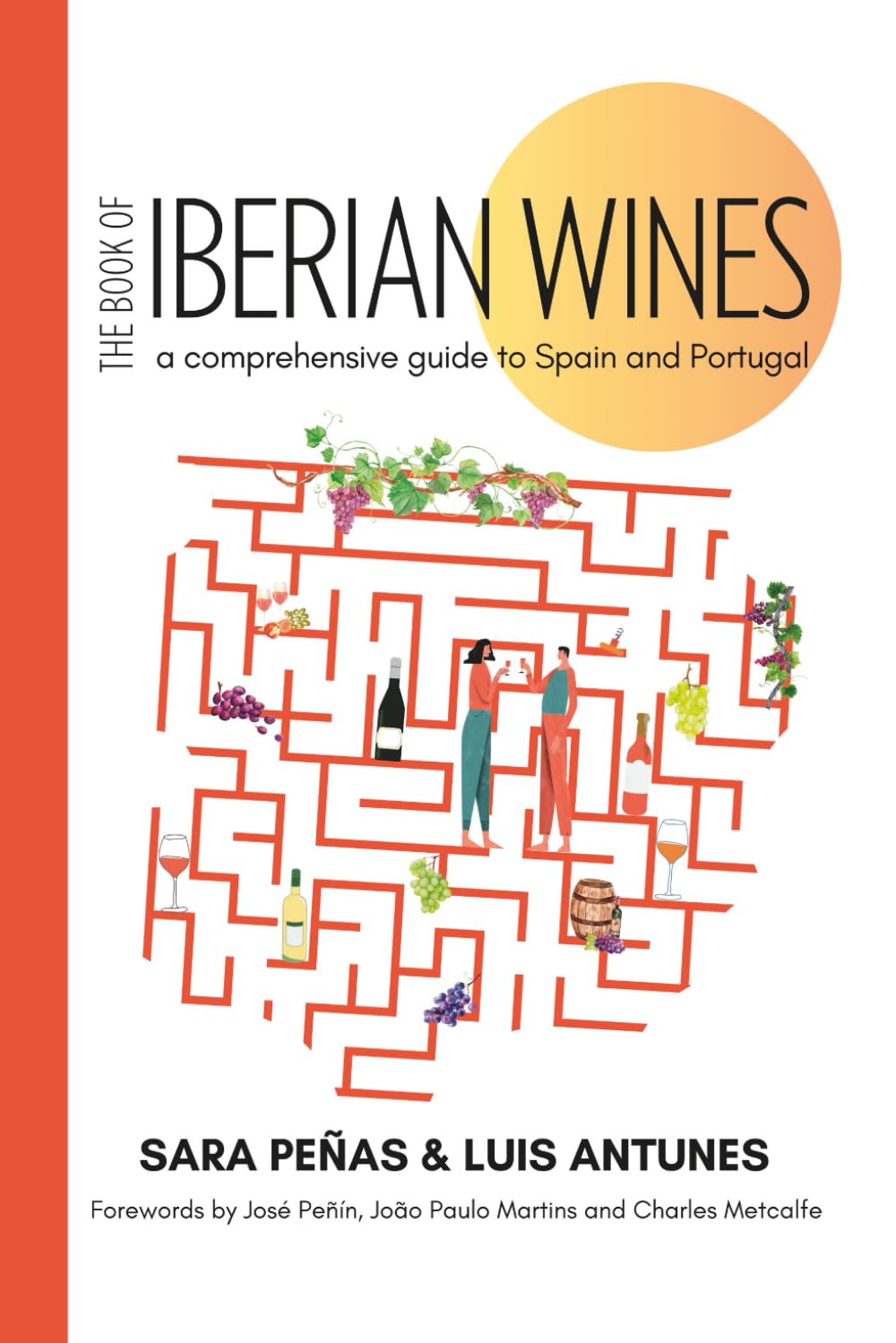
The Book of Iberian Wines: A Comprehensive Guide to Spain and Portugal
$19.90
by Sara Peñas



The Book of Iberian Wines takes readers on a captivating journey through the lands of Portugal and Spain—two countries that, while close as siblings, have followed distinct paths in the story of wine. Both nations share a deep-rooted tradition of good food and, of course, excellent wine. The history of Iberian wines is woven into the fabric of their many regions, reflecting the diversity and richness of their landscapes and cultures. Despite their differences, Portugal and Spain have always found common ground at the table, where wine plays a central role. Since ancient times, Iberian wines have been a cornerstone of the Mediterranean way of life—supporting the traditions and customs of both countries. This book invites readers to explore that heritage, viewing the Iberian Peninsula as a vast and vibrant winemaking region. For connoisseurs, the book provides a clear and helpful overview of Iberian wines, thoughtfully organised by region. It offers a chance to revisit familiar wines while uncovering new surprises along the way. For those just beginning their journey into the world of Iberian wines, it serves as a practical, down-to-earth guide—helping readers navigate the wines of Portugal and Spain with ease. The detailed yet accessible descriptions give a clearer sense of what each region has to offer. The Book of Iberian Wines , created by authors Sara Peñas Lledó (from Spain) and Luis Antunes (from Portugal), is a groundbreaking work that offers a comprehensive and in-depth look at the vast and rich universe of Portuguese and Spanish wines. As the authors themselves put it: “We wrote this book because it didn’t exist.” The work is divided into two volumes, each dedicated to one of the countries, exploring their winemaking regions, histories, geographies, and the unique character of their wines. Volume I , focused on Spain, introduces readers to the country’s wide-ranging wine diversity. It begins with an introduction and a look at the history and geography of Spanish wine, as well as the administrative structure of its wine regions. It then explores in detail the key winemaking areas: Galicia, Asturias, and Castile and León; Extremadura, Castile-La Mancha and Madrid; the Levant and Catalonia; La Rioja, Aragon, Navarra and the Basque Country; and finally, Andalusia and the Balearic and Canary Islands. This volume also includes dedicated chapters on Cava , the traditional sparkling wine of Catalonia (and beyond), and fortified wines , another speciality with a strong Spanish presence. Volume II shifts the focus to Portugal, covering the country’s major wine regions: Vinho Verde ; Douro and Trás-os-Montes ; Dão, Bairrada and Beira Interior ; Lisbon, Tejo and Setúbal ; and Alentejo, Algarve, the Azores and Madeira . Each section highlights the distinctive characteristics of the region’s wines—from the fresh, lively Vinho Verde to the bold, complex wines of the Douro. As in the Spanish volume, this one also includes chapters on Portuguese sparkling wines and fortified wines , such as the world-famous Port . The Book of Iberian Wines is essential reading for any wine lover looking to deepen their understanding of these remarkable wines. It’s both a detailed guide to the wine regions of Portugal and Spain and a celebration of the winemaking tradition that unites these two kindred nations. With a meticulous yet engaging approach, the authors have created an indispensable reference for anyone eager to appreciate the complexity and beauty of Iberian wines. As you turn the pages of this book, you’re invited to discover, taste and savour the rich diversity that Iberian wines have to offer.