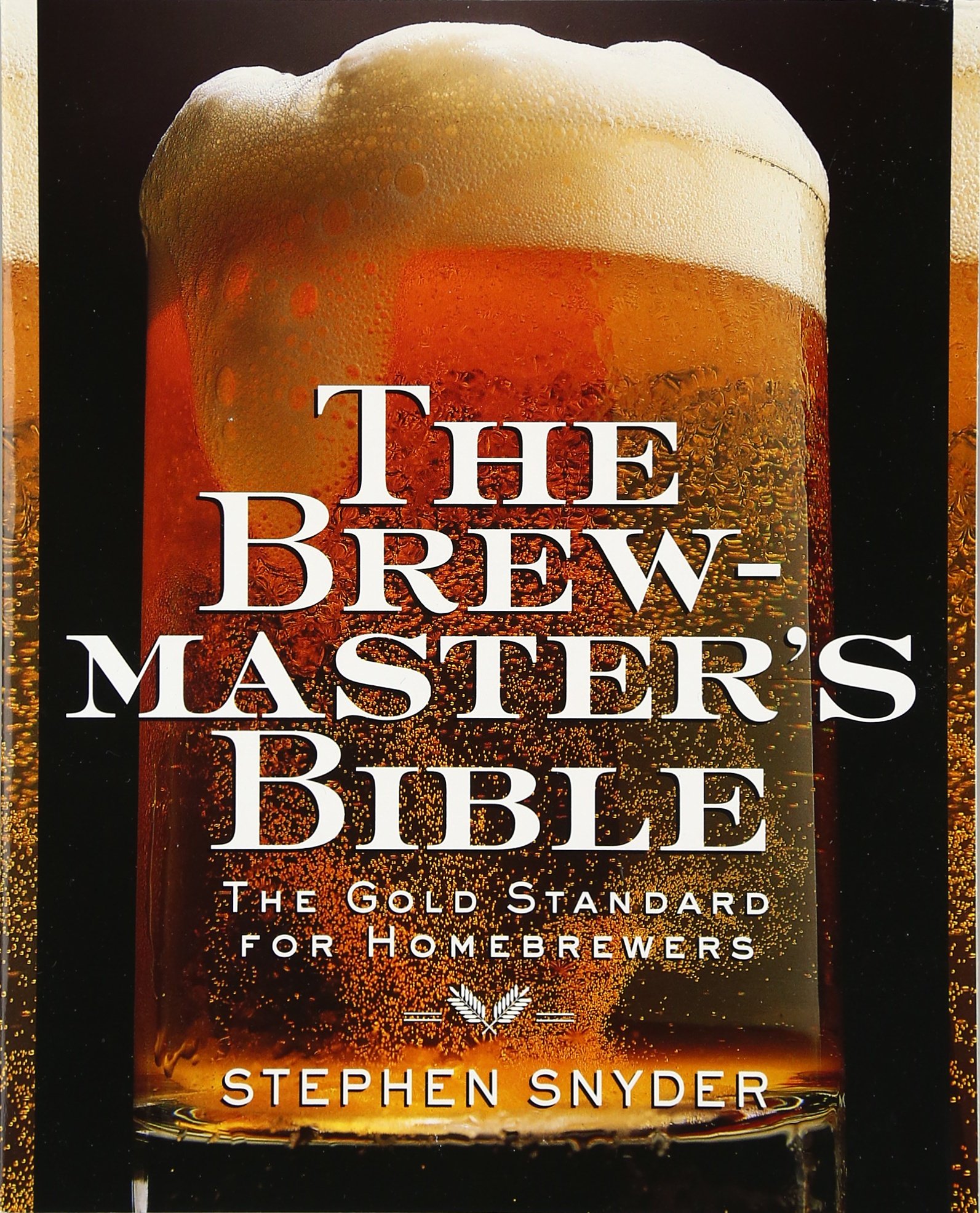



The Beer Renaissance is in full swing, and home brewing has never been more popular. According to the American Homebrewers Association, there are currently 1.2 million home brewers in the country, and their numbers keep rising. Tired of the stale ale, bland beer and lackadaisical lagers mass-produced by the commercial labels, Americans are discovering the many advantages of brewing their own batch of that beloved beverage: superior aroma, color, body and flavor. For both amateur alchemists eager to tap into this burgeoning field and seasoned zymurgists looking to improve their brews, The Brewmaster's Bible is the ultimate resource. Its features include: Updated data on liquid yeasts, which have become a hot topic for brewers; 30 recipes in each of the classic beer styles of Germany, Belgium, Britain and the U.S.; extensive profiles of grains, malts, adjuncts, additives and sanitizers; recipe formulation charts in an easy-to-read spreadsheet format; detailed water analyses for more than 25 cities and 6 bottled waters; directories to hundreds of shops; and much more. The Beer Renaissance is in full swing, and home brewing has never been more popular. According to the American Homebrewers Association, there are currently 1.2 million home brewers in the country, and their numbers keep rising. Tired of the stale ale, bland beer and lackadaisical lagers mass-produced by the commercial labels, Americans are discovering the many advantages of brewing their own batch of that beloved beverage: superior aroma, color, body and flavor. For both amateur alchemists eager to tap into this burgeoning field and seasoned zymurgists looking to improve their brews, The Brewmaster's Bible is the ultimate resource. Its features include: Updated data on liquid yeasts, which have become a hot topic for brewers; 30 recipes in each of the classic beer styles of Germany, Belgium, Britain and the U.S.; extensive profiles of grains, malts, adjuncts, additives and sanitizers; recipe formulation charts in an easy-to-read spreadsheet format; detailed water analyses for more than 25 cities and 6 bottled waters; directories to hundreds of shops; and much more. Stephen Snyder is a contributor to America's largest beer newspaper, Ale Street News. He lives in Perkinsville, VT. Chapter One An Introduction to Brewing Your First Batch As we discussed earlier, brewing from malt extract, especially malt extract syrup in a can, is how most of us began as homebrewers because it is the simplest, fastest, and most reliable way to make great beer. Using a simple malt extract-based recipe you will learn to make a terrific homebrewed beer with a classic American microbrewery taste that will be ready to drink in just three weeks. After you've tasted your first homebrew you'll quickly gain the confidence to brew again and no doubt be fired with a zeal to brew and learn as much as you can. Brew a few batches of this or some of the simpler recipes to follow, then branch out into some of the other styles. You'll be surprised at how fun this turns out to be and perhaps a little nervous about how enthusiastic you get about your new hobby. Don't be alarmed, you're just feeling the excitement that has captivated brewers for at least ten thousand years Equipment You Will Need Below are the essential pieces of equipment needed for homebrewing. Most of these common items you already have around your kitchen and can be employed in your brewery. However, it is a good practice to either buy new equipment or to relegate utensils you have to the exclusive use of your brewery. Keeping the things you use in brewing away from everyday kitchen duty will help keep them clean, grease-free, easily sanitized, and in good shape for years to come. Items specifically intended for brewing such as a bottling bucket or a hydrometer should be purchased from a homebrew supply store. There are over one thousand of these stores in the United States, and they can provide complete setups for beginning brewers, usually for much less than if you bought the pieces separately. A list of several good home-brew supply shops can be found beginning on page 357. Brewing Equipment You Will Need One large brew kettle. This will be used to boil the wort (it's not beer until it is fermented) and should be a twenty- to thirty-two-quart stockpot made of stainless steel or enamel. This needs to be physically clean but does not need to be sanitized, since you will be boiling in it for an hour. Two hop bags. These will hold your two portions of hops in the boiling. They can be nylon or muslin bags purchased from a homebrew supply shop or simply pieces of cheesecloth tied around the hops with a piece of twine. Sanitizing solution. In a new plastic bucket, prepare several gallons of sanitizing solution according to the instructions for the product you have chosen, or simply mix five teaspoons of bleach and five gallons of cold water in your primary fermenter. It is helpful to reserve a few pints of this s