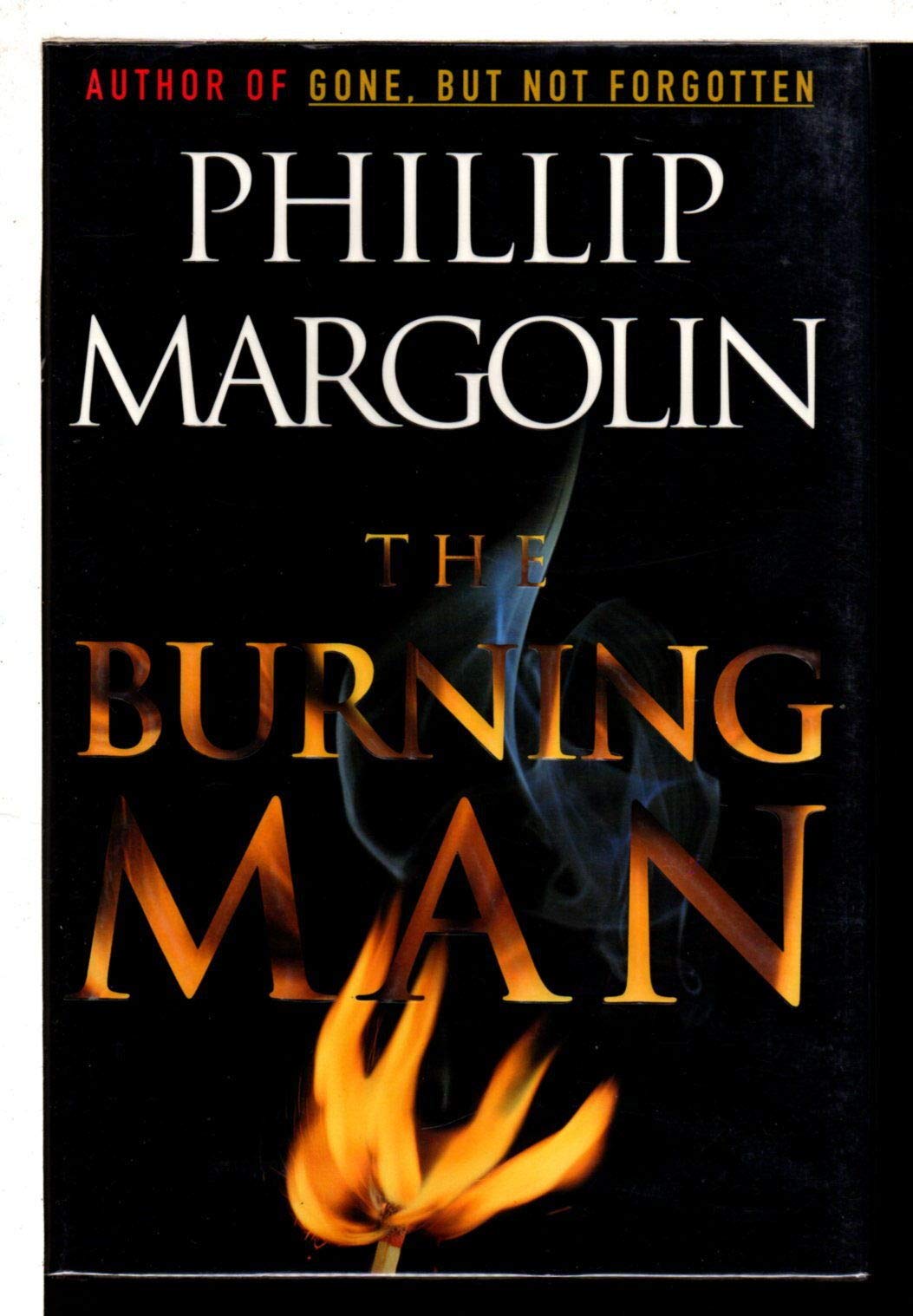



Peter Hale is a young attorney struggling to make his own mark in his father's venerable law firm when he is presented with the opportunity of a lifetime. During the trial of a multimillion-dollar case, Peter's father, the lead counsel, suffers a heart attack and asks Peter to move for a mistrial until he's feeling better. Peter decides this is his only chance to prove to his father that he is the terrific lawyer he knows himself to be, and he chooses to carry on with the case against his father's wishes. In his zeal to prove himself, Peter neglects his client and ends up losing everything - the case, his job, and his father. Unemployed and disinherited, Peter takes the only job he is offered - that of a public defender in a small Oregon town. He hopes that if he can make good there, he can reinstate himself in his father's good graces. But his ambition again gets the best of him when he takes on a death-penalty case, representing a mentally retarded man accused of the brutal hatchet murder of a college coed. He's in way over his head, and it's only when Peter realizes that his greed and his ego may end up killing his client that he begins to understand what it really takes to be a good lawyer - and to become a man. Playing off the spookiness of recent recovered memory trials, Margolin, in his fifth thriller (e.g., After Dark, LJ 3/15/95), layers the good, the bad, and the ugly of lawyering into a crackling tale of redemption for two young men. The tale is set in Eastern Oregon, where a mildly retarded man is charged with the brutal slaying of a young woman. His lawyer, having never tried a capital crime case before, fumbles badly, but a glimmer of native wit gets him back on track. Working the genre with a discipline some popular authors have begun to ignore, Margolin relies on a few crafty stereotypes to keep up the pace and simplify the action. The dialogs in the jailhouse and the interrogation scenes, though, are intense and fierce. The moral zigzags of desperate people are laid out to contrast with the lawyer and his client as they feint and weave to avoid the ultimate penalty. This is a can't-go-wrong choice for popular collections.?Barbara Conaty, Library of Congress Copyright 1996 Reed Business Information, Inc. Margolin may well be the Danielle Steel of mysteries. His books have the same trite but oh-so-true characters, familiar but nonetheless gripping plots, consummately bad villains, and perfectly flawed heroes. Young attorney Peter Hale, spoiled, conceited, and with a perpetual chip on his shoulder, wants to prove he's as good a lawyer as his father. So when Dad suffers a heart attack, Peter takes on one of the old man's toughest cases and ends up costing a paralyzed woman her million-dollar settlement. Furious, the senior Hale writes Peter out of his will and exiles him to a small town to work as a public defender. Peter doesn't know which is worse, not having his cappucino machine or dealing with nasty criminals. So he goes behind his new boss' back (Won't this guy ever learn?) and takes on the defense of a retarded man accused of murder. If Peter loses the case, the accused goes to Death Row, but if he wins, it's a chance to redeem himself in Dad's eyes. Of course, things go wrong from the git-go, and Peter's stupidity nearly ruins everything. But finally, from the depths of his jerky little soul, something worthwhile emerges. With terrific courtroom scenes, great lawyerly dialogue, and a plot that won't quit, Margolin's latest is sure to parallel a Danielle Steel novel in one more way: bankable mass-market appeal. Emily Melton An Oregon lawyer exiled from Portland to the sticks grabs at a high-profile murder case as his one and only chance to turn his life around--and that's only the most obvious clich in this pot of refried beans. ``You possess the intelligence to be a good lawyer, but you're lazy and self-centered,'' Peter Hale's father harangues him just after Peter's arrogance and incompetence shut a client out of a well-deserved settlement, and just before he banishes him to legal serfdom in backwoods Whitaker. Well-tailored Peter fumes as he watches his old school friend Steve Mancini run rings around him in their separate defenses of Christopher Mammon and Kevin Booth, two lugs charged with serious coke possession. But salvation seems at hand when Steve maneuvers Peter into defending Gary Harmon, who's facing the death penalty for aggravated homicide after a third Whitaker State coed is killed with a hatchet. A gung-ho cop's persuaded sweet, retarded Gary, who'd had a public confrontation with an approachable blond who brushed him off shortly before the murder, that the couple he saw necking in Wishing Well Park was actually the killer and his latest victim--and then insinuated Gary into the frame by appealing to his psychic powers. And when prosecutor Becky O'Shay's case falters, Kevin Booth, who just happens to be doing his time in the same prison as Gary, passes on a duplicate c