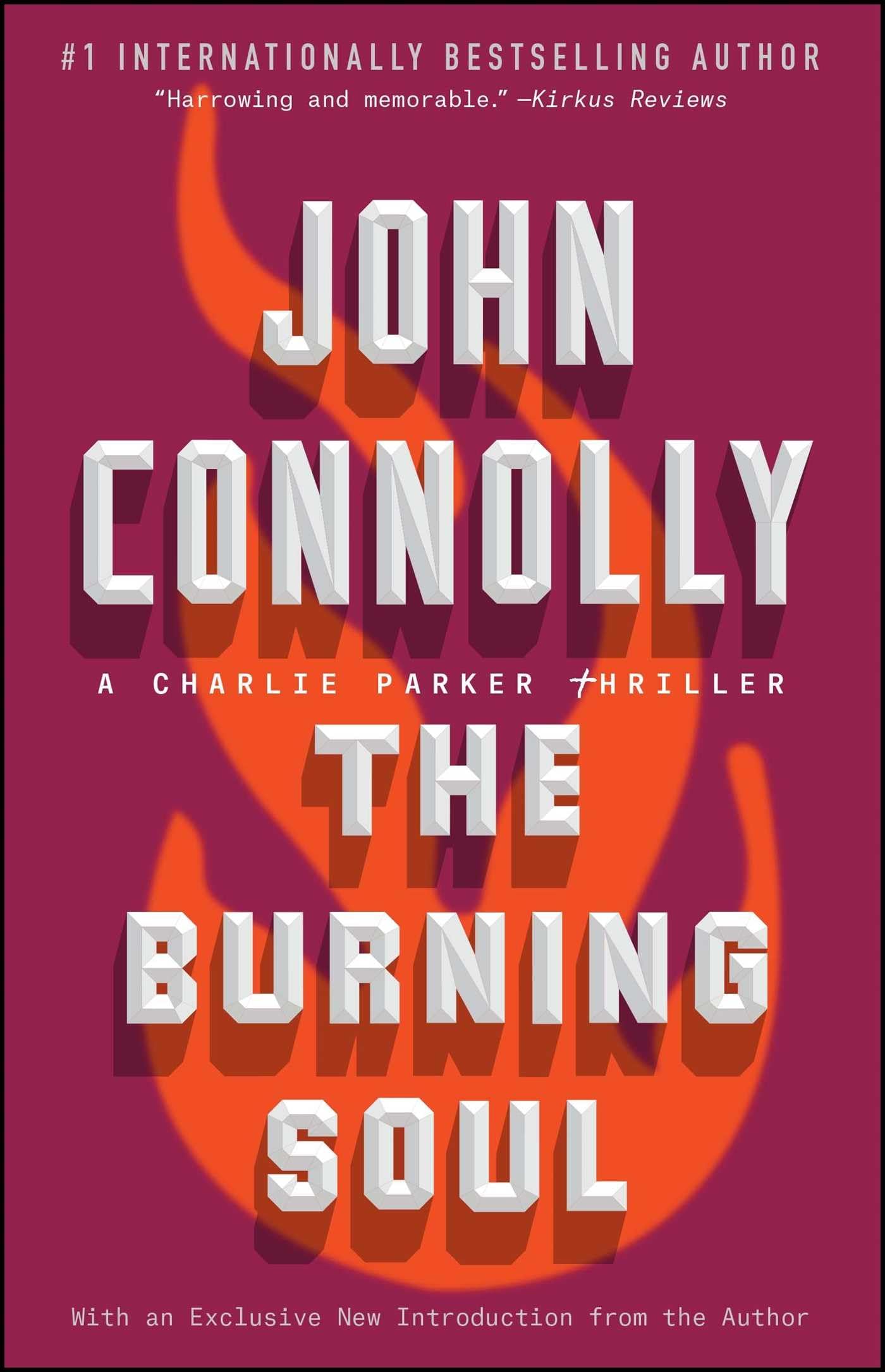



New York Times bestselling author John Connolly brings his “visionary brand of neo-noir” ( The Irish Times ) to this “riveting and chilling” ( San Francisco Examiner ) thriller in the Charlie Parker series about buried secrets and haunted lives. There are some truths so terrible that they should not be spoken aloud. Here is one of those truths: after three hours, the abduction of a child is routinely treated as a homicide. When a girl goes missing from a small Maine town, her neighbor—a recluse named Randall Haight—begins receiving anonymous letters referencing a different teenage girl, murdered years ago. Unknown to many, Randall has been hiding a secret: at fourteen, he was convicted of killing that girl. Now, his past resurfaces, and he hires private detective Charlie Parker to make the torment stop. But in a town built on blood and shadowed by old ghosts, where too many of the living are hiding secrets, the past cannot be dismissed so easily. As Parker unravels a twisted, violent history involving a doomed mobster and his enemies, the police, and the FBI, his search returns again and again to Randall Haight. Because Randall is still telling lies… "A complex story leading to an explosive and terrifying end game."--"The Irish Independent " "A superb mystery."--"Mystery Gazette" "An intelligent, plausible thriller, both harrowing and memorable."--"Kirkus Reviews" "Compulsively readable. . . .crackling to a smoking conclusion."--"New Orleans Times-Picayune" "Connolly's latest Charlie Parker thriller offers a powerful story line that weaves together suspense, mystery and a small touch of the supernatural."--"Kirkus Reviews" John Connolly is the author of the #1 internationally bestselling Charlie Parker thrillers series, The Book of Lost Things and its sequel The Land of Lost Things , the Samuel Johnson Trilogy for younger readers, and (with Jennifer Ridyard) the Chronicles of the Invaders series. He lives in Dublin, Ireland. For more information, see his website at JohnConnollyBooks.com, or follow him on X and BlueSky @JConnollyBooks. The Burning Soul CHAPTER I Gray sea, gray sky, but fire in the woods and the trees aflame. No heat, no smoke, but still the forests burned, crowning with red and yellow and orange; a cold conflagration with the coming of fall, and the leaves resignedly descending. There was mortality in the air, borne on the first hint of winter breezes, the threatening chill of them, and the animals prepared for the coming snows. The foraging had begun, the filling of bellies for leaner times. Hunger would make the more vulnerable creatures take risks in order to feed, and the predators would be waiting. Black spiders squatted at the corners of their webs, not yet slumbering. There were still stray insects to be had, and further trophies to be added to their collections of withered husks. Winter coats grew thick, and fur began to lighten, the better to blend in against the snow. Contrails of geese arrowed the skies like refugees fleeing a coming conflict, abandoning those forced to stay and face what was to come. The ravens were motionless. Many of their far-northern brethren had headed south to escape the worst of the winter, but not these birds. They were huge yet sleek, their eyes bright with an alien intelligence. Some on this remote road had noticed them already, and if they had company on their walks, or in their automobiles, they commented on the presence of the birds. Yes, it was agreed, they were larger than the usual ravens, and perhaps, too, they brought with them a sense of discomfort, these hunched beings, these patient, treacherous scouts. They were perched deep among the branches of an ancient oak, an organism approaching the end of its days, its leaves falling earlier each year, so that by the end of every September it was already bare, a charred thing amid the flames, as though the all-consuming fire had already had its way with it, leaving behind only the smoke smudges of long-abandoned nests. The tree stood at the edge of a small copse that jutted slightly at this place to follow the curvature of the road, with the oak as its farthest point. Once there were others like it, but the men who built the road had cut them down many years before. It was now alone of its kind, and soon it too would be gone. But the ravens had come to it, for the ravens liked dying things. The smaller birds fled their company, and regarded the intruders warily from the cover of evergreen foliage. They had silenced the woods behind them. They radiated threat: the stillness of them, their claws curled upon the branches, the bladelike sharpness of their beaks. They were stalkers, watchers, waiting for the hunt to begin. The ravens were so statuesque, so immobile, that they might have been mistaken for misshapen outcroppings of the tree itself, tumorous growths upon its bark. It was unusual to see so many together, for ravens are not social birds; a pair, yes, but not six, not li