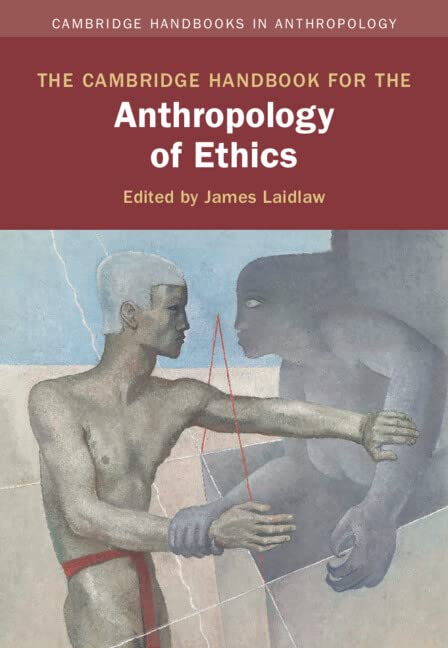



The 'ethical turn' in anthropology has been one of the most vibrant fields in the discipline in the past quarter-century. It has fostered new dialogue between anthropology and philosophy, psychology, and theology and seen a wealth of theoretical innovation and influential ethnographic studies. This book brings together a global team of established and emerging leaders in the field and makes the results of this fast-growing body of diverse research available in one volume. Topics covered include: the philosophical and other intellectual sources of the ethical turn; inter-disciplinary dialogues; emerging conceptualizations of core aspects of ethical agency such as freedom, responsibility, and affect; and the diverse ways in which ethical thought and practice are institutionalized in social life, both intimate and institutional. Authoritative and cutting-edge, it is essential reading for researchers and students in anthropology, philosophy, psychology and theology, and will set the agenda for future research in the field. ‘All in all: a collection in which many essays are bursting with the joy of discovery, and which, as far as I am concerned, will hopefully be followed by a focused and fruitful collaboration between anthropologists on the one hand and ethicists and practical theologians on the other.’ G.C. den Hertog, Theologia Reformata An authoritative and cutting-edge survey of one of the most vibrant fields in anthropology in the last two decades. James Laidlaw is William Wyse Professor of Social Anthropology at the University of Cambridge and Fellow of King's College. He is the author of The Archetypal Actions of Ritual (with Caroline Humphrey, 1994), Riches and Renunciation (1995), and The Subject of Virtue (2014), and the editor of The Essential Edmund Leach (with Stephen Hugh-Jones, 2000), Ritual and Memory (with Harvey Whitehouse, 2004), Religion, Anthropology, and Cognitive Science (with Harvey Whitehouse, 2007), and Recovering the Human Subject (with Barbara Bodenhorn and Martin Holbraad, 2018).