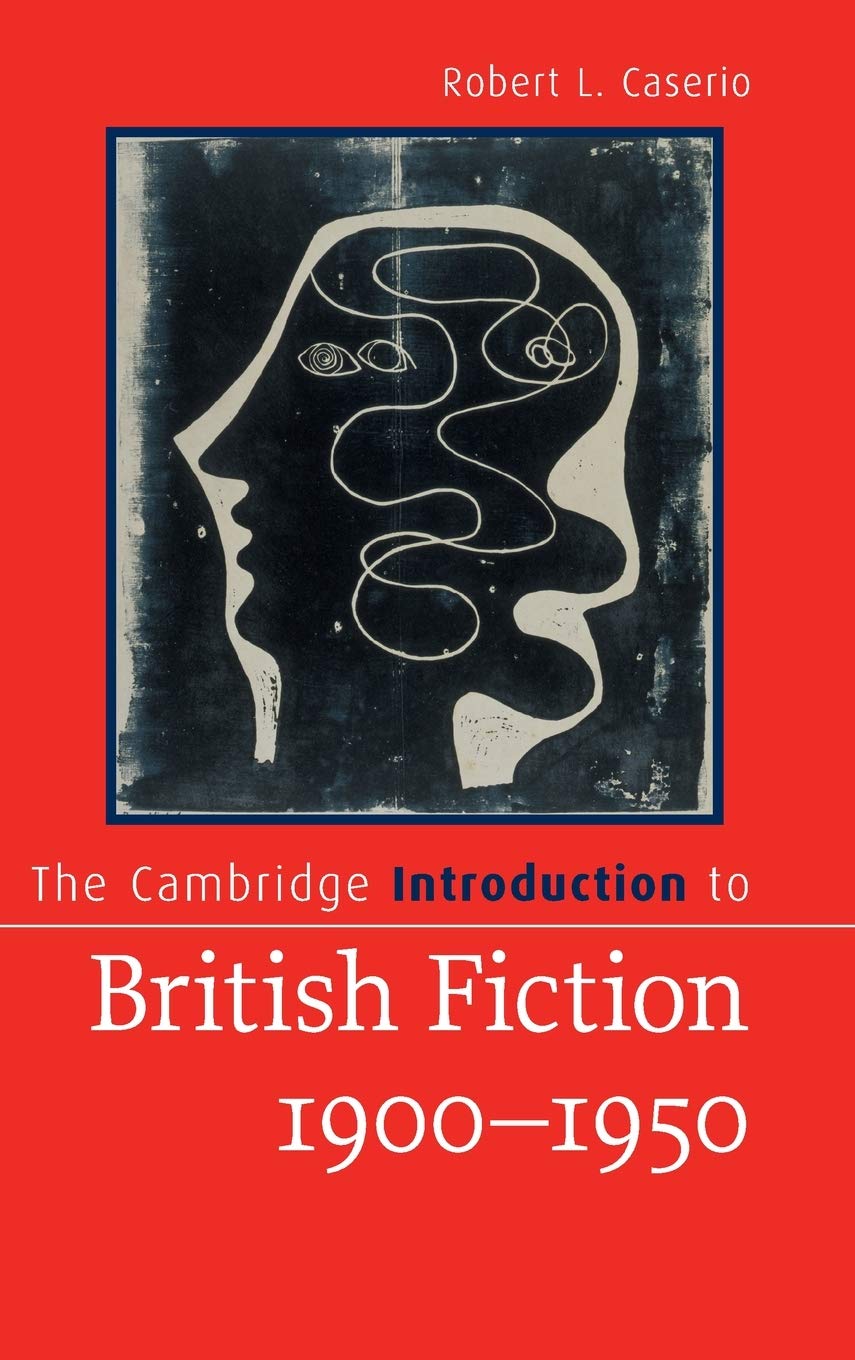
The Cambridge Introduction to British Fiction, 1900–1950 (Cambridge Introductions to Literature)
$72.90
by Robert L. Caserio



Examining the work of more than one hundred writers, in a wide variety of genres including detective, spy, gothic, fantasy, comic, and science fiction, this book is an unusually comprehensive introduction to the novels and short stories of the period. Providing fresh readings of famous modernist figures (Conrad, Ford Madox Ford, Joyce, Woolf, Forster, Lawrence, and others), Robert L. Caserio also brings new attention to lesser-known writers who merit increased attention. He provides readers with an overview of modernist fiction's intellectual milieu, and addresses its contextualization by history and politics - feminism, global war, and the emergence of the welfare state after World War II. An ideal introduction for the student, this book offers a thought-provoking re-examination of literary history, and an exploration of the unique value of fiction's portrayals of the world. '… a plentiful, wide-ranging, and important exploration of modernist fiction from a distinguished critic.' The D.H. Lawrence Review ‘… a scrupulous and democratic account of its subject … consistently surprising, illuminating, and instructive … produc[es] a remarkable succession of affiliations that captures better than comparable introductions the … ideas and forms that characterize the period … a healthy reminder that literature and literary history can and should be fun … Caserio’s … habit of broad reading within a given period … should produce only praise.' Matthew Levay, Modern Language Quarterly A comprehensive overview of both modernist and popular British fiction of the first half of the twentieth century. Robert L. Caserio is Professor of English, Comparative Literature, and Women's, Gender, and Sexuality Studies at The Pennsylvania State University. He is the editor, with Clement Hawes, of The Cambridge History of the English Novel (Cambridge, 2012), and the editor of The Cambridge Companion to the Twentieth-Century English Novel (Cambridge, 2009). His many publications include Plot, Story, and the Novel: From Dickens and Poe to the Modern Period (1979) and the Perkins Prize-winning The Novel in England, 1900–1950: History and Theory (1998).