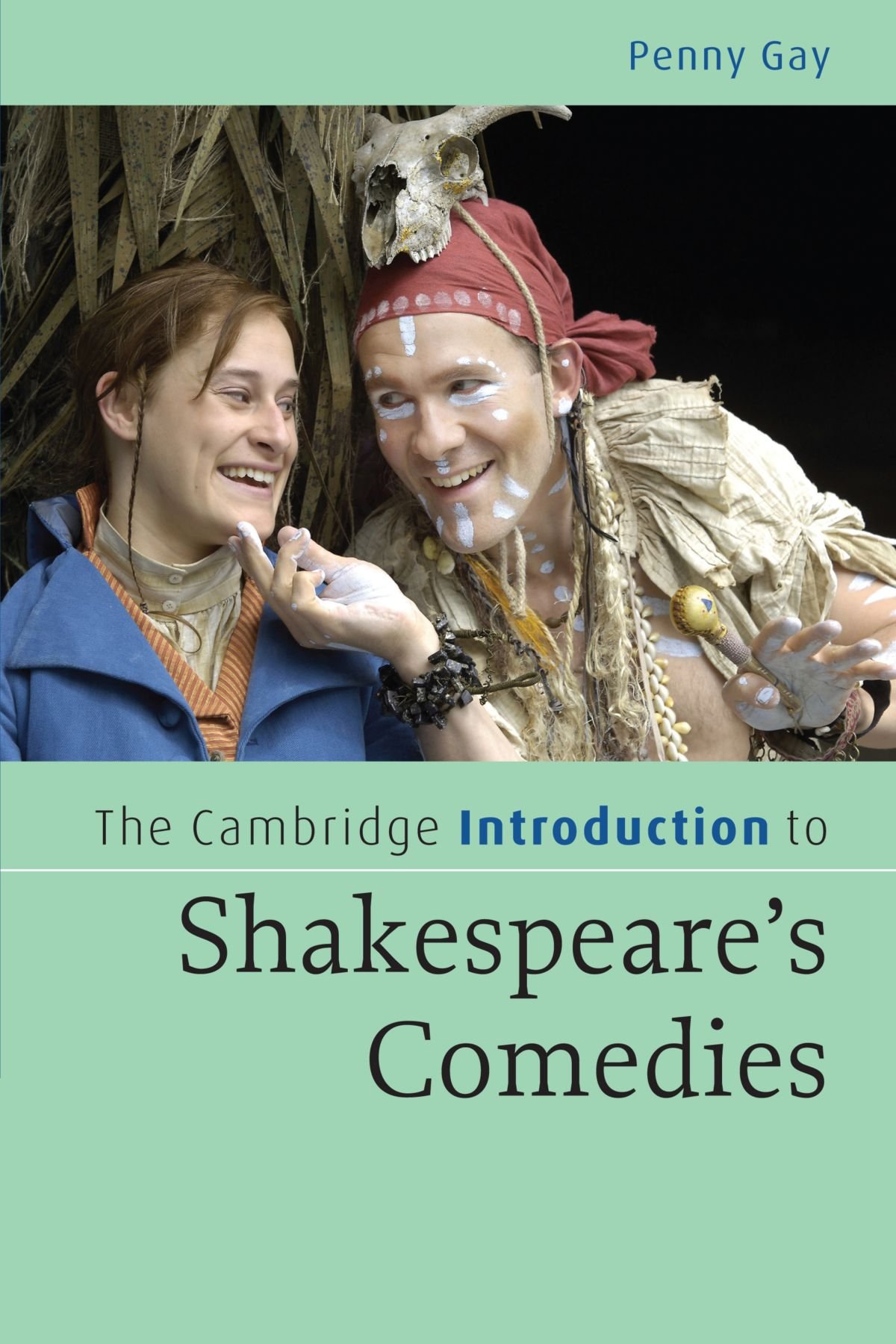



Why did theatre audiences laugh in Shakespeare's day? Why do they still laugh now? What did Shakespeare do with the conventions of comedy that he inherited, so that his plays continue to amuse and move audiences? What do his comedies have to say about love, sex, gender, power, family, community, and class? What place have pain, cruelty, and even death in a comedy? Why all those puns? In a survey that travels from Shakespeare's earliest experiments in farce and courtly love-stories to the great romantic comedies of his middle years and the mould-breaking experiments of his last decade's work, this book addresses these vital questions. Organised thematically, and covering all Shakespeare's comedies from the beginning to the end of his career, it provides readers with a map of the playwright's comic styles, showing how he built on comedic conventions as he further enriched the possibilities of the genre. "...a balanced voice of experience and wisdom. Gay’s is a book you might read without being compelled to, for the pleasure of learning more about plays that continue to work on the stage and on the page...Gay tells us much that is relevant and illuminating about the plays’ historical context, but her most persistent reality check is a lively sense of how the plays work on stage, for actual readers and audiences...Gay is an excellent guide...This is a book anyone from a novice to an experienced scholar should be able to read with pleasure and instruction." -Robert Phiddian, Australian Book Review "The Cambridge Introduction to Shakespeare's Comedies would be an excellent addition to a Shakespeare course." Studies in Medieval and Renaissance Teaching A comprehensive survey of Shakespeare's comedies examining why and how they are still relevant today. Penny Gay is Professor of English and Drama at the University of Sydney. Used Book in Good Condition