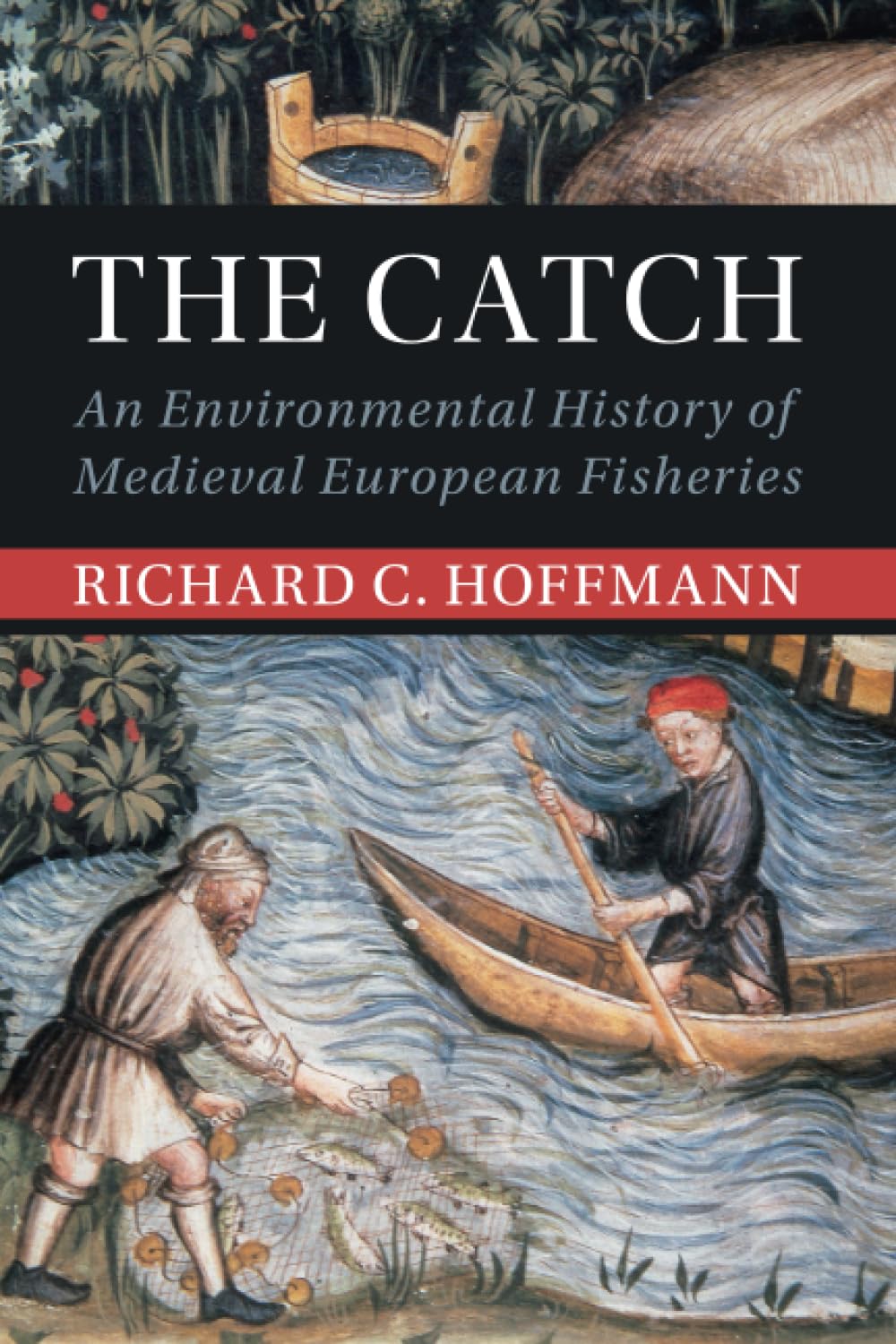



This definitive environmental history of medieval fish and fisheries provides a comprehensive examination of European engagement with aquatic systems between c. 500 and 1500 CE. Using textual, zooarchaeological, and natural records, Richard C. Hoffmann's unique study spans marine and freshwater fisheries across western Christendom, discusses effects of human-nature relations and presents a deeper understanding of evolving European aquatic ecosystems. Changing climates, landscapes, and fishing pressures affected local stocks enough to shift values of fish, fishing rights, and dietary expectations. Readers learn what the abbess Waldetrudis in seventh-century Hainault, King Ramiro II (d.1157) of Aragon, and thirteenth-century physician Aldebrandin of Siena shared with English antiquarian William Worcester (d. 1482), and the young Martin Luther growing up in Germany soon thereafter. Sturgeon and herring, carp, cod, and tuna played distinctive roles. Hoffmann highlights how encounters between medieval Europeans and fish had consequences for society and the environment - then and now. ‘The Catch represents a landmark contribution to pre-modern environmental history. Its multi-disciplinary approach to the ecosystems, habitats, consumers, and exploiters of medieval fisheries convincingly tracks historic changes in fisheries caused not only by human contact but also by climatic conditions that affected hydrology, biology, and ecology. Supported with numerous charts, maps, and data drawn from research on a wide variety of source material across Europe, Hoffman's study will be the standard work in the field for years to come.' Maryanne Kowaleski, Fordham University ‘Richard Hoffman's book is a marvellous synthesis of his lifetime of research into fish, fishing, and fish consumption in the Middle Ages. He has seamlessly integrated historic records, archaeology, fish ecology and biology. The case studies that document the decline of certain species make it crucial reading for fishery biologists as well as historians and archaeologists.' Dale Serjeantson, University of Southampton ‘This remarkable book demonstrates the powerful insights that can be gained from combining documentary and archaeological evidence on a subject which is central to a full understanding of the medieval past.’ Christopher Dyer, Medieval Archaeology ‘Through thorough research and engaging writing, Hoffman has written an important read for historians, environmentalists, and all who are fascinated by the intricate relationship between human societies and the natural world. The book not only enriches our understanding of medieval Europe but also provides important perspectives on contemporary environmental issues and our relationship to water systems in all its forms.’ Wanda Marcussen, H-Soz-Kult ‘[A] magisterial analysis of a millennium of humanity’s relationship with fish in the inland and coastal waters of Europe and the deeper seas that lie to our south and west. The product of over thirty years of continent-spanning archival research, contextualized through archaeological, palaeoenvironmental and fisheries science data, all interleaved with the personal experience of a passionate angler, this book presents to us a narrative of breathtaking scope. Hoffmann’s judicious selection of historical and archaeological case studies and clear exposition of trophic pyramids and nutrient cycles, open deep insights into the complex interplay of anthropogenic, climatic and wider environmental factors that led from abundance to dearth in a natural resource long regarded as ‘inexhaustible’.’ Richard Oram, Agricultural History Review Insightful analysis of relationships between human communities and aquatic ecosystems of Europe from c. 500 to 1500 CE. Richard Hoffmann is Professor Emeritus in History at York University, Toronto, and author of the acclaimed An Environmental History of Medieval Europe (Cambridge, 2014).