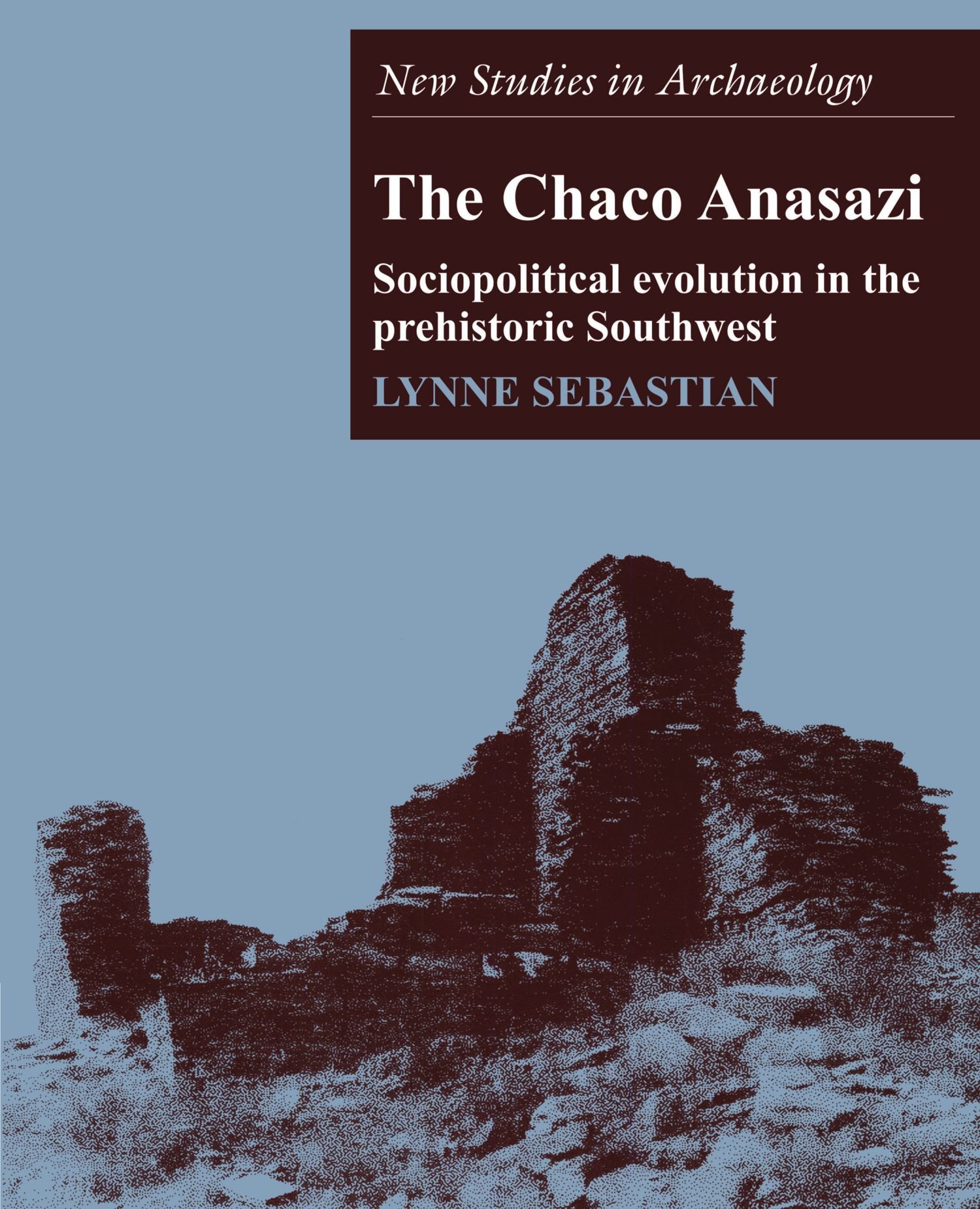
The Chaco Anasazi: Sociopolitical Evolution in the Prehistoric Southwest (New Studies in Archaeology)
$26.00
by Lynne Sebastian



In the tenth century AD, a remarkable cultural development took place in the harsh and forbidding San Juan Basin of northwestern New Mexico. From small-scale, simply organized, prehistoric Pueblo societies, a complex and socially differentiated political system emerged that has become known as the Chaco Phenomenon. This study combines information on political evolution with archaeological data to produce a sociopolitically based model of the rise, florescence, and decline of the Chaco Phenomenon. "By succinctly summarizing much background information and citing major sources for additional data, she has managed to concentrate on an alternative to existing explanations for the growth and nature of the Chacoan cultural system and on analyzing the political processes of small-scale sedentary societies....a major contribution to developing explanatory models." American Antiquity "In an easy-to-read and enjoyable book, especially the last two chapters, Sebastian has created a nontypological starting point for new, wide-ranging cultural-ecological-social-political debates about the nature and process of the Chacoan phenomenon....Geographers who work with prehistoric data will find this book to be, at least, thought provoking and, at best, a paradigm-revising addendum to their worldview of the prehistoric Southwest." The Geographical Review This study examines political evolution and archaeological data, producing a sociopolitical model of the rise, florescence, and decline of the Chaco Phenomenon. Used Book in Good Condition